Non-Skid Marine Paint Selection and Application Guide
Non-skid marine paint adds traction to boat decks, cockpit soles, steps, and high-traffic fiberglass surfaces. This guide helps boat owners compare single-part deck paint, two-part coating systems, water-based non-skid coatings, and texture additives for safer footing and durable deck refinishing.
Types of Non-Skid Boat Deck Paint
The main difference between single-part and two-part non-skid boat paint is cure chemistry and long-term durability. Single-part paints dry as solvents evaporate, while two-part coating systems cure through a chemical reaction that usually creates a harder, more abrasion-resistant surface.
| Paint or Coating Type | Common Examples | Best Use | Key Considerations |
|---|---|---|---|
| Single-part polyurethane | Interlux Interdeck, Pettit EZ-Decks | DIY deck refinishing, cockpit soles, cabin tops, and lower-traffic areas | Simple application and touch-up; may need periodic reapplication depending on use and exposure. |
| Two-part polyurethane or epoxy | Awlgrip Griptex with compatible coating systems | Professional applications, commercial vessels, and high-traffic decks | Strong chemical and abrasion resistance; requires accurate mixing and careful application. |
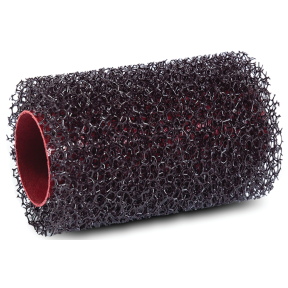
| Water-based non-skid coating | KiwiGrip | Low-odor deck coating projects where adjustable texture is preferred | Texture can be adjusted with specialized rollers; follow product instructions for surface preparation and cure time. |
How to Add Non-Skid Texture to a Boat Deck
Non-skid texture can be added with pre-mixed coatings, broadcast particles, or stir-in additives. The right method depends on the traction level, finish appearance, coating system, and application skill required for the deck area.
| Method | How It Works | Best Use |
|---|---|---|
| Pre-mixed coatings | Ready-to-use paints such as Interlux Interdeck contain traction particles suspended in the coating. | Apply with a compatible roller, such as a textured foam roller, for even texture distribution. |
| Broadcast method | Apply a wet base coat, then shake loose non-skid particles such as Awlgrip Griptex Non-Skid Additive onto the coating. | After the surface dries, remove excess particles and apply a locking topcoat if the system requires one. |
| Stir-in method | Mix non-skid particles directly into the paint before rolling. | Stir often during application so the grit stays suspended and the traction pattern remains consistent. |
Applying Non-Skid Paint Over Existing Gelcoat
Non-skid paint can be applied over existing molded gelcoat when the surface is fully cleaned, de-waxed, and mechanically abraded. Paint and primer need a dull, clean surface to bond correctly to fiberglass gelcoat.
Required Surface Preparation
- Scrub the fiberglass surface with a surface prep cleaner or solvent de-waxer to remove wax, oil, mold-release residue, and contamination.
- Sand glossy gelcoat with 80-grit to 120-grit sandpaper until the full application area has a dull, matte finish.
- Remove sanding dust with a clean wipe-down before applying marine primer, deck paint, or non-skid topcoat.
- Follow the coating manufacturer’s instructions for primer choice, dry time, recoat window, temperature range, and cure time.
How to Choose Non-Skid Marine Paint
| What to Look For | What to Consider |
|---|---|
| Deck traffic | Use tougher coating systems for companionways, cockpit soles, work decks, and other high-wear areas. |
| Application skill | Single-part deck paints are easier for many boat owners, while two-part systems require more preparation and precise mixing. |
| Texture level | Fine texture is easier to clean, while heavier texture can improve footing in wet areas. |
| Surface condition | Old gelcoat, worn paint, cracks, wax, and contamination can affect adhesion and finish quality. |
| Maintenance | Choose a coating system that can be cleaned, touched up, and recoated according to the boat’s normal maintenance schedule. |
Frequently Asked Questions
What is the best non-skid marine paint for a DIY boat deck?
Single-part polyurethane non-skid deck paint is usually the most practical choice for DIY boat deck refinishing. Products such as Interlux Interdeck and Pettit EZ-Decks are easier to apply, easier to touch up, and suitable for many cockpit soles, cabin tops, and fiberglass deck areas.
What is the difference between single-part and two-part non-skid boat paint?
Single-part non-skid boat paint dries through solvent evaporation, while two-part polyurethane or epoxy coatings cure through a chemical reaction. Single-part paint is easier for maintenance projects, while two-part systems usually provide stronger abrasion resistance for high-traffic marine decks.
Can non-skid paint be applied over molded fiberglass gelcoat?
Yes, non-skid paint can be applied over molded fiberglass gelcoat after careful surface preparation. The gelcoat must be de-waxed, cleaned, sanded with 80-grit to 120-grit sandpaper, wiped free of dust, and coated according to the paint manufacturer’s primer and recoat instructions.
How do you make boat deck paint non-skid?
Boat deck paint becomes non-skid through pre-mixed grit, broadcast particles, or stir-in texture additives. Pre-mixed coatings simplify application, broadcast additives allow more control over traction, and stir-in particles help create a consistent grip when the paint is stirred throughout rolling.
Is KiwiGrip different from traditional non-skid deck paint?
KiwiGrip is a water-based non-skid deck coating with adjustable texture controlled by roller technique. Traditional non-skid deck paints often rely on suspended particles or separate additives, while KiwiGrip creates grip through coating thickness, application method, and roller pattern.
How aggressive should non-skid texture be on a boat deck?
Non-skid texture should match the deck location and foot traffic. Cockpit soles, steps, and working decks may need more aggressive grip, while cabin tops and lounging areas often benefit from a finer texture that is easier to clean and more comfortable underfoot.