
Marine Wood Sealers and Protectants
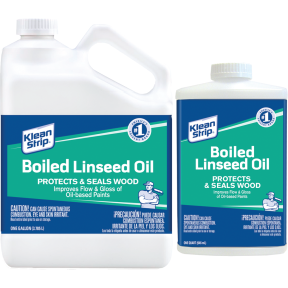
Marine wood sealers protect boat decks, brightwork, trim, and interior joinery from saltwater, moisture, sunlight, and repeated weathering. This category is for boat owners, marine technicians, repair yards, and woodworkers selecting clear sealers, marine wood stains, teak protectants, or penetrating epoxy systems.
How Marine Wood Sealers Protect Boat Wood
Saltwater, ultraviolet radiation, humidity, and wet-dry cycles can cause graying, swelling, checking, fiber loss, and decay. A marine-grade wood sealer limits water absorption, stabilizes the surface, and prepares the substrate for compatible clear, stained, varnished, or painted topcoats.
| Protective Feature | Wood Benefit |
|---|---|
| Moisture Resistance | Limits water entry that contributes to swelling, checking, and rot when applied to dry wood (under 15% moisture). |
| UV Protection | Compatible topcoats with UV absorbers slow lignin degradation, discoloration, and surface erosion. |
| Surface Stabilization | Penetrating products bind porous or weathered fibers before subsequent coats. |
| Finish Consistency | Wood-sealing primers reduce uneven absorption and support a more uniform topcoat. |
| Mold and Mildew Control | Reduced moisture uptake, cleaning, and ventilation help limit conditions that support biological growth. |
Types of Marine Wood Sealers and Protectants
| Product type | Primary use | Selection consideration |
|---|---|---|
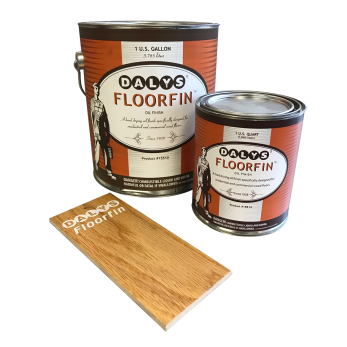
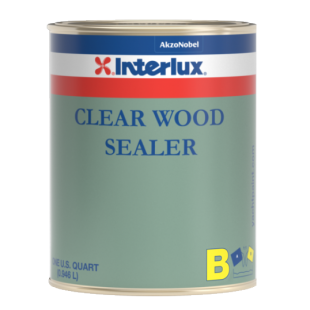
| Clear marine wood sealers | Preserve visible grain and create a base for clear varnish systems. | Confirm chemical compatibility with planned topcoats; single-component sealers cannot accept 2-part polyurethane topcoats. |
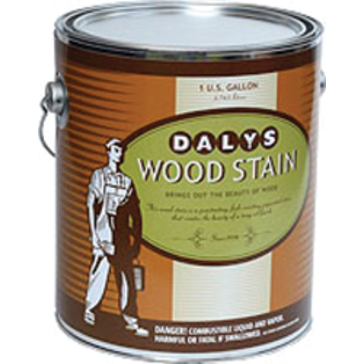
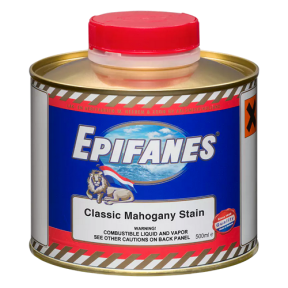
| Marine wood stains | Add or restore color before a compatible protective finish is applied. | Test color on a small area because wood species and preparation affect appearance. |
| Boat wood sealers | Support marine construction, maintenance, refinishing, and repair. | Balance penetration, adhesion, hardness, and flexibility for the application. |
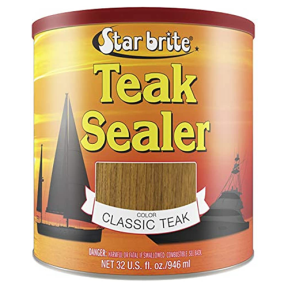
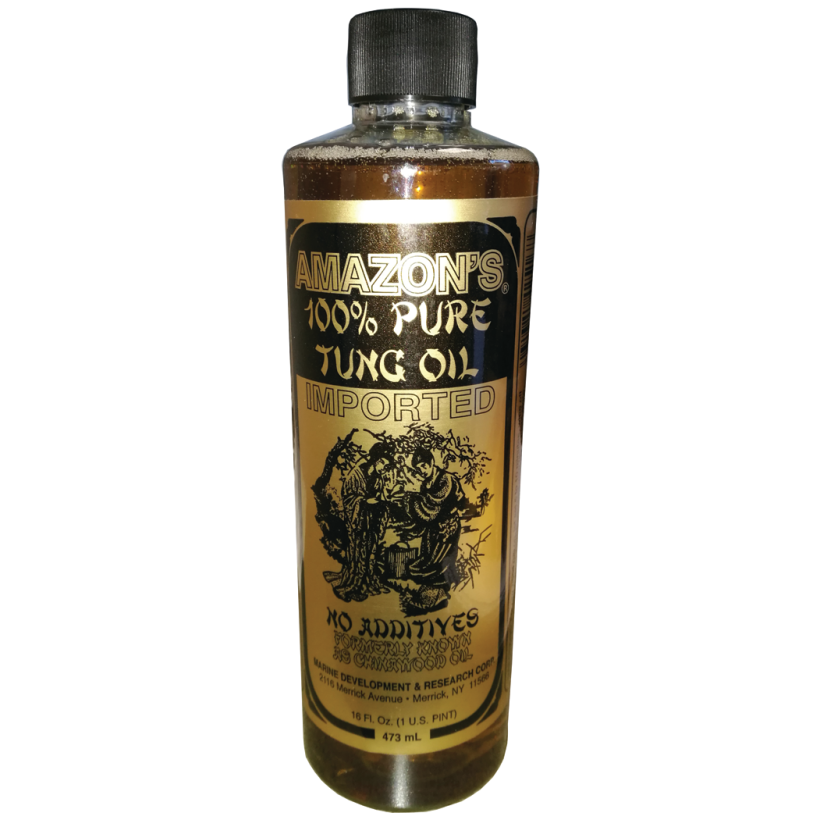
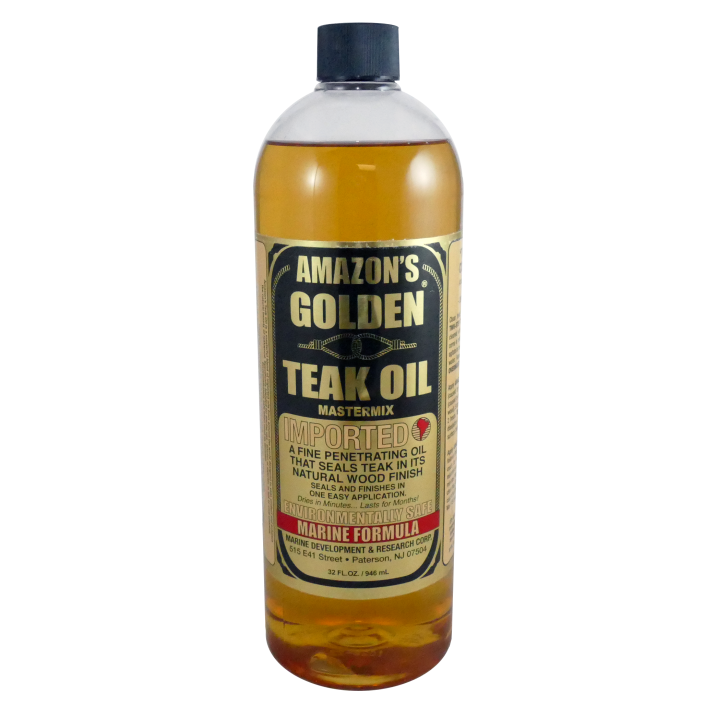
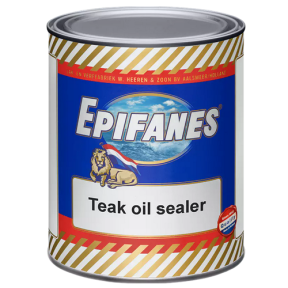
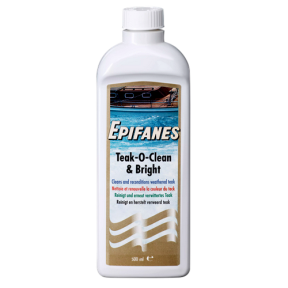
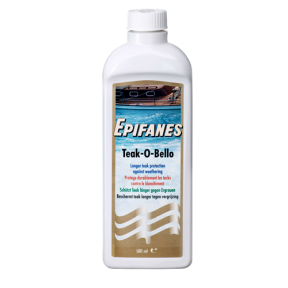
| Teak protectants | Protect high-oil teak used on decks, rails, furniture, and exterior trim. | Use a system intended for teak and follow solvent wipe-down and cleaning requirements. |
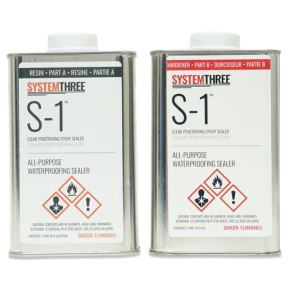
| Penetrating epoxy sealers | Consolidate porous or weathered wood before clear or painted topcoats. | Verify full cure requirements and compatibility with primers, paints, 1-part alkyds, and 2-part varnishes. |
| Brand and Product Type | Features and Applications |
|---|---|
| Epifanes Wood Finishes | Clear marine finishes and varnishes formulated for visible wood grain, gloss retention, and UV-resistant coating systems. |
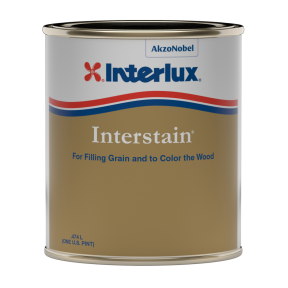
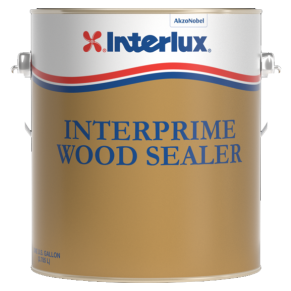
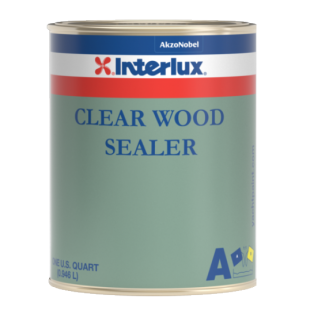
| Interlux Wood Sealers | Wood-sealing primers that fill grain, reduce uneven absorption, and prepare bare wood for compatible marine topcoats. |
| Smith’s Epoxy Penetrating Sealers | Penetrating epoxy products designed to enter porous fibers, consolidate weathered wood, and improve moisture resistance. |
How to Choose a Marine Wood Sealer
- Identify the location: Exterior decks and trim face greater sunlight and water exposure than interior joinery.
- Assess the wood: Sound wood may accept a clear sealer, while soft or weathered fibers may need penetrating epoxy treatment. Ensure moisture levels are under 15% before coating.
- Confirm the wood species: Teak and other oily woods require dedicated preparation, solvent wipe-down (acetone or MEK), and compatible protectants.
- Select the finish: Decide whether the project requires visible grain, added color, varnish, or marine paint.
- Check system compatibility: Review the manufacturer’s instructions before combining sealers, stains, primers, varnishes, or paints—never apply 2-part polyurethanes over 1-part alkyd sealers.
- Plan maintenance: Inspect adhesion, gloss, color, and exposed edges before damage reaches bare wood.
Browse the complete inventory of marine wood sealers and finishes at Fisheries Supply for recreational boat maintenance, commercial vessel work, restoration, and new boat build.
Marine Wood Sealer Frequently Asked Questions
What type of marine wood sealer should I use on a boat?
Choose a marine wood sealer based on the wood species, surface condition, moisture content, exposure, and planned finish. Clear sealers suit sound wood beneath varnish, teak protectants suit oily teak, and penetrating epoxy sealers can stabilize porous or weathered fibers before a compatible paint or clear-coat system. Ensure the chemistry of your sealer is compatible with your topcoat (e.g., 1-part vs. 2-part systems).
How often should marine wood sealer be reapplied?
Exposed marine wood commonly needs inspection and maintenance every one to two years, but the correct interval depends on sunlight, saltwater exposure, abrasion, climate, and product instructions. Recoat when gloss fades, water resistance declines, or small defects appear, before the coating exposes bare wood.
Can marine wood sealer be used on teak decks and trim?
Yes, but teak should receive a protectant or coating system formulated for its naturally oily surface. Clean the wood and wipe bare teak with a solvent like acetone immediately before sealing to strip surface oils, then confirm whether the intended finish is suitable for decks, rails, furniture, or decorative trim before application.
Does marine wood sealer protect wood from UV damage?
A sealer alone may provide limited ultraviolet protection, so exterior brightwork often needs a compatible varnish or topcoat containing UV absorbers. The complete coating system slows lignin breakdown, graying, and fiber erosion. Full-sun surfaces require more frequent inspection than shaded or interior wood.
Can I apply marine varnish over a penetrating epoxy sealer?
Marine varnish may be applied over penetrating epoxy sealers when both manufacturers approve the system. The epoxy must cure fully and receive proper cleaning (to remove any amine blush/solvents) and sanding. Both 1-part alkyd varnishes and 2-part polyurethanes can generally coat cured penetrating epoxy, provided surface prep and UV protection requirements are met.
What preparation is required before applying boat wood sealer?
Start with dry wood (moisture content under 15%) free from loose coatings, wax, oil, mildew, and sanding residue. Repair damaged fibers, sand to the product’s specified profile, and remove dust. For oily hardwoods like teak, wipe the surface with acetone before sealing. Always verify that your sealer and topcoat chemistries are compatible before finishing.