Boat Trailer Hitch Components for Safe, Level Towing
Boat trailer hitch components connect a boat trailer to a tow vehicle and support stable, lawful towing. This guide helps boat owners select compatible trailer balls, ball mounts, couplers, and safety chains by size, weight rating, receiver fit, and towing application.
Boat Trailer Hitch Buying Guide at a Glance
Boat Trailer Hitch Component Comparison
| Component | Function | Key Selection Factors |
|---|---|---|
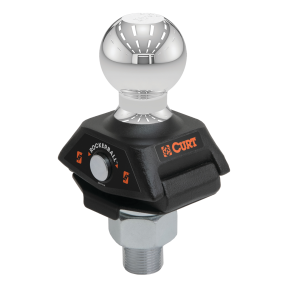
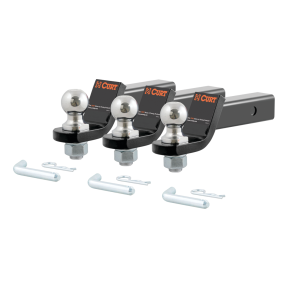
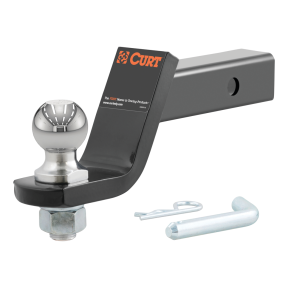
| Trailer ball | Provides the pivoting connection between the tow vehicle and trailer coupler. | Ball diameter, shank diameter, Gross Trailer Weight rating, and ball mount fit. |
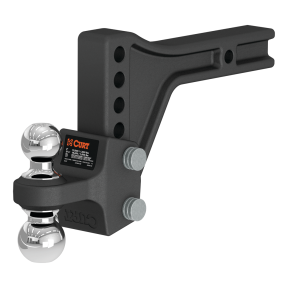
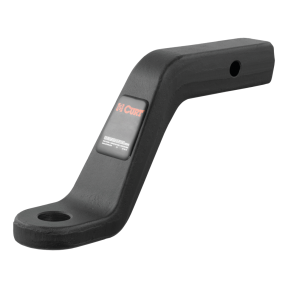
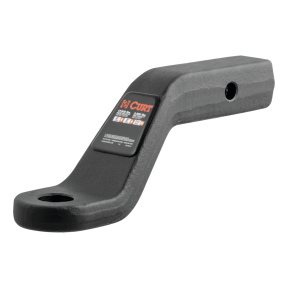
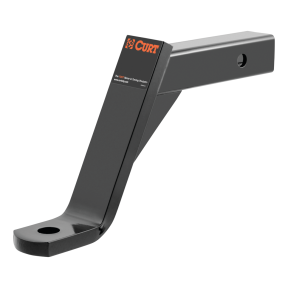
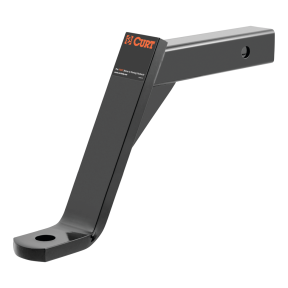
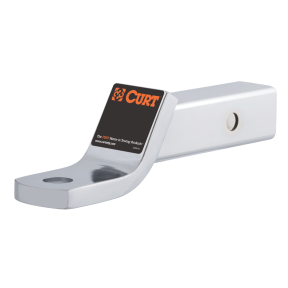
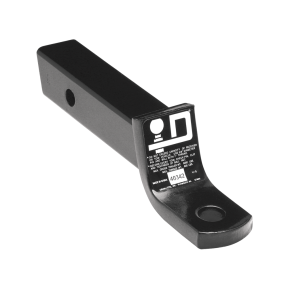
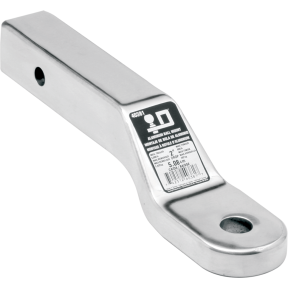
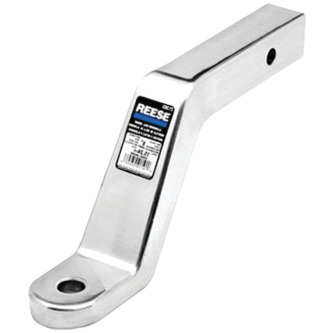
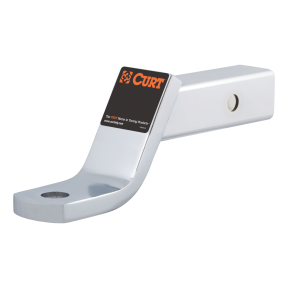
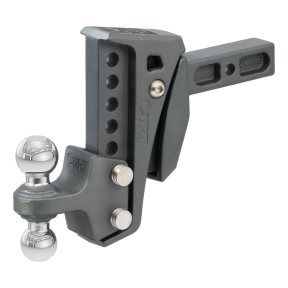
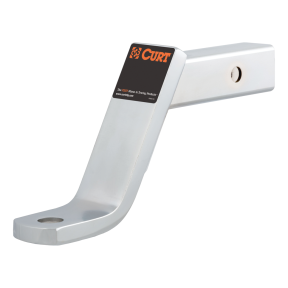
| Ball mount | Connects the trailer ball to the receiver and positions the trailer at a level towing height. | Receiver size, drop or rise, pin fit, Gross Trailer Weight, and Tongue Weight rating. |
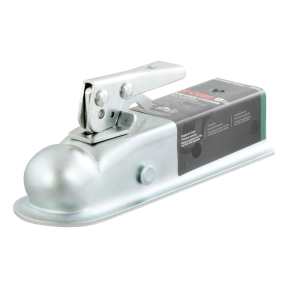
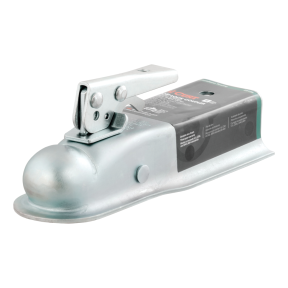
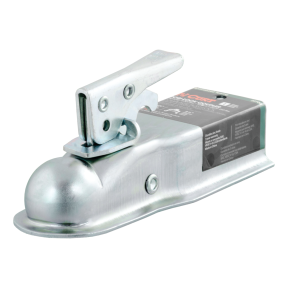
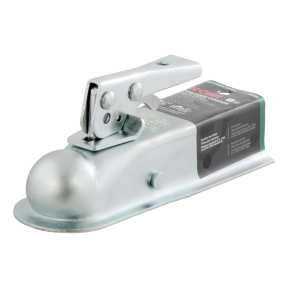
| Trailer coupler | Fits over the trailer ball and locks the trailer tongue to the tow vehicle. | Ball size, tongue design, latch operation, mounting method, and weight rating. |
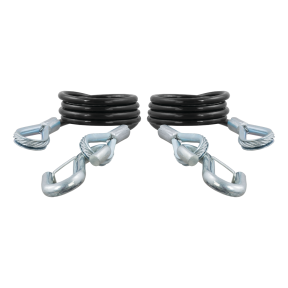
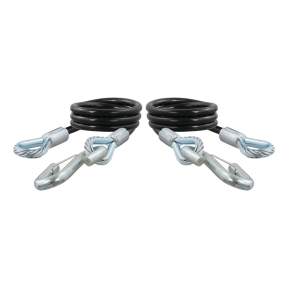
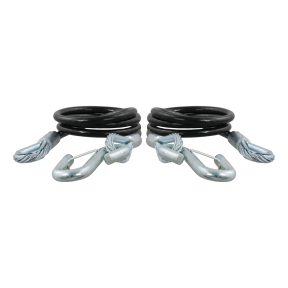
| Safety chains | Provide a backup connection if the primary coupler connection separates. | Working load limit, chain length, attachment points, and latching hooks. |
Trailer Balls, Ball Mounts, and Coupler Types
| Category | Type | Function and Selection Criteria | Common Application |
|---|---|---|---|
| Trailer ball | 1-7/8 inch, 2 inch, or 2-5/16 inch | Match the diameter stamped on the boat trailer coupler. Confirm that the ball shank fits the ball mount hole and that the weight rating meets or exceeds the trailer's Gross Trailer Weight. | Creates the pivoting connection between the tow vehicle and boat trailer. |
| Ball mount | Fixed | Select the correct receiver size, hitch pin, capacity, and fixed drop or rise. | Supports the trailer ball when one towing-height position keeps the loaded trailer level. |
| Ball mount | Adjustable | Select the correct receiver size, hitch pin, capacity, and adjustable drop or rise range. | Accommodates trailers with different coupler heights or changing towing configurations. |
| Trailer coupler | A-frame coupler | Mounts where two trailer-frame rails meet at the tongue. | Common on utility trailers and many boat trailers. |
| Trailer coupler | Straight-tongue coupler | Attaches to a single rectangular or channel-style trailer tongue. | Frequently used on smaller boat trailers. |
| Trailer coupler | Gooseneck coupler | Connects to a compatible hitch mounted inside a pickup bed. | Used for heavier towing applications and less common on small recreational boat trailers. |
How to Choose Compatible Boat Trailer Hitch Parts
- Read the trailer VIN or identification plate to confirm Gross Trailer Weight and Tongue Weight requirements.
- Match the trailer ball diameter exactly to the size stamped on the coupler.
- Confirm that the ball, ball mount, coupler, receiver, and safety chains have suitable weight ratings.
- Measure the tow vehicle receiver and level trailer coupler to calculate the required drop or rise.
- Verify the receiver opening, ball shank, hitch pin, and clip dimensions before purchase.
- Choose safety chains with closing hooks and enough length for turns without road contact.
- Check that lighting and brake wiring reaches the vehicle connector without dragging, binding, or stretching.
Boat Trailer Hitch Maintenance and Safety Checks
- Coupler latch: Clean and lubricate the mechanism, then confirm that it closes fully around the trailer ball.
- Trailer ball and mount: Check for looseness, corrosion, cracks, damaged threads, and missing hitch-pin clips.
- Safety chains: Inspect links, hooks, latches, and tow-vehicle attachment points for wear or deformation.
- Electrical connector: Keep the plug clear of the road and test the lights before towing.
- Wheel bearings: Inspect and grease them according to the trailer manufacturer's service schedule, especially after water immersion.
- Tires and brakes: Check tire pressure, cracking, sidewall damage, tread condition, brake operation, and corrosion.
Consult the trailer manufacturer's instructions and applicable towing regulations before selecting or installing hitch equipment. Additional guidance appears in the towing safety sources.
Frequently Asked Questions
What size trailer ball do I need for my boat trailer?
Use the trailer ball size stamped on the boat trailer coupler. Common sizes are 1-7/8 inch, 2 inch, and 2-5/16 inch. The ball diameter must match exactly, while the ball's shank and Gross Trailer Weight rating must also fit the ball mount and loaded trailer.
How do I calculate ball mount drop or rise?
Measure from the ground to the top of the tow vehicle receiver opening, then measure from the ground to the bottom of the level trailer coupler. The difference determines the required drop or rise. Take both measurements on level ground with the trailer prepared for normal towing.
Which coupler type fits a boat trailer?
Straight-tongue and A-frame couplers fit most recreational boat trailers. The correct choice depends on the trailer tongue design, ball diameter, mounting pattern, and Gross Trailer Weight rating. Gooseneck couplers are intended for heavier pickup-bed towing and are uncommon on smaller boat trailers.
How should safety chains be attached to a boat trailer?
Cross the safety chains beneath the trailer tongue and connect them to rated attachment points on the tow vehicle. The crossed chains can support the tongue if the coupler separates. Leave enough slack for full turns, but prevent the chains from dragging on the road.
Does every hitch component need the same weight rating?
Every component must have a rating suitable for the loaded trailer, but the printed ratings do not need to be identical. The lowest-rated part limits the towing system's capacity. Check the receiver, ball mount, trailer ball, coupler, safety chains, Gross Trailer Weight, and Tongue Weight limits.
What should I inspect before towing a boat trailer?
Inspect the coupler latch, trailer ball, ball mount, hitch pin, safety chains, electrical plug, tires, wheel bearings, lights, and brakes. Confirm that fasteners are tight, hooks are closed, wiring is clear of the road, and the coupler is locked before moving the tow vehicle.