Electric Boat Heaters for Cold-Weather Marine Comfort
Electric boat heaters provide localized warmth for recreational and commercial vessels without onboard combustion. Marine-rated models serve cabins, salons, heads, berths, and other enclosed spaces where boat owners need controlled heat and moisture management.
Why Choose Electric Heaters for Boats?
Marine electric heaters deliver targeted warmth without a fuel-burning appliance in the occupied space. Available configurations can support small runabouts, cruising sailboats, commercial vessels, and liveaboard yachts when the heater capacity, electrical supply, and installation location are compatible.
| Feature | Benefit |
|---|---|
| Localized comfort | Directional airflow warms occupied cabins, salons, berths, heads, and crew spaces. |
| Moisture management | Gentle heat helps limit condensation on interior surfaces when air can circulate. |
| Compact installation | Toe-kick, bulkhead, and cabinet-mounted designs fit spaces where floor area is limited. |
| Temperature control | Thermostats and heat selectors support more precise operation. |
| Marine construction | Selected heaters use stainless steel or other corrosion-resistant components for humid environments. |
Electric Boat Heater Types and Applications
| Heater Type or Application | Description | Main Considerations |
|---|---|---|
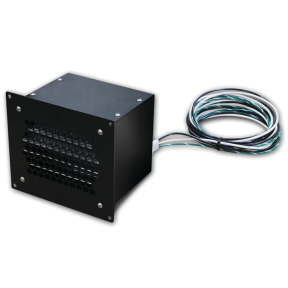
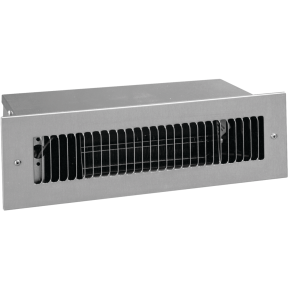
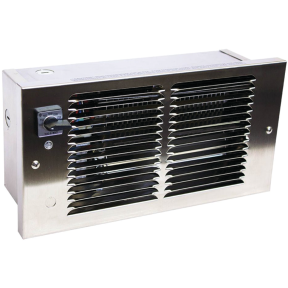
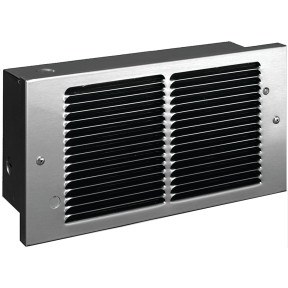
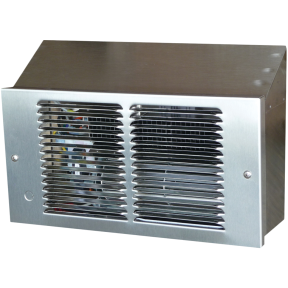
| Toe-Kick and Bulkhead Heaters | Compact forced-air heating for cabins, salons, galleys, heads, and crew areas. | Installation location affects airflow, service access, electrical routing, and the amount of usable warmth delivered to the occupied space. |
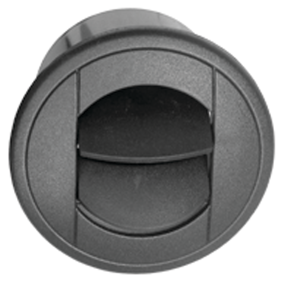
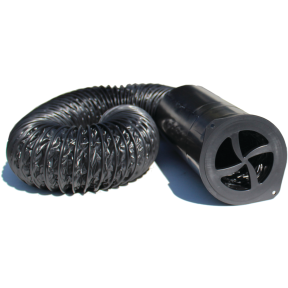
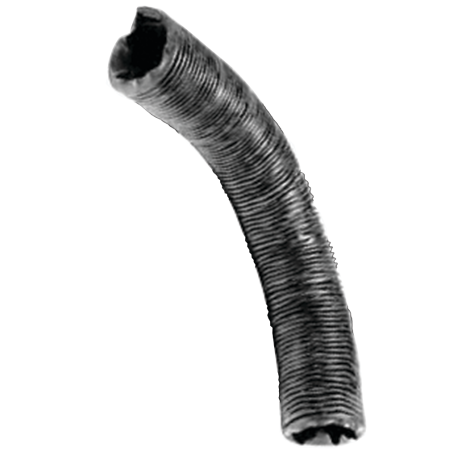
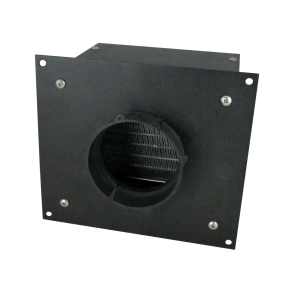
| Ducted Marine Heating Components | Vents, ducting, faceplates, and heat selectors distribute warm air through a vessel. | Duct diameter, routing, bends, outlet placement, and fan capacity influence airflow and operating noise. |
| Low-Heat Moisture Control | Low, continuous heat may help deter mold and mildew by reducing condensation in enclosed areas. | Heat does not remove moisture by itself, so ventilation, leak correction, drainage, and periodic drying remain important parts of onboard humidity control. |
Shop Marine Electric Heater Brands
Fisheries Supply carries marine heating products and accessories from established manufacturers:
- Heater Craft: Marine heating equipment, tubes, vents, and related airflow components for onboard installations.
- King Electrical: Marine electric heaters with stainless-steel construction available for high-humidity environments.
Compare heater configuration, installation location, electrical requirements, controls, construction materials, and compatible accessories before selecting a model.
Electric Boat Heater Accessories and Installation
Heating controls and airflow components can improve temperature management and distribute warm air to the intended area:
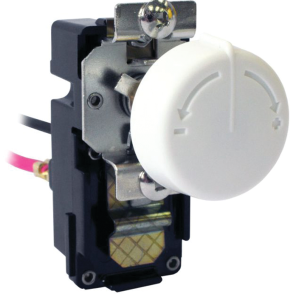
- Thermostats: Regulate heater operation according to the selected temperature.
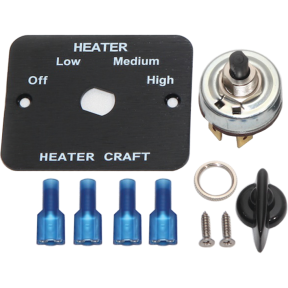
- Heat selectors: Provide control over available heating modes or output settings when supported by the system.
- Duct faceplates: Finish outlet openings and direct airflow into cabins or other occupied spaces.
- Vents and ducting: Carry heated air from the unit to designated outlets.
Before installation, confirm the heater’s electrical rating, circuit capacity, conductor size, overcurrent protection, mounting clearances, airflow requirements, and permitted location. Follow the heater manufacturer’s instructions and applicable ABYC guidance for marine AC or DC electrical systems.
How to Choose an Electric Boat Heater
| Step | Selection Factor | What to Consider |
|---|---|---|
| 1 | Identify the heating area | Determine whether the heater will serve a cabin, salon, head, berth, crew space, locker, or machinery area. |
| 2 | Confirm the power source | Match the heater to the vessel’s available AC or DC system and circuit capacity. |
| 3 | Review installation space | Measure the mounting area and check clearance, ventilation, service access, and airflow requirements. |
| 4 | Select the configuration | Compare toe-kick, bulkhead, cabinet-mounted, and ducted heating arrangements. |
| 5 | Check construction and protection | Review corrosion resistance, overheat protection, controls, and location ratings. |
| 6 | Choose compatible accessories | Match thermostats, faceplates, vents, and ducting to the selected heater system. |
Electric Boat Heater Maintenance
- Vacuum intake grilles and remove dust or obstructions during periods of frequent use.
- Check thermostat operation, fan performance, and safety cut-outs each season.
- Inspect wiring, terminals, breakers, and mounting hardware for corrosion, looseness, or heat discoloration.
- Examine vents and ducting for crushed sections, disconnected joints, or restricted airflow.
- Address water leaks and use ventilation or periodic drying to support onboard moisture control.
Frequently Asked Questions
How do I choose the right electric heater for my boat cabin?
Choose an electric boat heater by matching its electrical requirements, mounting design, airflow, and intended space to the vessel. Measure the installation area, verify the available AC or DC circuit, review required clearances, and select a marine-rated model approved for a cabin, salon, head, or other planned location.
Can I use a household space heater on a boat?
A household space heater is generally not suitable for marine use. Household units may not account for vessel vibration, humidity, corrosion exposure, mounting needs, or marine electrical systems. Select a marine-rated electric heater and follow its installation instructions together with applicable ABYC electrical guidance.
Will an electric boat heater prevent mold and mildew?
An electric boat heater can help limit mold and mildew by reducing condensation, but heat alone does not remove moisture or spores. Combine low, steady heat with ventilation, leak correction, drainage, and periodic drying. Keep enclosed lockers, cabins, and berths ventilated so humid air does not remain trapped.
Where should an electric heater be installed on a boat?
Install an electric boat heater in a location approved by its manufacturer, with adequate clearance, airflow, service access, and circuit protection. Common locations include toe-kick spaces, bulkheads, and cabinetry in cabins or salons. Machinery spaces and lockers require models specifically rated for those applications.
What electrical checks are needed before installing a marine heater?
Confirm the heater voltage, current demand, circuit capacity, conductor size, overcurrent protection, and power-source rating before installation. Inspect the shore-power or inverter system where applicable, use marine-grade wiring and secure terminals, and follow the manufacturer’s instructions plus relevant ABYC guidance for AC or DC systems.
What is the difference between Heater Craft and King Electrical marine heaters?
Heater Craft offers marine heating equipment and related airflow components, including tubes and vents. King Electrical offers marine electric heaters with stainless-steel construction available for humid onboard spaces. Compare each product’s electrical rating, mounting format, controls, construction, and compatible accessories for the intended vessel installation.