


Stay Warm and Comfortable: Explore Marine Hydronic Heaters at Fisheries Supply
Enjoy quiet, even heat and drier cabins with a properly sized hydronic system. This page explains how it works, what to buy, and how to keep it running.
Key Takeaways
- Deliver even, zoned heat; reduce interior moisture.
- Size by boat volume, insulation, and climate.
- Plan for pumps, fan coils, defrost, and expansion.
- Follow maker manuals for safe install and service.
- Shop in-stock heaters, cores, pumps, and parts.
What Is a Marine Hydronic Heating System?
A hydronic system uses a compact diesel-fired boiler (coolant) and a circulation pump to deliver hot fluid to fan coils or radiators located throughout the boat. Warm air from those units heats each cabin and helps remove moisture from the air for a drier interior.
Compared to forced-air heating, hydronic systems emphasize quiet operation and room-by-room zoning, with installation typically involving plumbing, electrical, and exhaust integration.
Benefits of Marine Hydronic Heating
- Even distribution: fan coils/radiators eliminate cold spots and drafts.
- Energy efficiency: diesel boilers modulate output to match demand.
- Moisture reduction: steady heat helps limit condensation and mildew.
- Zoned comfort: thermostats and valves manage heat by cabin.
Core Components & Specifications
- Boiler (Heater): Webasto and Eberspächer (Espar) produce marine-appropriate diesel boilers with BTU outputs to match small cruisers through expedition yachts. See installation and operation guidance in manufacturer manuals.
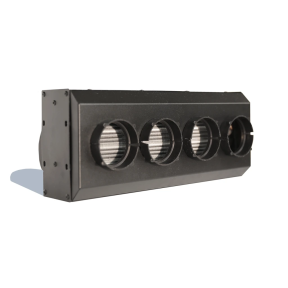
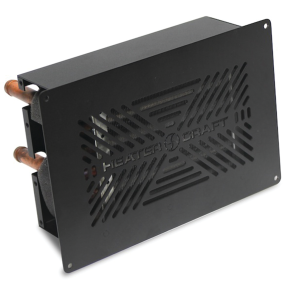
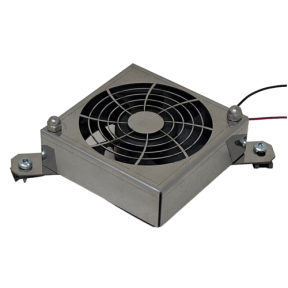
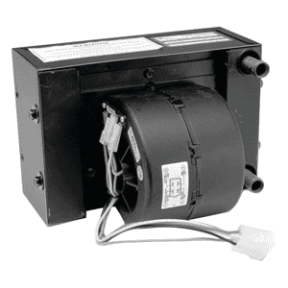
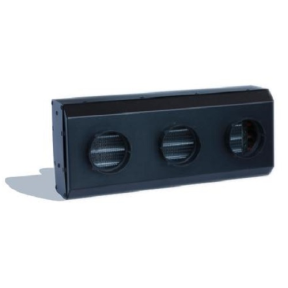
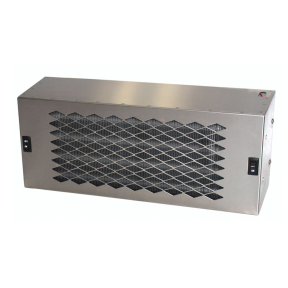
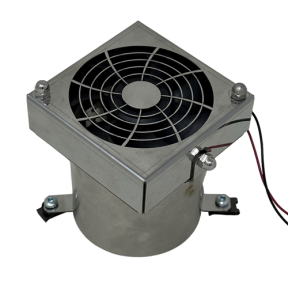
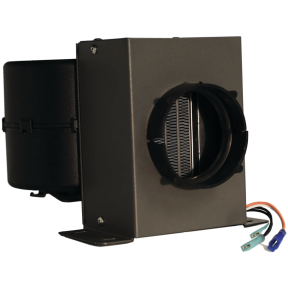
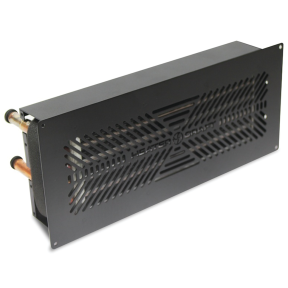
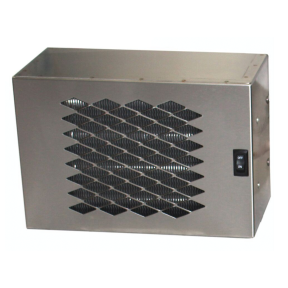
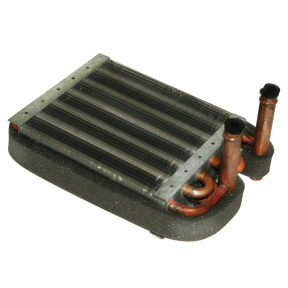
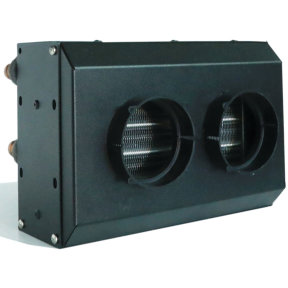
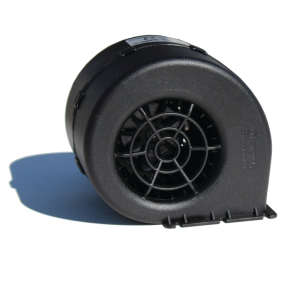
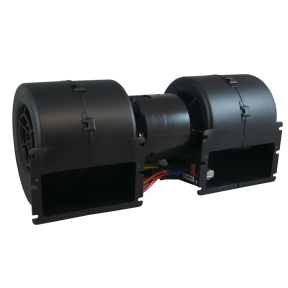
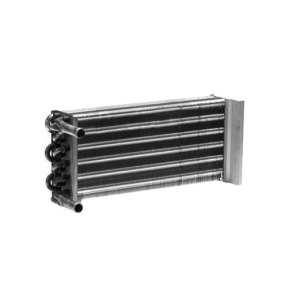
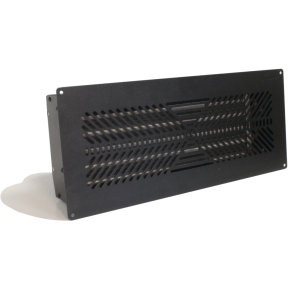
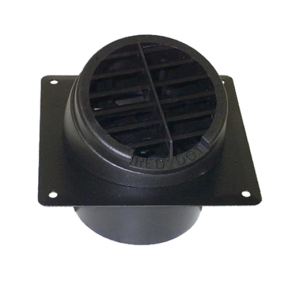
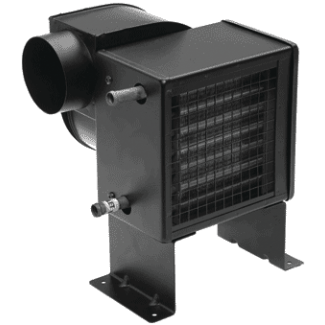
- Heat Distribution: Use fan coils for fast air heating and defrost, and radiators for silent, passive heat. Include defroster outlets at the helm as needed for visibility.
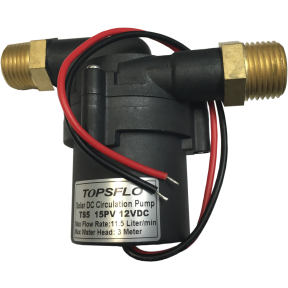
- Pumps & Plumbing: Specify circulation pumps for loop length and elevation; include an expansion tank, air bleed points, and isolation valves at each coil for serviceability. Follow the boiler maker’s minimum flow and hose ID guidelines.
- Controls & Power: Thermostats or digital controllers manage zones. Plan for DC start/ignition loads and continuous pump draw in your energy budget.
Sizing: Match Output to boat & Climate
Right-size the system by estimating total heat loss (boat volume, insulation, window area, air changes, desired cabin temperatures). Practical selection typically starts with manufacturer BTU/h charts and adjustments for defroster loads and long loops. When in doubt, consult a qualified marine technician experienced with hydronic systems.
Remember that forced air may be simpler to install but offers less granular zoning and can require larger ducts; hydronic installation is more complex but can be quieter and more comfortable.
Safety, Standards, and References
For safe outcomes, follow the heater manufacturer’s marine manuals for fuel, exhaust, and combustion air routing. Industry bodies publish helpful guidance for builders and technicians:
- ABYC develops consensus standards used across the marine industry.
- U.S. Coast Guard provides guidance documents and certain regulatory references for boat systems and appliances.
- Manufacturers offer detailed installation and service manuals for hydronic heaters.
This page provides general information only; it does not imply compliance or certification. Always verify requirements applicable to your boat and flag state.
Shop Hydronic Heaters, Coils, Pumps & Accessories
At Fisheries Supply, we carry a broad hydronic heaters from trusted brands:
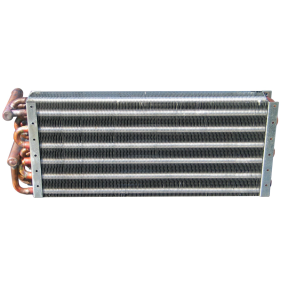
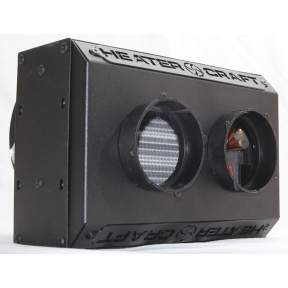
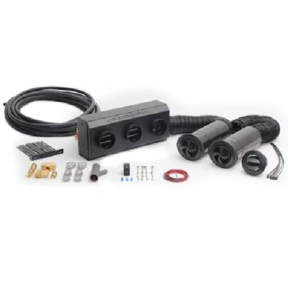
- Heater Craft — fan coils, cores, complete kits.
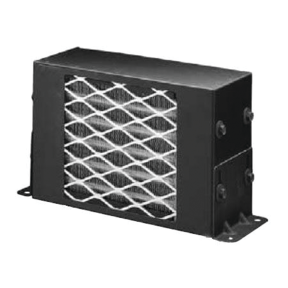
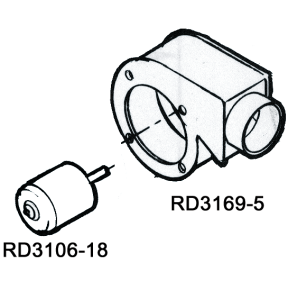
- Red Dot — auxiliary cabin/defrost heaters and parts.
- Dickinson Marine — hydronic radiators, pumps, and accessories.
Be proactive—stock spare fuses, filters, hose, clamps, and bleed valves before the cold sets in.
Frequently Asked Questions
What are the practical benefits of a hydronic heater on a cruising boat?
Hydronic heat delivers quiet, even warmth with zone control and helpful windshield defrost. A steady cabin temperature also helps limit condensation and mildew.
How do I choose the right size for my boat?
Start with the boiler’s BTU/h rating versus your boat’s heat loss. Factor in the number of cabins, desired setpoints, and defroster coils. When unsure, consult a marine technician or the heater manufacturer’s selection guidance.
What maintenance should I expect each season?
Check coolant level and mix, inspect for leaks, bleed air, clean strainers and fan-coil fins, and service fuel/exhaust components per the manufacturer intervals.
Are there standards or regulations I should know about?
ABYC publishes widely used industry standards, and the U.S. Coast Guard provides guidance and certain regulations. This page does not certify compliance—always consult current documents and your surveyor/technician.