Marine Propane Heaters for Boat Cabins
Marine propane heaters provide controlled cabin heat for sailboats, powerboats, and other vessels operating in cold conditions. Compare heater output, combustion design, ventilation requirements, installation components, and cabin volume before choosing a propane boat heater.
Marine Propane Heater Key Takeaways
Why Choose a Propane Boat Heater?
Propane boat heaters are commonly selected for compact cabins because they offer adjustable heat output, rapid warming, and operation that does not depend solely on shore power. Correct ventilation, fuel-system installation, and combustion-exhaust routing are central to safe operation.
Features and Practical Benefits- Controllable heat: Adjustable output supports changing cabin temperatures and weather conditions.
- Compact installation: Many marine heater designs fit bulkheads or other limited cabin spaces.
- Independent fuel source: Refillable propane cylinders support heating away from dockside electrical service.
- Condensation management: Vented heat can help limit cabin condensation when paired with adequate airflow.
Marine Cabin Heater Options
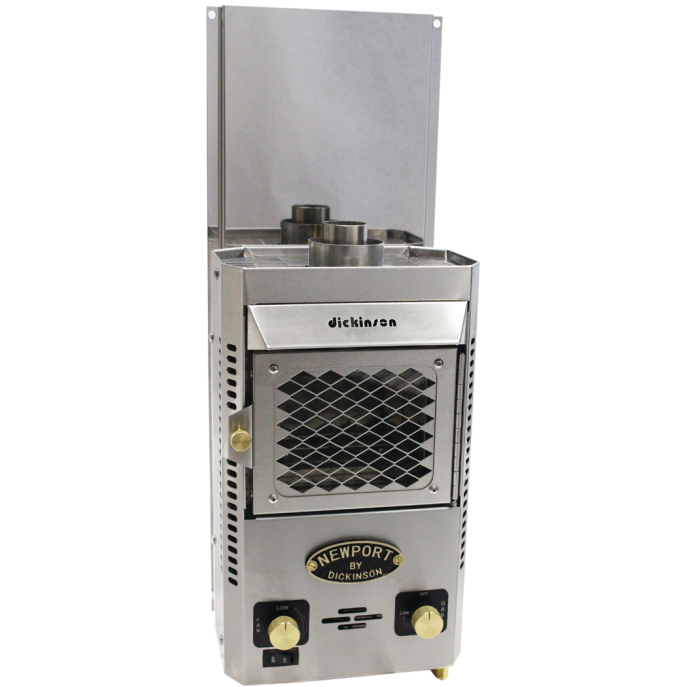
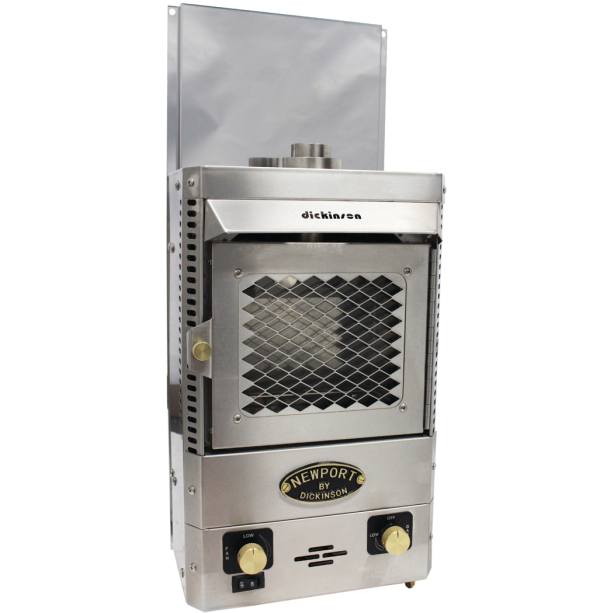
Dickinson Newport Propane FireplaceThe Dickinson Newport Propane Fireplace is a compact radiant propane heater for small boat cabins. Use the venting components, clearances, and installation method specified in the applicable Dickinson Marine manual.
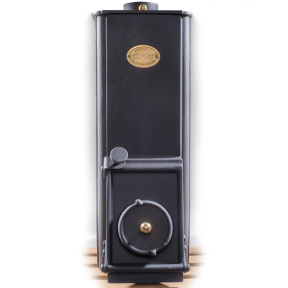
Davey & Co Hot Pot StoveThe Davey & Co Hot Pot Stove is a slim solid-fuel cabin heater rather than a propane heater. It is typically associated with boats up to approximately 30 feet and requires an appropriate flue.
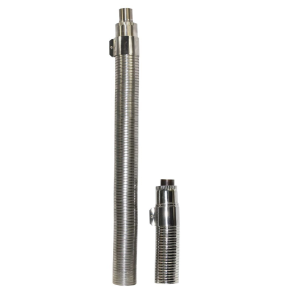
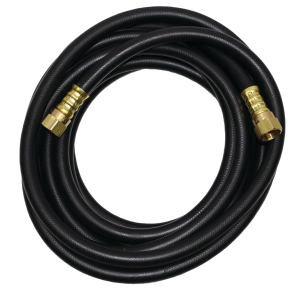
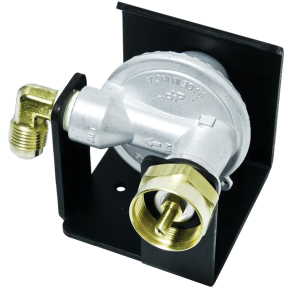
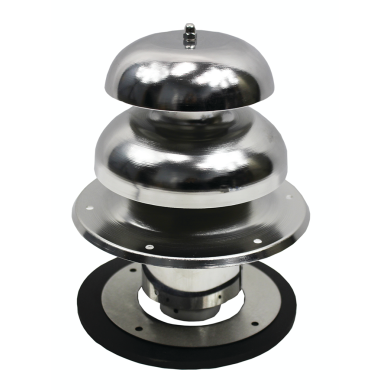
Heater Parts and Alternatives- Marine heater accessories may include regulators, shutoff valves, approved fuel lines, thermostats, heat shields, flue parts, and mounting hardware.
- Portable marine heaters provide another option when a permanently mounted propane heater does not match the vessel or intended use.
Propane Boat Heater Sizing and Selection
Match heater output to the cabin's interior volume and heat loss. A higher BTU rating may be needed for cold climates, limited insulation, large windows, frequently opened hatches, or persistent drafts.
| Selection Factor | What to Evaluate | Source Guidance |
|---|---|---|
| Cabin size | Measure length, width, and height to estimate heated cabin volume. | Small to medium cabins commonly use 5,000~10,000 BTU/h. |
| Heat loss | Review insulation, drafts, glazing, hatches, and outside temperature. | Greater heat loss may require a higher output rating. |
| Fuel supply | Compare cylinder capacity and regulator flow with peak heater demand. | Use marine-rated components approved for the appliance. |
| Ventilation | Follow the heater manufacturer's fresh-air and exhaust requirements. |
Marine Propane Heater Installation
Install the appliance according to its current manual and applicable marine fuel-system requirements. A qualified marine technician should inspect unfamiliar propane systems, pressure-test fuel lines, and confirm combustion-air and exhaust arrangements.
| Installation Area | Requirement |
|---|---|
| Fuel-System Components | Use the specified two-stage regulator and approved propane hose or copper line. |
| Provide accessible shutoff valves at the cylinder locker and appliance. | |
| Pressure-test the system and bubble-check every connection after installation or service. | |
| Ventilation and Carbon Monoxide Protection | Keep combustion-air openings and exhaust flues unobstructed. |
| Install and routinely test a marine carbon monoxide alarm. | |
| Do not operate a heater with a damaged flue, blocked exhaust, or malfunctioning combustion fan. | |
| Maintain the manufacturer's clearance from curtains, cushions, clothing, woodwork, and other combustible materials. |
Operation and Maintenance
| Maintenance Stage | Steps to Take |
|---|---|
| Before the Heating Season | Inspect the regulator, hoses, fittings, burner, flue, and exterior termination. |
| Before Ignition | Confirm that ventilation openings are clear and combustible materials are outside the required clearance area. |
| During Operation | Monitor flame quality, cabin airflow, and the carbon monoxide alarm. |
| During Service | Clean burners and flues according to the appliance manual and replace aged hoses or gaskets. |
| During Storage | Close cylinder valves, cap disconnected lines, and protect components from corrosion and impact. |