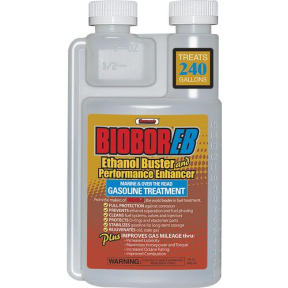
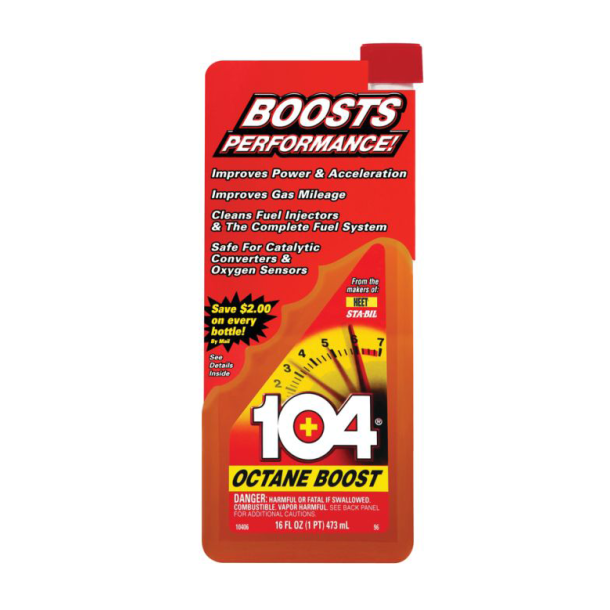
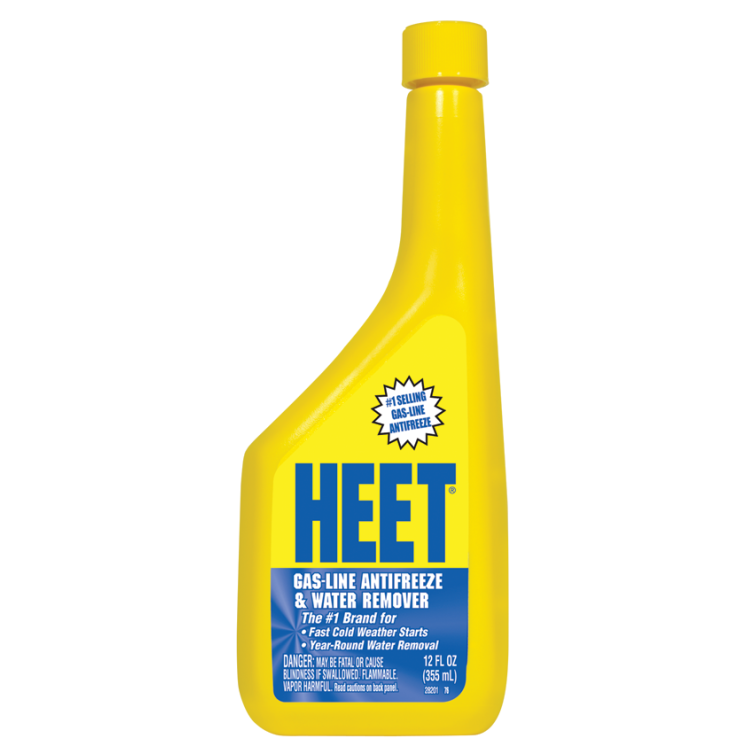
Marine Fuel Additives, Stabilizers & Engine Treatments
Fisheries Supply stocks marine fuel additives, fuel stabilizers, antifreeze, and engine treatments that help protect gasoline and diesel boat engines from moisture, corrosion, fuel breakdown, and storage problems.
What to Know
- Marine fuel additives help manage moisture, oxidation, corrosion, carbon buildup, and ethanol-related fuel issues.
- Fuel stabilizers for boats are especially important before winterization, seasonal storage, or long periods between trips.
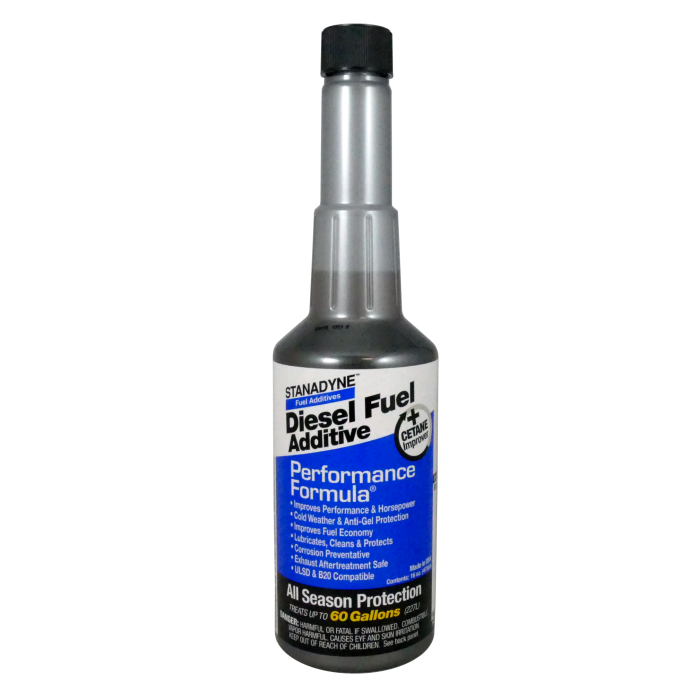
- Marine diesel fuel additives can support cetane performance, lubrication, injector cleanliness, and microbial control.
- The right treatment depends on fuel type, engine style, storage time, and whether you are preventing problems or correcting symptoms.
Marine Fuel Additives for Reliable Engine Performance
Boat fuel systems face harsher conditions than automotive systems. Moisture, salt air, ethanol-blended gasoline, temperature swings, and storage can lead to stale fuel, corrosion, gum, varnish, clogged filters, poor starts, rough idle, and reduced performance. A quality marine fuel additive helps protect the fuel system while keeping your engine ready for the next trip.
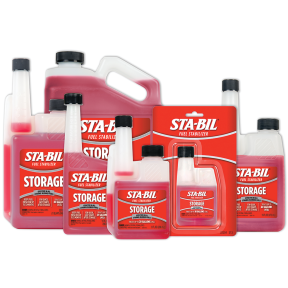
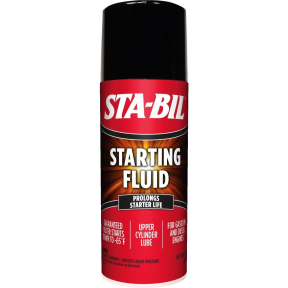
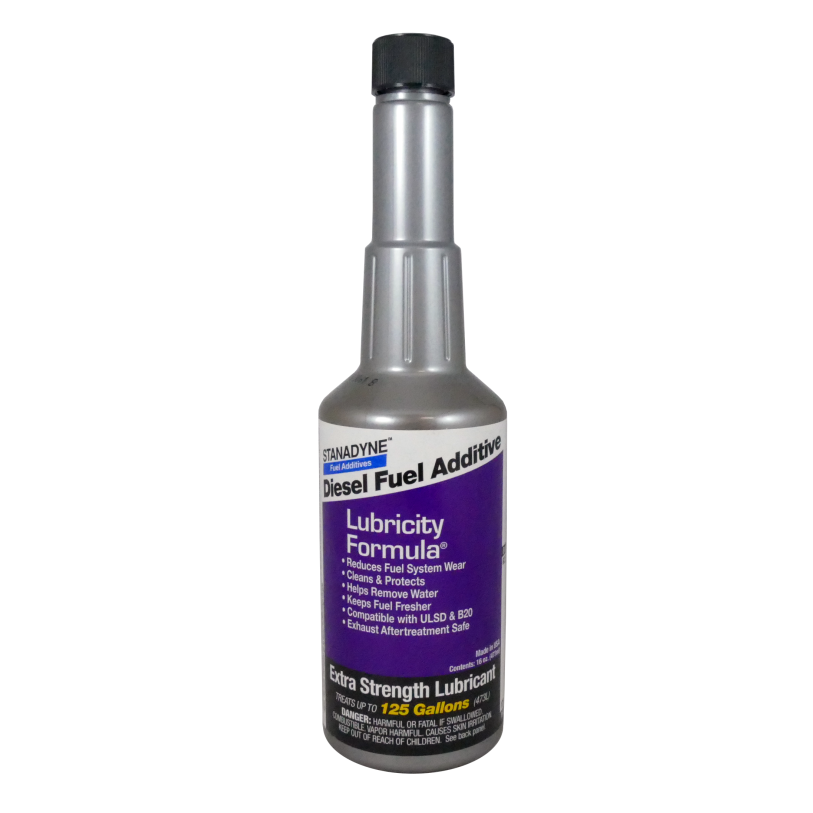
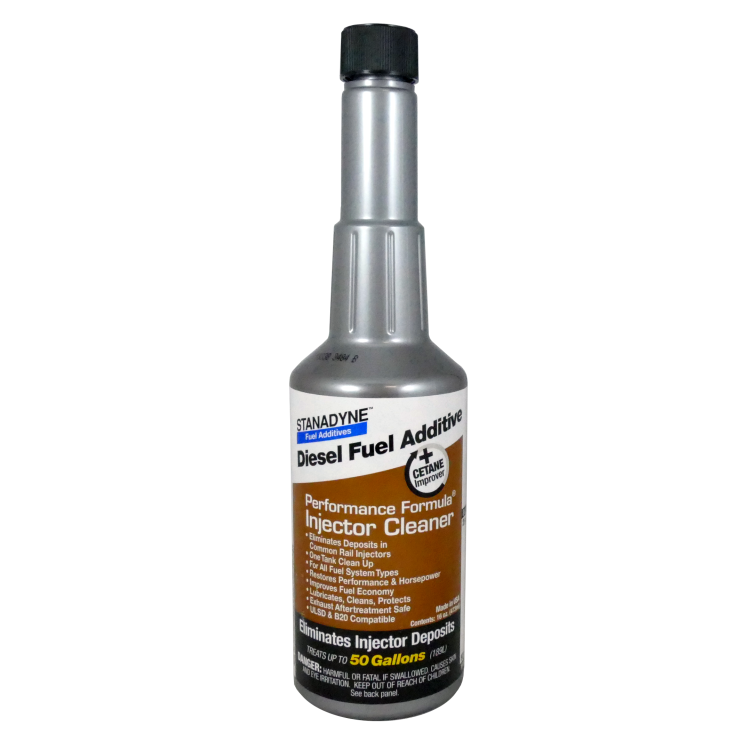
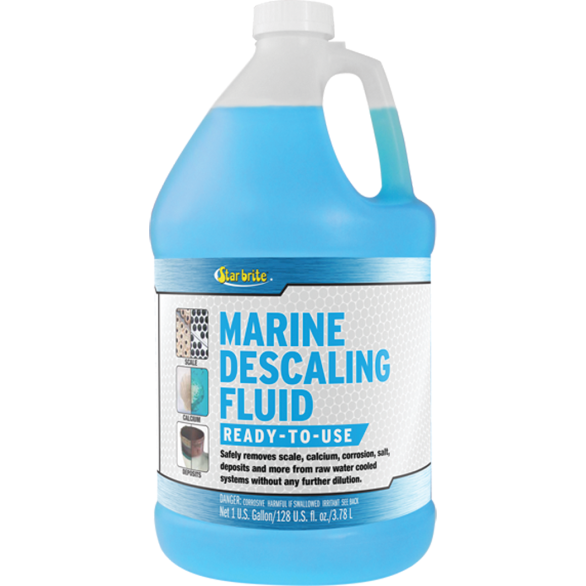
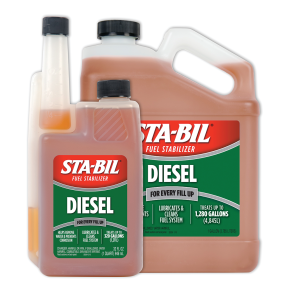
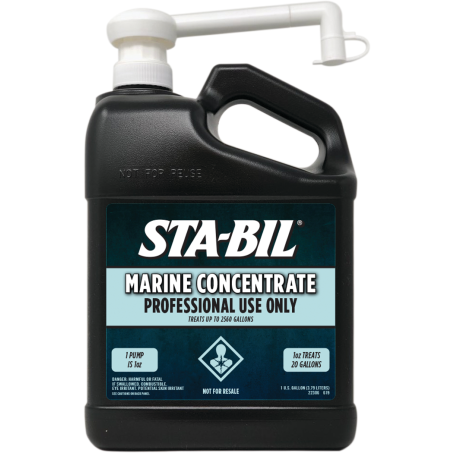
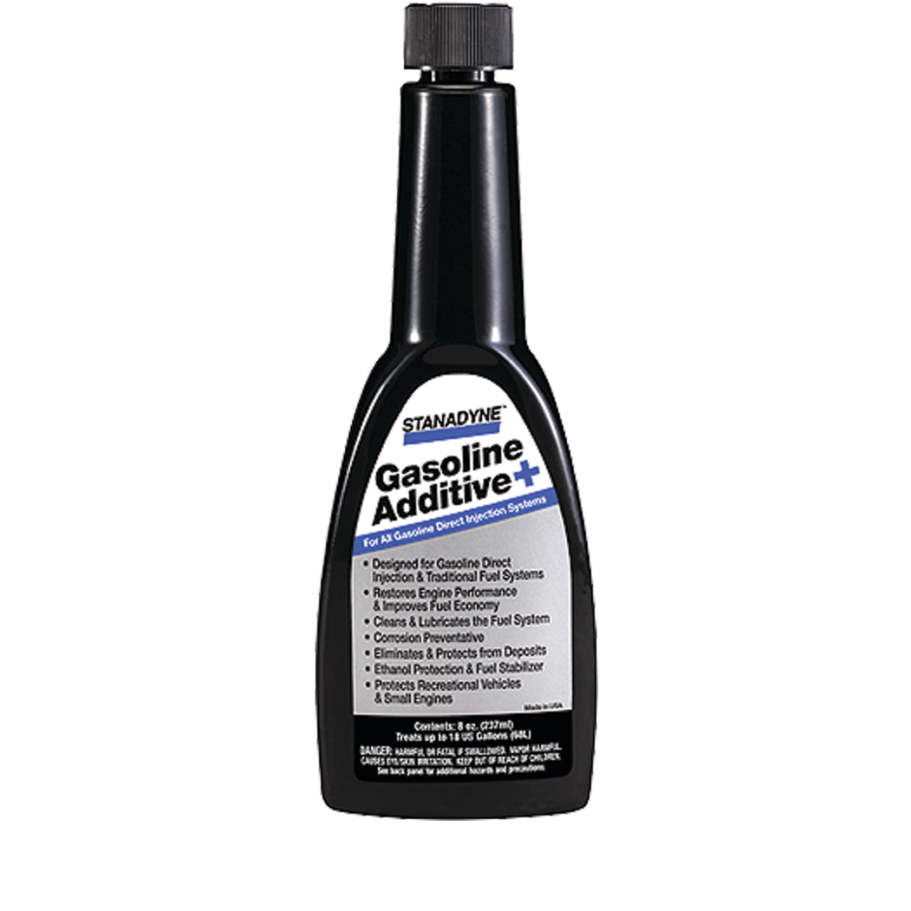
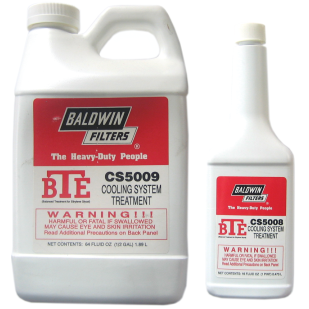
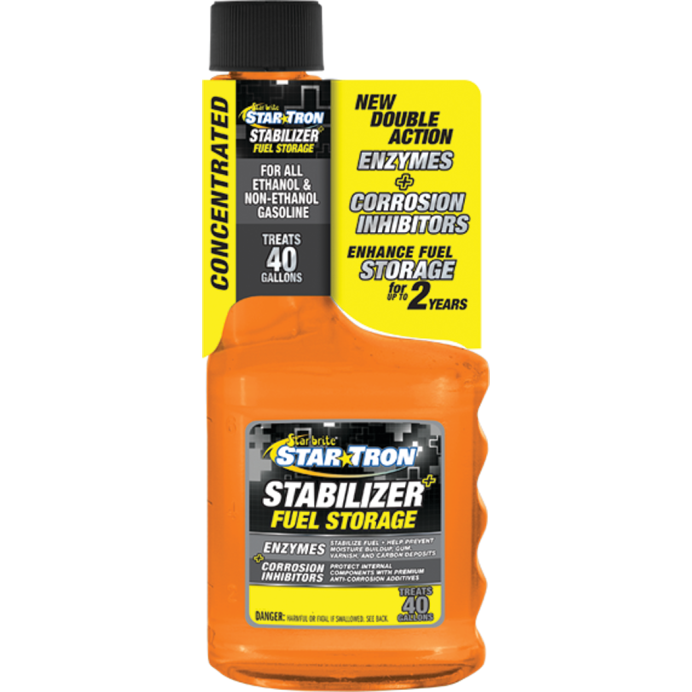
Browse fuel treatment brands including Starbrite, Sta-Bil, and Stanadyne. Whether you need a boat fuel stabilizer for storage, a diesel additive for marine fuel systems, or a cleaner for regular maintenance, this category helps you compare options and choose confidently.
Types of Marine Fuel Additives
Fuel Stabilizers for Boats
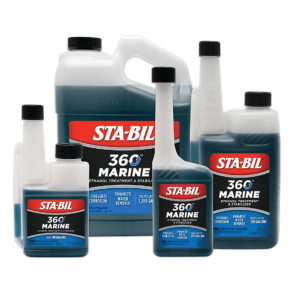
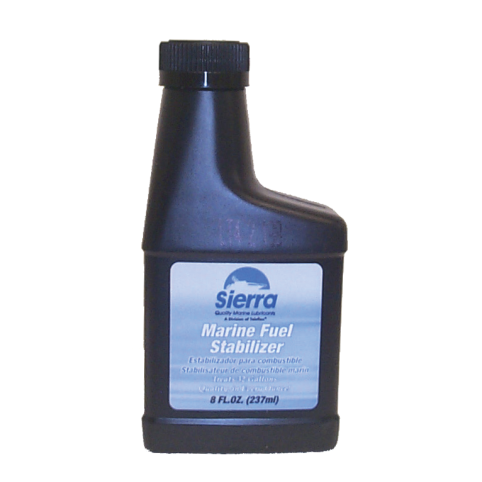
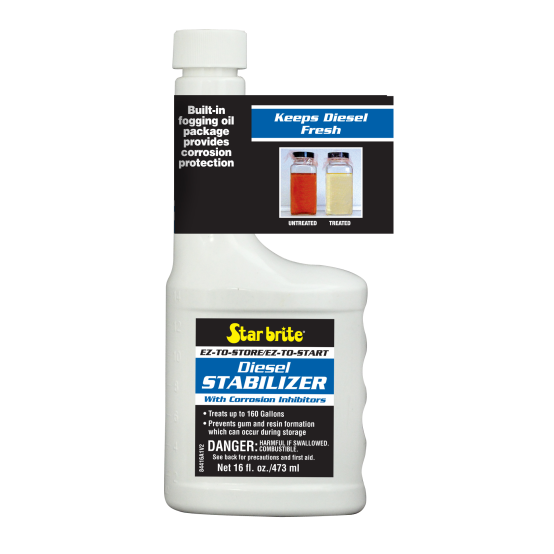
Boat fuel stabilizer is the right choice when fuel may sit for weeks or months. Add it before off-season storage, winterization, or extended downtime so it can mix through the tank and fuel system.
- Helps preserve fuel freshness during storage
- Supports protection against gum, varnish, and oxidation
- Helps manage ethanol-related moisture concerns
- Useful for outboards, sterndrives, inboards, generators, and small engines
Marine Diesel Fuel Additives
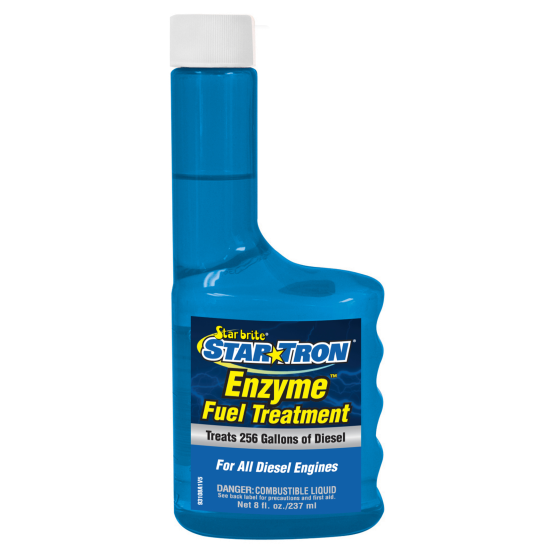
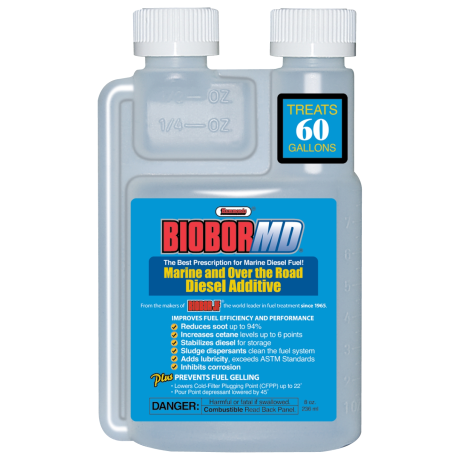
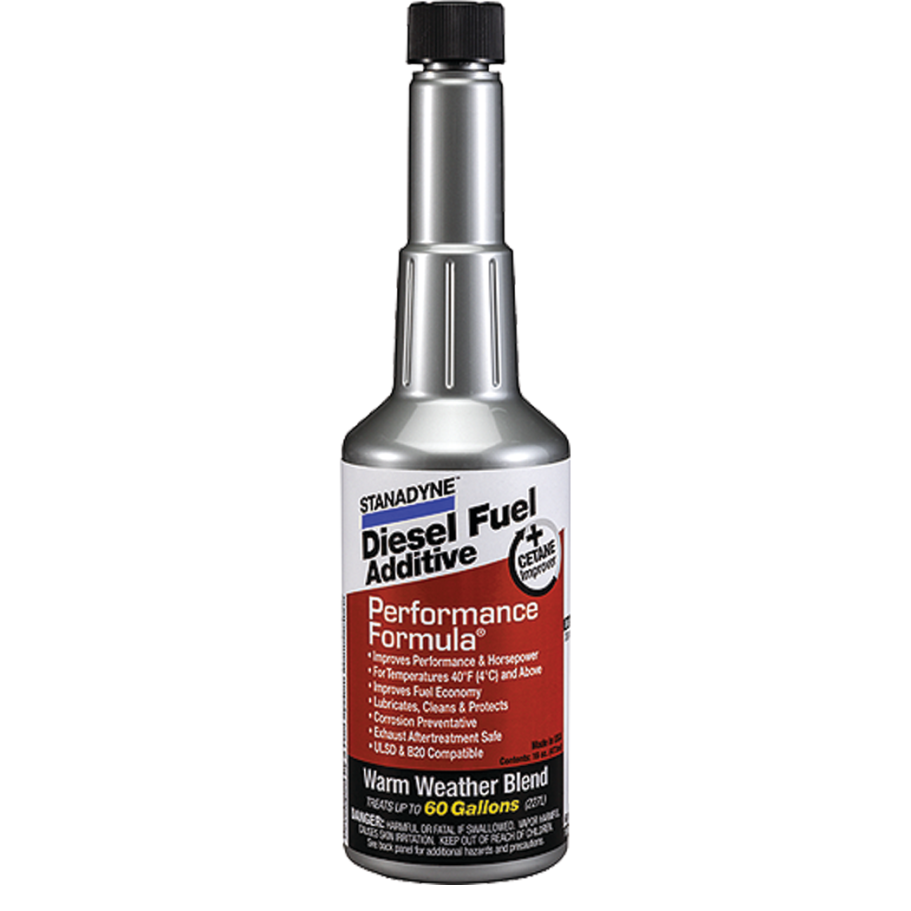
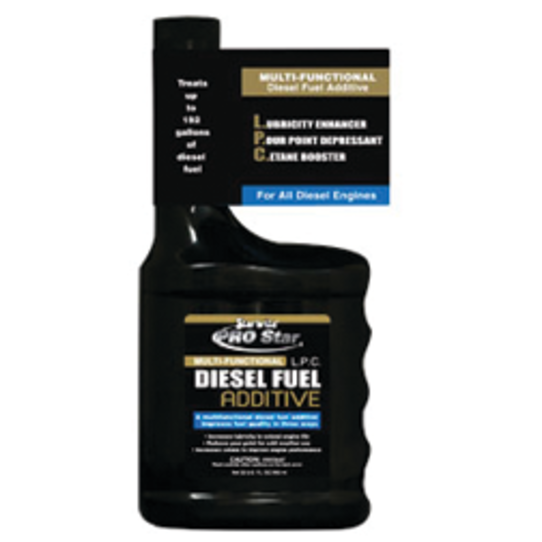
Marine diesel fuel additives are formulated for diesel tanks, fuel lines, injectors, and combustion systems. Depending on the formula, they may improve ignition quality, add lubricity, disperse moisture, clean injectors, or help control microbial growth.
- Cetane support for smoother starts and cleaner combustion
- Lubricity support for pumps and injectors
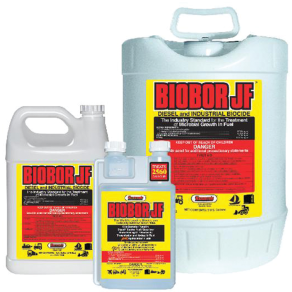
- Biocide or microbial-control options for contaminated diesel systems
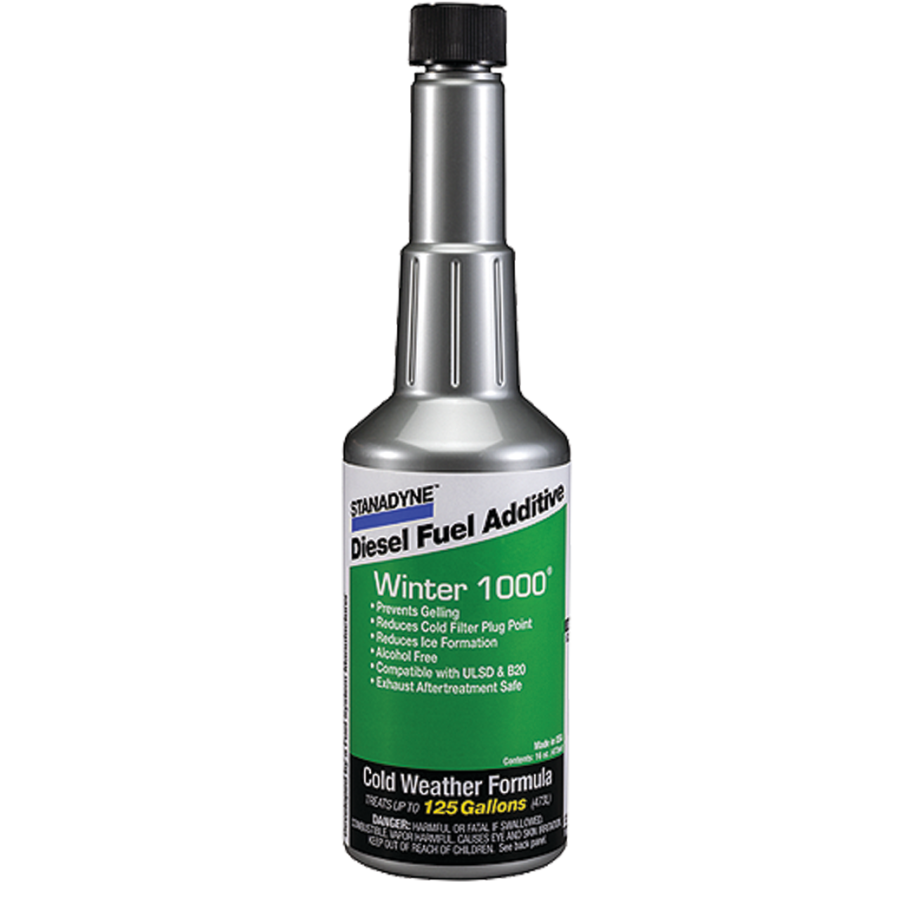
- Cold-weather and storage support where applicable
Fuel Treatments for Boats
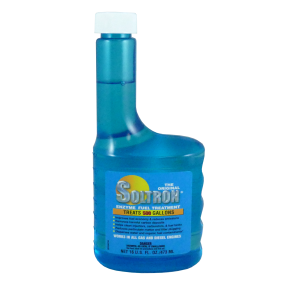
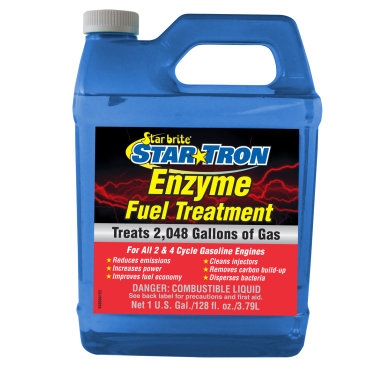
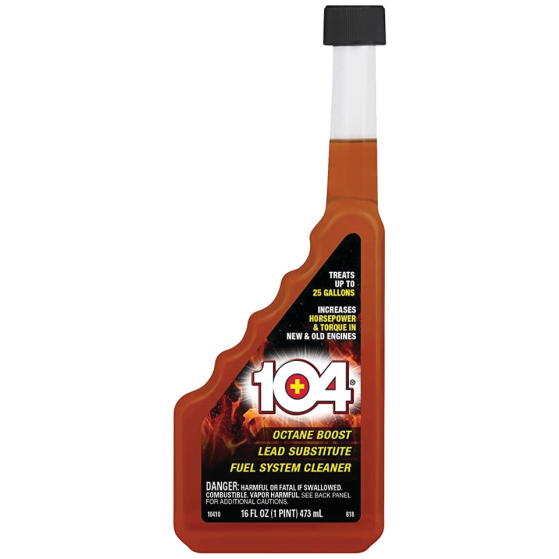
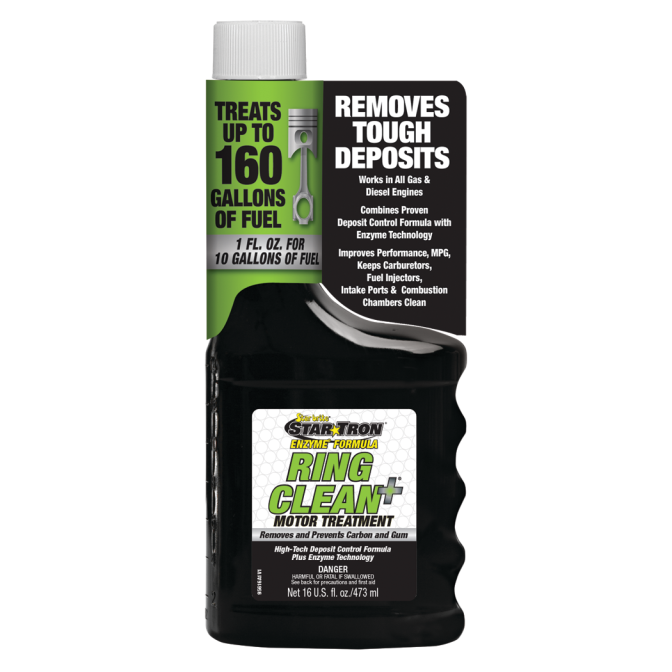
Fuel treatments are often used during the boating season to help correct or reduce performance issues. They may target carbon deposits, dirty injectors, gum, varnish, rough idle, hesitation, or poor fuel economy.
- Helps clean combustion areas and fuel-system components
- Can support smoother idle and easier starting
- Useful for maintenance between major services
- Available for gasoline and diesel marine engines
How to Choose the Best Marine Fuel Additive for Your Boat
Start with Your Fuel Type
Gasoline engines typically need stabilizers, ethanol treatments, moisture control, and carbon-cleaning formulas. Diesel engines may need cetane improvers, lubricity additives, injector cleaners, anti-gel support, or microbial-control treatments.
Match the Product to the Problem
Choose a stabilizer for storage, a cleaner for deposits, a diesel treatment for cetane or lubricity, and a biocide when microbial contamination is confirmed or suspected. If your engine has severe symptoms, inspect filters, fuel condition, and manufacturer guidance before relying on additives alone.
Use the Right Dosage
More is not always better. Follow the product label for gallons treated, application frequency, and whether the additive should be used at every fill-up, seasonally, or only during storage.
How to Use Marine Fuel Additives
- Add before fueling when possible: This helps the additive mix evenly as fuel enters the tank.
- Treat before storage: Run the engine long enough to move treated fuel through the system.
- Use fresh fuel when available: Additives help preserve fuel, but cannot fully restore badly degraded fuel.
- Check compatibility: Confirm the formula is appropriate for gasoline, diesel, ethanol blends, two-stroke, four-stroke, or manufacturer-specific requirements.
Shop Marine-Grade Fuel Additives with Confidence
Whether you are preparing for winter storage, maintaining a hard-working diesel, or trying to prevent ethanol-related issues in a gasoline engine, Fisheries Supply makes it easy to compare marine-grade fuel additives from trusted brands. Browse the selection, check product details, and choose the formula that fits your engine, fuel type, and maintenance schedule. Compare products by fuel type, storage needs, symptoms, dosage, brand, and engine compatibility before adding a treatment to your tank. Review label directions, gallons treated, application frequency, and compatibility with gasoline, diesel, ethanol blends, two-stroke motors, four-stroke motors, generators, inboards, sterndrives, and outboards. For storage, treat fuel before it sits and run the engine long enough to circulate treated fuel through lines, filters, carburetors, injectors, and tanks. Use additives as preventive maintenance rather than a replacement for fresh fuel, clean filters, inspection, and scheduled marine service. Choose marine formulas and follow engine manufacturer guidance. every time
Frequently Asked Questions
Why are marine fuel additives important?
Marine fuel additives help prevent corrosion, reduce buildup, and support smooth engine operation by controlling oxidation, moisture, and microbial contamination in stored fuel.
What problems can fuel stabilizers help prevent?
Fuel stabilizers help mitigate ethanol-related phase separation, repel water, limit evaporation, and preserve fuel freshness during storage.
What do marine diesel fuel additives do?
Marine diesel fuel additives enhance cetane levels, provide lubrication, and help prevent algae and bacterial growth in diesel fuel systems.
Why should I use marine-specific fuel additives instead of automotive ones?
Marine engines operate in high-moisture environments that automotive engines do not face. Marine-specific formulas are engineered with higher concentrations of corrosion inhibitors and biocides to specifically combat water infiltration, salt-air oxidation, and the unique biological growth that occurs in boat fuel tanks.
What is the difference between a fuel stabilizer and a fuel treatment?
Fuel stabilizers are primarily designed for long-term storage to prevent fuel from oxidizing and breaking down into gums and varnishes. Fuel treatments are multi-functional additives used during regular operation to clean injectors, improve combustion efficiency, and manage moisture to prevent phase separation in ethanol-blended fuels.
How do additives help prevent phase separation in ethanol gasoline?
Ethanol is hygroscopic, meaning it attracts atmospheric moisture. Marine additives work preventatively by using surfactants to hold microscopic amounts of water in suspension throughout the fuel, allowing it to pass safely through combustion before it can pool. However, additives cannot reverse or fix phase separation once it occurs; if the fuel crosses its water-saturation threshold and drops out, the tank must be physically drained and cleaned.
What are the benefits of using cetane boosters in marine diesel engines?
Cetane boosters improve the ignition quality of diesel fuel, leading to faster starts and more complete combustion. This results in smoother engine operation, reduced "knocking," lower exhaust emissions (less black smoke), and improved fuel economy by extracting more energy from the fuel.
Can I mix different brands of fuel additives in the same tank?
It is generally recommended to stick with a single brand and type of additive. Mixing different chemical formulations can sometimes cause the active ingredients to cancel each other out or, in rare cases, react to create new deposits and "gunk" within the fuel system.
How often should I add these treatments to my boat’s fuel system?
For optimal engine protection and performance, it is best to add the manufacturer's recommended dosage every time you refuel. This maintains a consistent chemical balance in the tank, ensuring that injectors stay clean and the fuel remains stable even if the boat sits idle for several weeks.