| Component | Function |
|---|---|
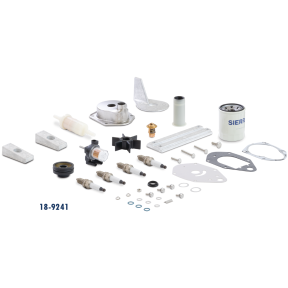
| Raw-water pumps | Move external water through compatible marine cooling systems. |
| Circulation pumps | Distribute coolant through closed-cooling engine circuits. |
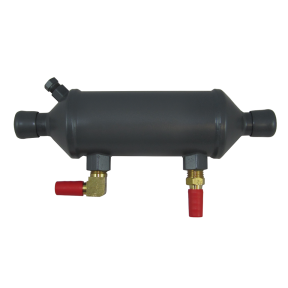
| Oil coolers | Transfer heat away from engine or transmission oil. |
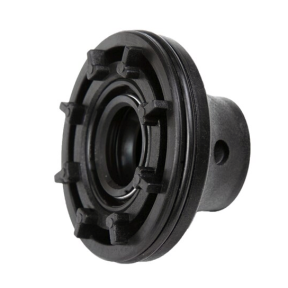
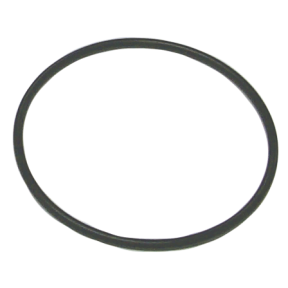
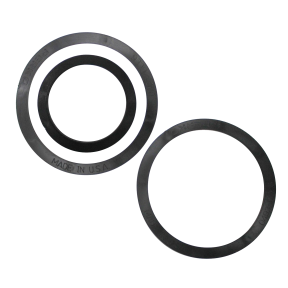
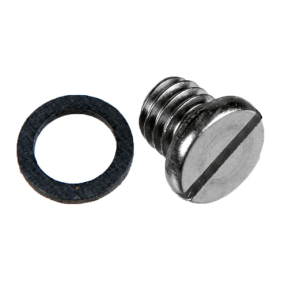
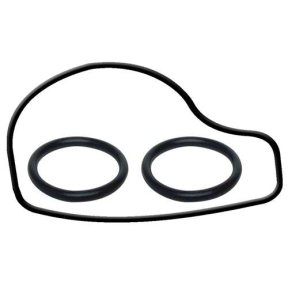
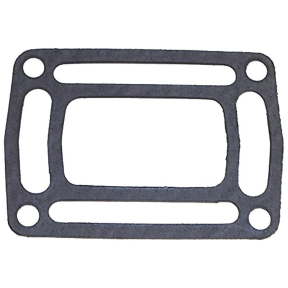
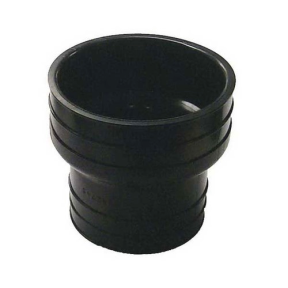
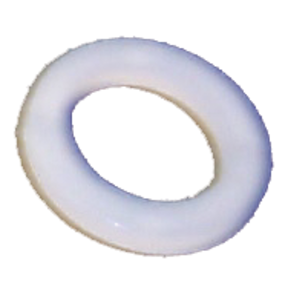
| Heat-exchanger end caps and gaskets | Seal serviceable heat-exchanger assemblies. |
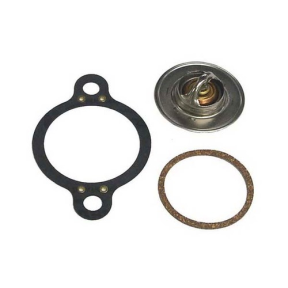
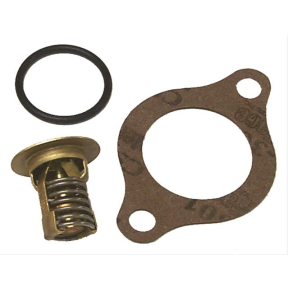
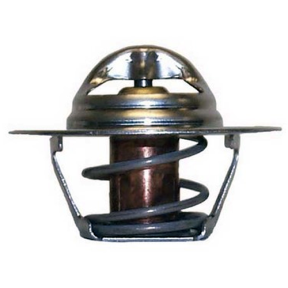
| Thermostats | Regulate operating temperature according to the engine specification. |
| Gauges and senders | Monitor temperature, oil pressure, and other engine conditions. |
Marine Inboard and Outboard Engine Parts Buying Guide
Marine engine parts support cooling, ignition, exhaust, fuel delivery, corrosion protection, power transmission, and routine maintenance for inboard and outboard engines. Use the engine make, model, serial number, model year, and manufacturer parts information to find compatible replacement components.
Marine Engine Parts: Key Takeaways
Marine Inboard and Outboard Engine Parts
Marine engine systems depend on compatible parts that control temperature, maintain seals, reduce vibration, deliver electrical power, circulate cooling water, and limit galvanic corrosion. The correct component depends on the engine configuration, application, operating environment, and manufacturer requirements.
| Component | Function |
|---|---|
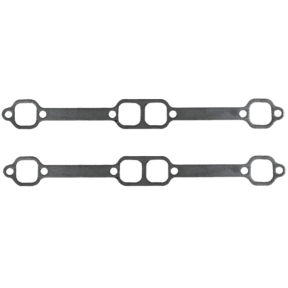
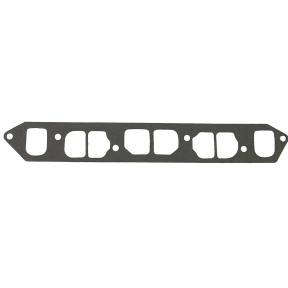
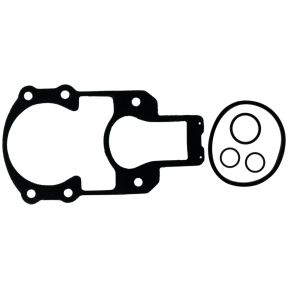
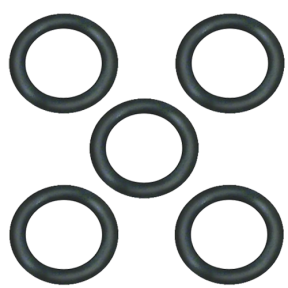
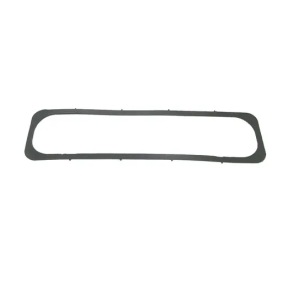
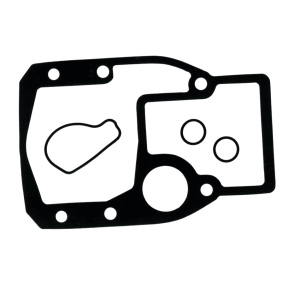
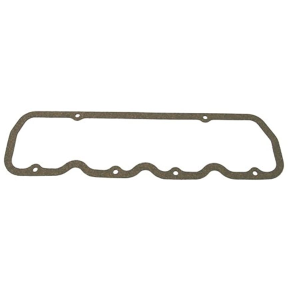
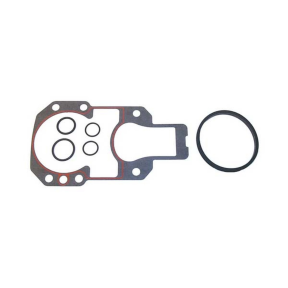
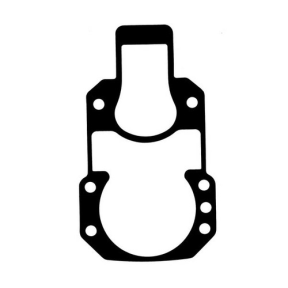
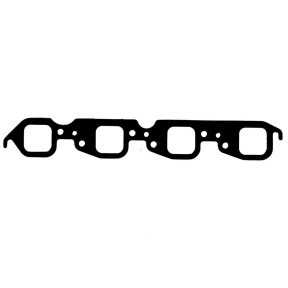
| Engine and exhaust gaskets | Seal mating surfaces against fluid, pressure, and exhaust leaks. |
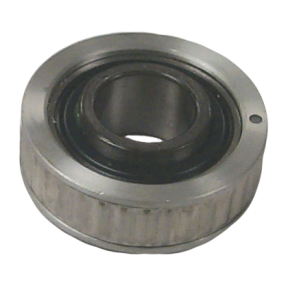
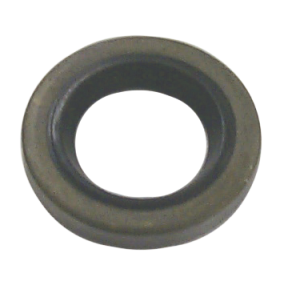
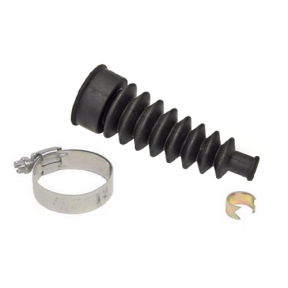
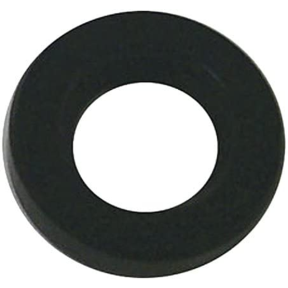
| Shaft seals and bushings | Support moving assemblies and limit leakage or unwanted movement. |
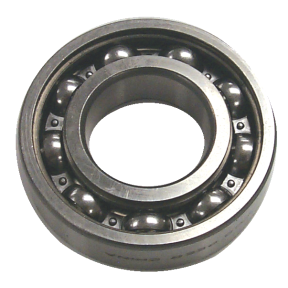
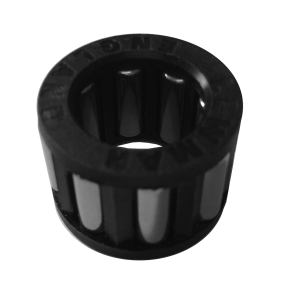
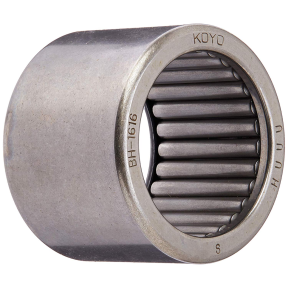
| Roller and ball bearings | Reduce friction in compatible rotating components. |
| Engine mounts | Support the engine, control vibration, and help maintain drivetrain alignment. |
| Component | Function |
|---|---|
| Ignition components | Spark plugs, wires, coils, and related parts support reliable gasoline-engine starting and combustion. |
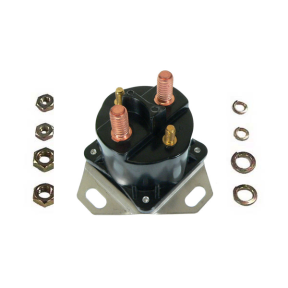
| Charging components | Alternators and associated electrical parts maintain compatible battery systems. |
| Fuel filters and sealing parts | Help maintain clean fuel flow and prevent air or fuel leaks. |
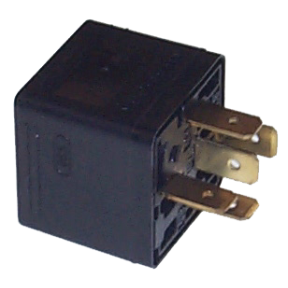
| Warning buzzers, gauges, and senders | Alert operators to temperature, oil-pressure, and system conditions. |
| Component | Function |
|---|---|
| Drive shafts and propeller parts | Transfer engine power through compatible marine drivetrains. |
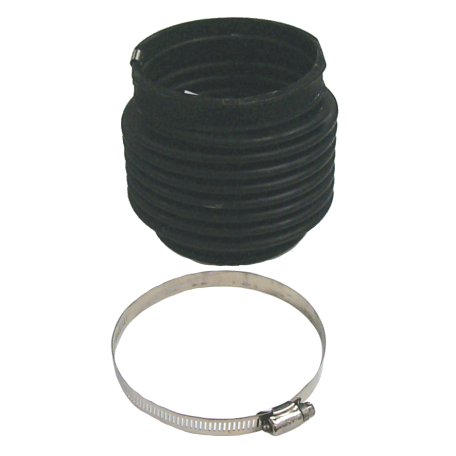
| Exhaust components | Maintain the specified exhaust path and backpressure. |
| Air filters | Reduce contaminants entering compatible engine air-intake systems. |
| Trim tabs and stabilizers | Support vessel trim and handling. |
| Soundproofing | Reduces engine-compartment noise when installed with suitable heat and fire considerations. |
| Engine repair manuals | Provide model-specific service procedures, specifications, and reference information. |
Marine Engine Anode Material by Water Type
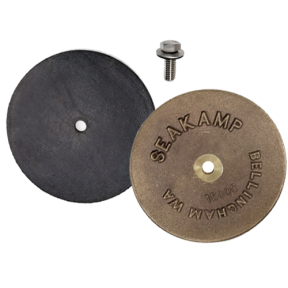
Sacrificial anodes protect compatible engines, shafts, propellers, coolers, and hull components from galvanic corrosion. Confirm the correct anode material with the equipment manufacturer because vessel bonding systems, component alloys, and local water chemistry can affect selection.
Inspect anodes during scheduled maintenance and replace them when approximately half depleted or when the equipment manufacturer specifies an earlier interval.
How to Choose Compatible Marine Engine Parts
- Record the engine manufacturer, model, serial number, model year, and fuel type.
- Compare the information with the manufacturer parts catalog or service manual.
- Check the product listing for model-specific fitment, dimensions, materials, and included components.
- Verify whether the replacement is an original equipment part, an aftermarket equivalent, or a universal component requiring additional fitment checks.
- Overheating: Inspect pumps, thermostats, coolers, heat exchangers, hoses, end caps, gaskets, gauges, and senders.
- Leaks or pressure loss: Check gaskets, seals, fittings, filters, and mating surfaces.
- Vibration or misalignment: Inspect engine mounts, bearings, bushings, shafts, and propeller components.
- Starting or charging problems: Confirm specifications for spark plugs, wires, coils, alternators, and electrical connections.
- Corrosion: Inspect sacrificial anodes, bonding connections, coolers, shafts, propellers, and submerged metal components.
Marine Engine Parts Brands
Available manufacturer and aftermarket brands may include Sierra, Seakamp, Barr Marine, and Glendinning. Brand recognition alone does not confirm compatibility; compare the manufacturer part number, engine application, materials, dimensions, electrical rating, and installation requirements before purchase.
Frequently Asked Questions
How do I find the correct marine engine part for my boat?
Start with the engine manufacturer, model, serial number, model year, and fuel type. Compare those identifiers with the manufacturer parts catalog and the product listing. Confirm the part number, dimensions, materials, included hardware, and engine application before choosing an inboard or outboard replacement part.
How do I match an oil cooler or heat-exchanger end cap to my engine?
Use the engine data plate and the existing cooler or heat-exchanger part number to identify the assembly. Check cooler dimensions, connection sizes, end-cap design, gasket requirements, and listed engine compatibility. Manufacturer diagrams and service manuals provide the most reliable reference for model-specific cooling components.
Which sacrificial anode material should I use for my boat engine?
Zinc is commonly used in salt water, aluminum in brackish or mixed water, and magnesium in fresh water. Confirm the material specified for the engine, cooler, shaft, or propeller. Vessel bonding, component alloys, and local water chemistry can change the correct corrosion-protection choice.
When should marine engine gaskets and seals be replaced?
Replace gaskets and seals when a sealed joint is opened, when leakage or deterioration is visible, or at the interval stated in the engine service manual. Oil mist, exhaust soot, coolant loss, fuel odor, vacuum loss, and overheating can indicate a failed sealing component.
What marine engine parts should be replaced together during cooling-system service?
Inspect the oil cooler, heat exchanger, end caps, gaskets, hoses, thermostat, raw-water pump, circulation pump, senders, and sacrificial anodes as one system. Replacing worn related components during the same repair can reduce repeat disassembly and help restore cooling flow and temperature control.
What should I check when a marine engine is overheating?
Check the raw-water intake, strainer, impeller, pumps, thermostat, hoses, oil cooler, heat exchanger, coolant level, temperature sender, and gauge. Look for blocked passages, leaks, damaged seals, restricted exhaust flow, or incorrect replacement parts. Follow the engine manufacturer's diagnostic and service procedures.