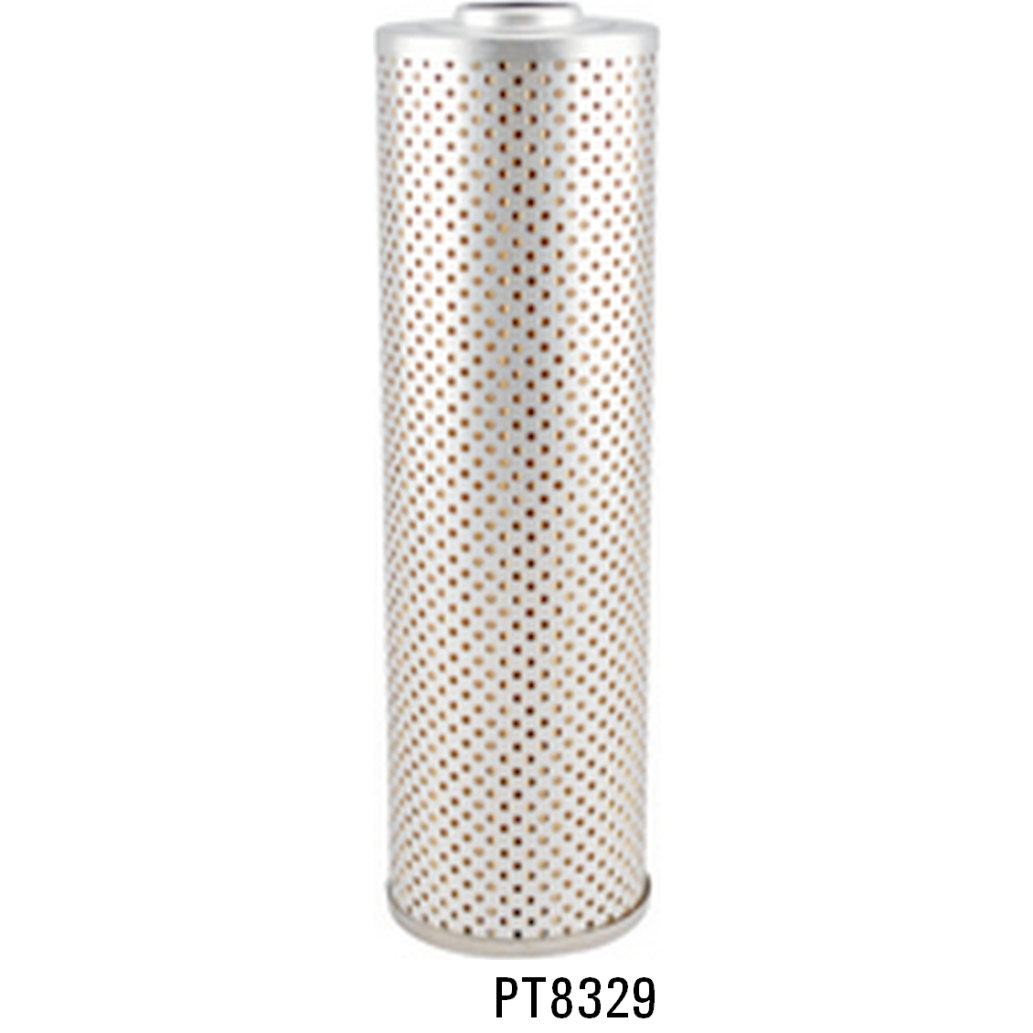
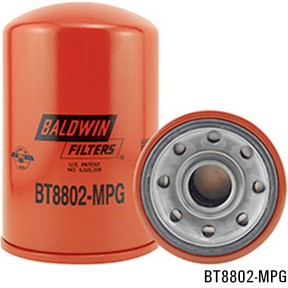
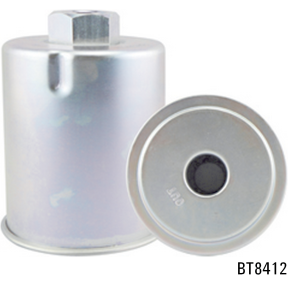
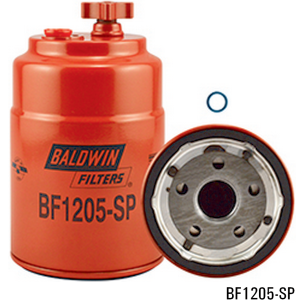
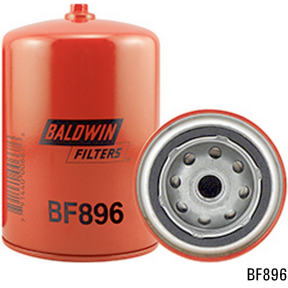
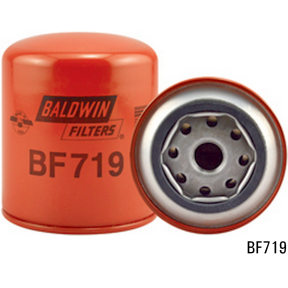
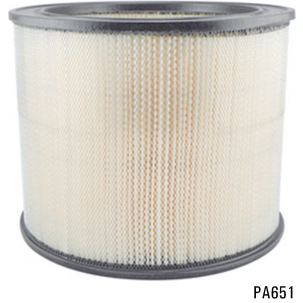
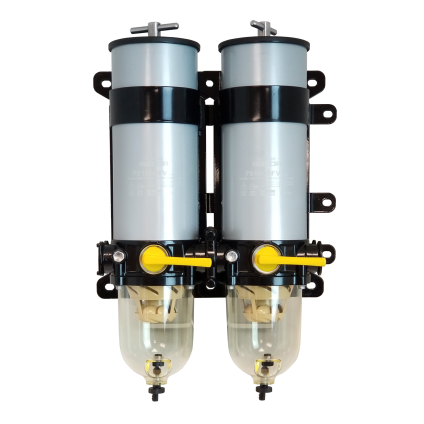
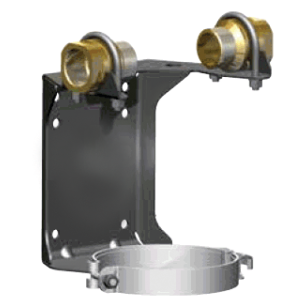
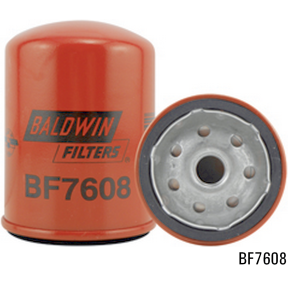
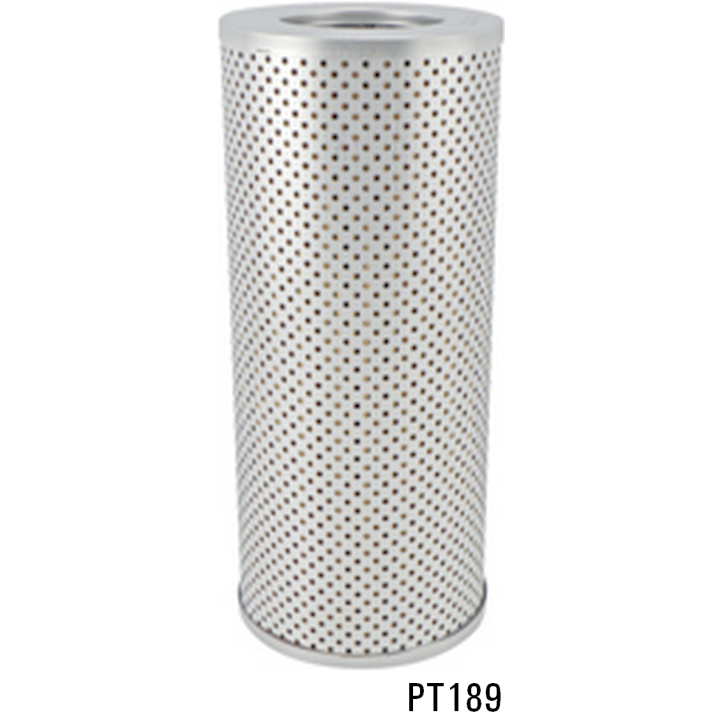
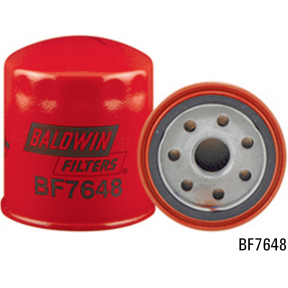
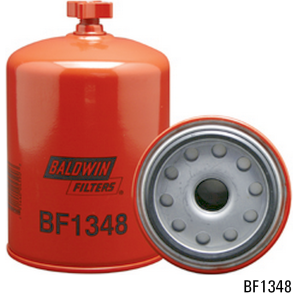
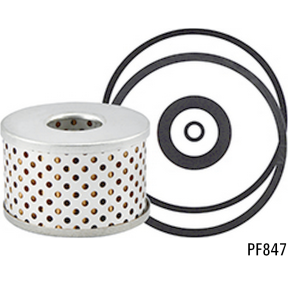
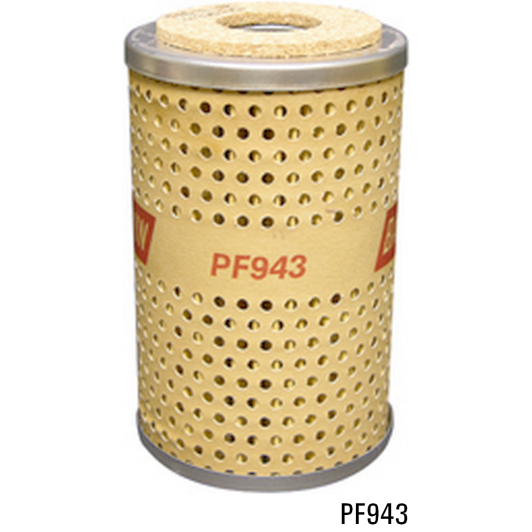
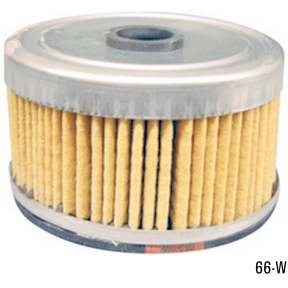
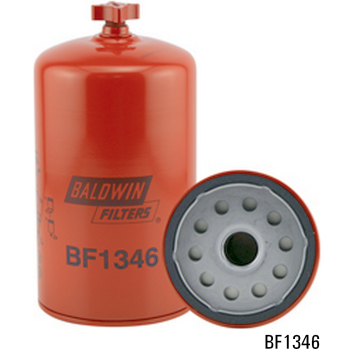
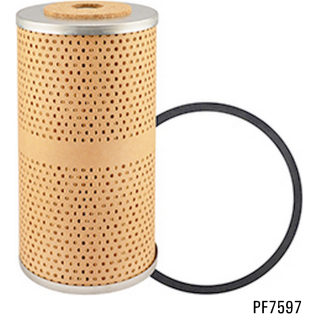
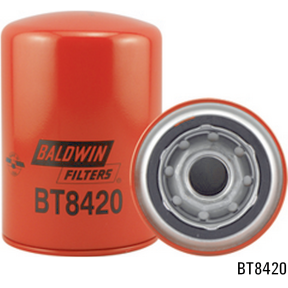
Boat Fuel Filters and Water Separators
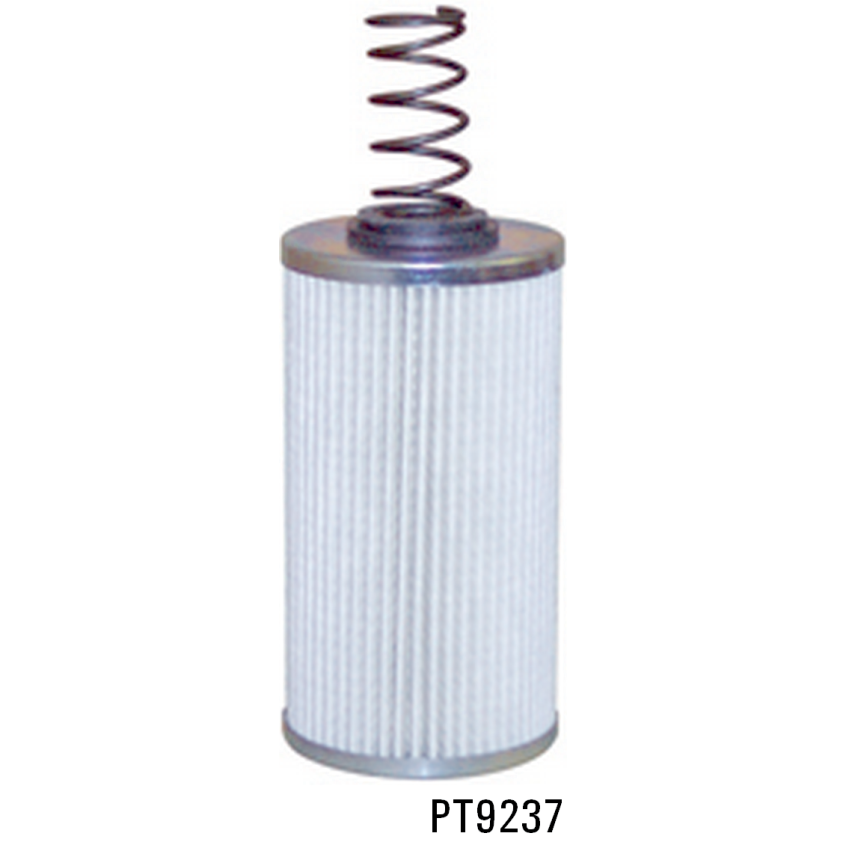
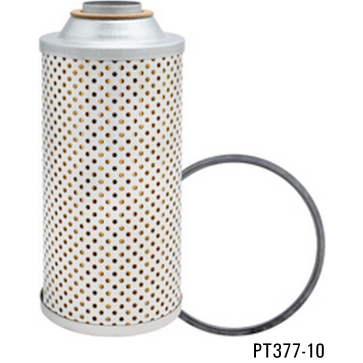
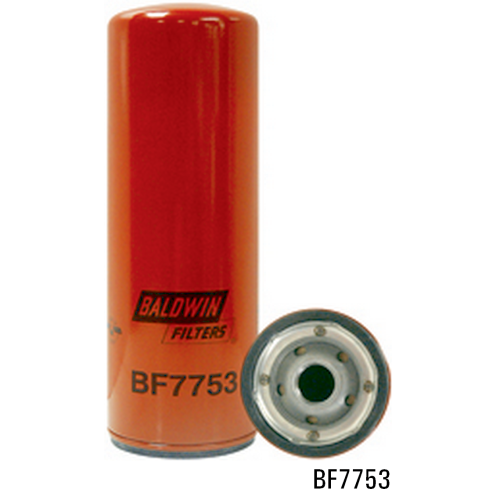
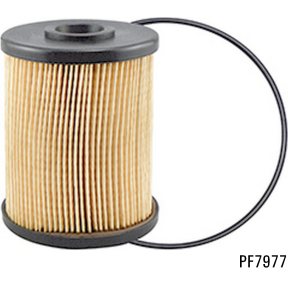
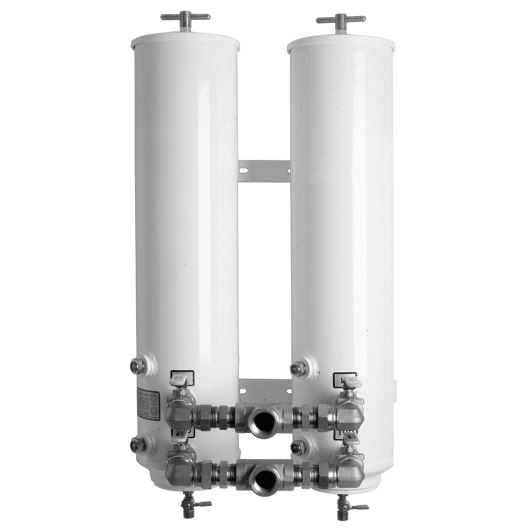
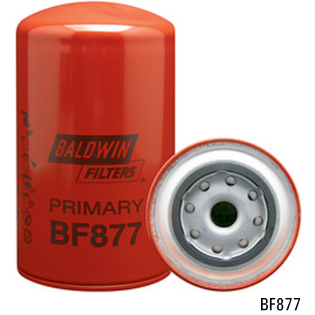
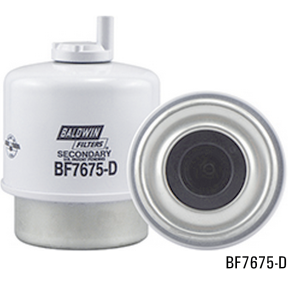
Marine fuel filters and fuel/water separators remove contaminants before gasoline or diesel reaches a boat engine. Recreational boaters, DIY owners, and installers can compare assemblies, replacement elements, and maintenance features to find a system compatible with their engine and fuel layout.
Boat Fuel Filtration at a Glance
Why Fuel Filters and Water Separators Matter
Water, rust, biological growth, and other particles can clog filters and contribute to hard starting or stalling. A primary marine fuel filter and fuel/water separator remove free water and debris before fuel reaches the engine-mounted filter. Clean, dry fuel is particularly important for diesel common-rail systems and fuel-injected gasoline outboards.
How to Choose a Marine Fuel Filtration System
| Selection factor | What to check |
|---|---|
| Engine and fuel | Gasoline or diesel compatibility and single- or multiple-engine configuration. |
| Fuel flow | Engine fuel demand at wide-open throttle and the assembly’s rated capacity. |
| Tank and hose layout | Tank size, pickup location, tank height, hose runs, and service access. |
| Filtration | Element efficiency and the filtration requirements of the engine and fuel system. |
| Housing and monitoring | Bowl material, requirements for enclosed gasoline spaces, water drains, and restriction or water-in-fuel indicators. |
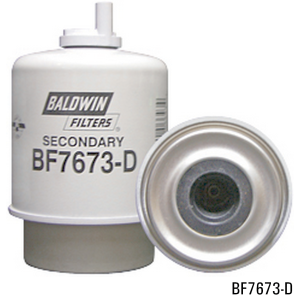
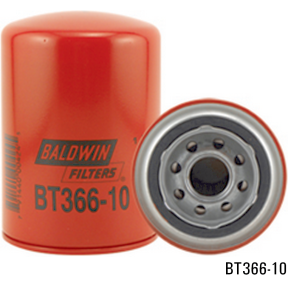
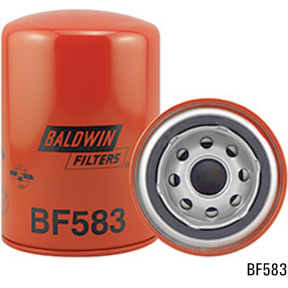
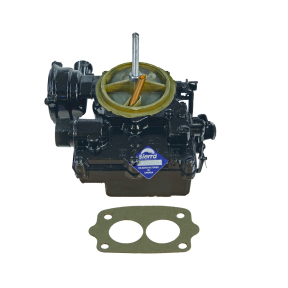
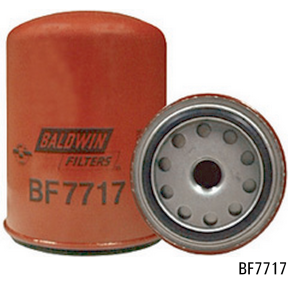
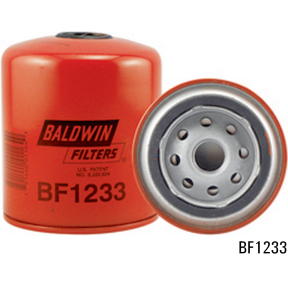
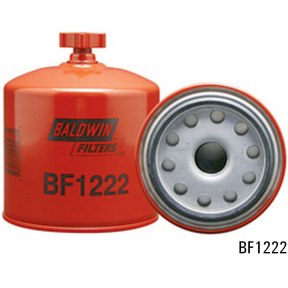
Fisheries Supply carries fuel system products from Racor, Sierra, Baldwin, and Moeller Marine. For permanently installed gasoline systems, consult applicable marine fuel system guidance, including ABYC H-24 Gasoline Fuel Systems.
Fuel Filter and Water Separator Maintenance
- Inspect primary and secondary filters at least once each season.
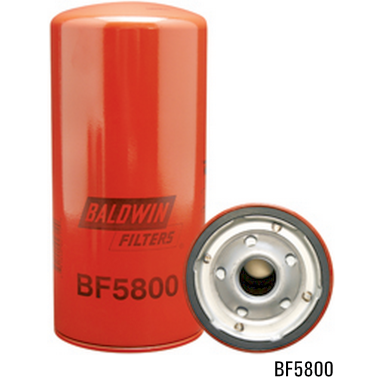
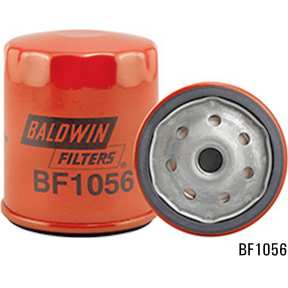
- Replace elements according to the equipment’s service requirements; the source guidance calls for replacement at least every 100 operating hours or sooner if restriction increases.
- Drain accumulated water when it is visible in a separator bowl.
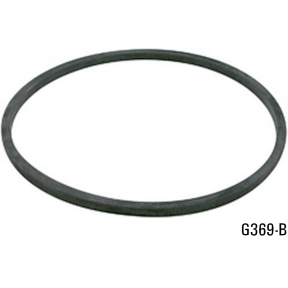
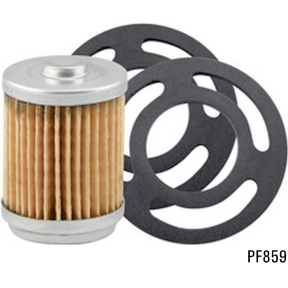
- Carry compatible spare elements and gaskets for service underway.
Frequently Asked Questions
How do I choose a fuel filter for a gasoline or diesel boat engine?
Start with a marine fuel filter assembly approved for the engine’s fuel type and sized for its fuel flow. Then check the tank and hose layout, element efficiency, housing material, and available service space. Enclosed gasoline spaces may have additional requirements for the assembly and bowl.
What does a boat fuel/water separator do?
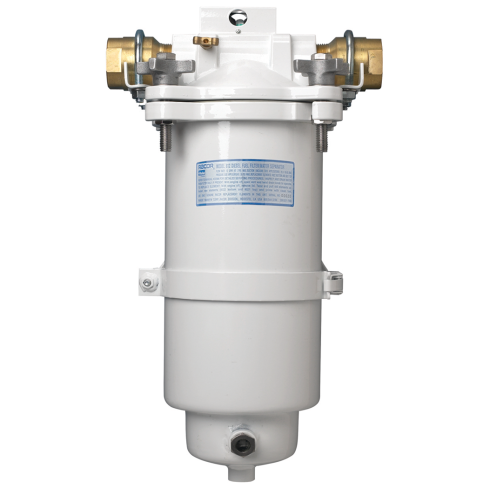
A boat fuel/water separator removes free water and debris before fuel reaches the engine-mounted filter. It provides a first stage of filtration for contaminants that may enter or develop in the tank. The separator must match the fuel type, engine demand, and installation layout.
How often should I replace a marine fuel filter element?
Inspect primary and secondary filters at least once each season. The supplied maintenance guidance calls for replacing elements at least every 100 operating hours, or sooner if restriction increases. Check the specific filter and engine service instructions when setting a replacement schedule for your boat.
What should I check when selecting a marine fuel/water separator?
Check gasoline or diesel compatibility, rated fuel flow, filter efficiency, and the available space for installation and service. Tank position and hose runs also affect the layout. Compare bowl material, drain access, and monitoring options against the requirements of the boat’s fuel system.
Why does water in boat fuel cause engine problems?
Water and other tank contaminants can clog filters and contribute to hard starting or stalling if they reach the engine. A fuel/water separator removes free water before fuel passes to the engine-mounted filter. Inspecting the separator and draining visible accumulated water are part of routine fuel system maintenance.
What spare fuel filter parts should I keep on board?
Keep replacement filter elements and compatible gaskets on board for service underway. Select spares that fit the installed primary filter or fuel/water separator, and check whether the engine-mounted secondary filter needs a separate element. Accessible service parts make it easier to respond when restriction increases.