









Boat Propellers, Hub Kits, and Accessories
Boat propellers convert engine power into thrust, affecting acceleration, cruising performance, handling, and top speed. For outboard, sterndrive, and inboard boats, the right propeller and compatible hub kit depend on engine fitment, intended use, and the manufacturer’s wide-open-throttle (WOT) RPM range.
How Boat Propellers Affect Performance
A marine propeller produces thrust by accelerating water as its blades rotate. Its design changes how much load the engine carries and how the boat accelerates, planes, cruises, and responds in turns. A propeller should allow the engine to operate within its specified WOT RPM range under a normal load.
Propeller Sizing and Design Features
| Feature | What it means | How to select |
|---|---|---|
| Diameter | The circle traced by the blade tips. | A larger diameter generally increases engine load and may improve low-speed thrust. |
| Pitch | The theoretical forward travel per revolution. | Lower pitch generally raises WOT RPM; higher pitch generally lowers it. |
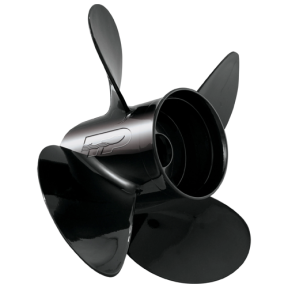
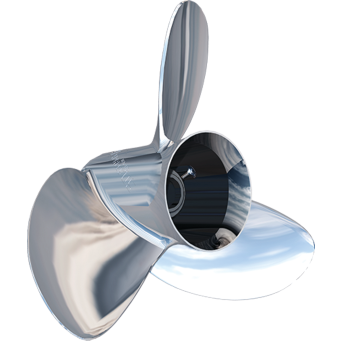
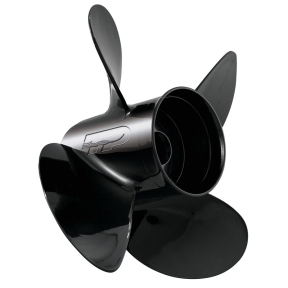
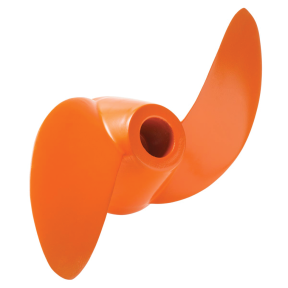
| Blade count | The number of propeller blades. | Three blades often favor top speed and efficiency. Four or five blades may improve acceleration, grip, and smoothness for heavier loads or tow sports. |
| Material | The material used for the blades. | Aluminum is economical and repairable. Stainless steel permits stronger, thinner blades and suits demanding or high-torque applications. |
| Rake and cup | Rake is the blade’s aft tilt; cup is a curved lip near its trailing edge. | These features affect lift, grip, effective pitch, and handling. Results depend on the boat and propeller design. |
Propeller Hub Kits and Fitment
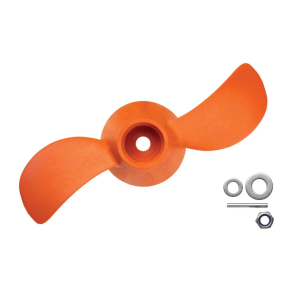
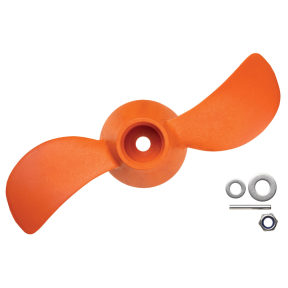
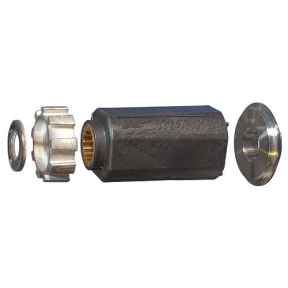
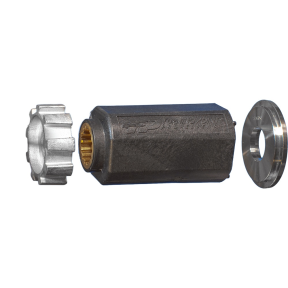
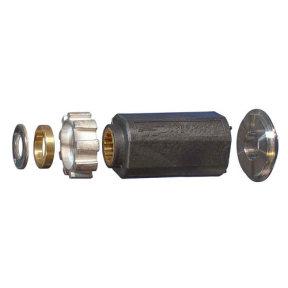
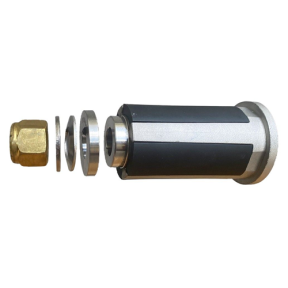
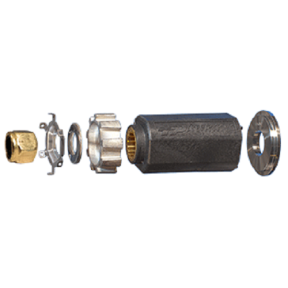
A propeller hub kit connects the propeller to the shaft. Many hub designs also absorb shock loads, helping protect drivetrain components. Select the kit specified for the engine and gearcase rather than assuming that a propeller and hub will fit every installation.
- Confirm compatibility: Match the engine make, model, year, and gearcase.
- Check the assembly: Confirm the required hub insert, thrust washer, propeller nut, and retaining hardware.
- Inspect for wear: Examine the hub insert during a propeller change or haul-out, especially if vibration or slipping develops.
How to Choose a Boat Propeller
- Identify the engine and existing setup. Record the engine make, model, horsepower, gear ratio, year, and current propeller size.
- Define the main use. Consider cruising, fishing, tow sports, workboat duty, or performance, along with the boat’s typical load.
- Measure current performance. Record WOT RPM, GPS speed, acceleration, cruise behavior, trim, and load.
- Compare a suitable propeller. Use the engine manufacturer’s WOT range to guide changes in pitch and diameter; confirm hub compatibility before installation.
- Test on the water. Compare acceleration, mid-range operation, top speed, and handling. Keep fuel, crew, gear, and water conditions as consistent as practical between runs.
If the engine falls below its specified WOT range with a normal load, a lower-pitch propeller may help it gain RPM. If it exceeds the range, a higher-pitch propeller may reduce RPM. Diameter, blade design, and boat setup also affect the result.
Maintenance, Installation, and Related Accessories
- Propeller blades: Inspect for bends, cracks, and impact damage that may cause vibration.
- Hub and thrust washer: Check for wear or heat discoloration and replace damaged components.
- Shaft and hardware: Grease and secure the assembly according to the engine and propeller manufacturer’s instructions, including the specified propeller-nut torque.
- Service tools and protection: Propeller covers, socket tools, and pullers can support storage and maintenance.
- Related vibration control: Browse marine engine mounts for components that help limit vibration transmitted to the hull.
Propeller Safety
Shut down the engine whenever people are swimming, boarding, or using a ladder near the stern. Use an engine cut-off switch where fitted, brief passengers before operating, and maintain a lookout around the boat.
Frequently Asked Questions
How do I know if my boat propeller pitch is wrong?
Compare the engine’s WOT RPM under a normal load with the manufacturer’s specified range. RPM below that range may indicate too much pitch; RPM above it may indicate too little. Record GPS speed and handling during an on-water test because diameter, blade design, and boat setup also affect the result.
Should I choose a three-blade or four-blade boat propeller?
A three-blade propeller often favors top speed and efficiency, while a four-blade design may improve acceleration, mid-range grip, and smoothness. Boat weight, hull design, load, and intended use determine which performs better. Compare both designs on the water while checking that the engine remains within its specified WOT RPM range.
What is the difference between aluminum and stainless steel propellers?
Aluminum propellers are generally economical and repairable, making them a common general-purpose choice. Stainless steel allows stronger, thinner blades and can suit higher-torque or demanding applications. Material alone does not determine performance: pitch, diameter, blade geometry, engine fitment, and normal boat load also matter.
Do I need a specific hub kit for my propeller?
Yes. Match the propeller hub kit to the engine and gearcase specified for the installation. Check the engine make, model, year, and required mounting components before ordering. An incompatible hub or incorrect hardware can cause poor fit, vibration, or drivetrain damage.
What do rake and cup do on a boat propeller?
Rake is the aft tilt of a propeller blade, while cup is a curved lip near the trailing edge. These design features can affect lift, grip, effective pitch, and handling at different trim settings. Their effects vary by hull, engine, load, and overall propeller design.
How should I test a new boat propeller?
Run an on-water comparison with a normal load and record WOT RPM, GPS speed, acceleration, cruise behavior, and handling. Keep crew, fuel, gear, and water conditions as consistent as practical. Confirm that the engine reaches its specified WOT RPM range and watch for ventilation or vibration.