




















Boat Trim Tabs and Interceptor Systems for Trim Control
Boat trim tabs adjust a boat’s running attitude to help reduce bow rise and correct side-to-side imbalance. Traditional trim tabs and interceptor systems provide different ways to control pitch and roll. Choose a system based on boat size, displacement, typical operating conditions, and the manufacturer’s installation requirements.
How Trim Tabs Affect Your Boat’s Ride
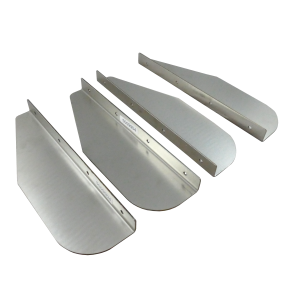
Traditional trim tabs are adjustable plates mounted to the transom. Changing their position adjusts how the hull meets the water, helping compensate for uneven loads and changes in running conditions.
| Ride Issue | How Trim Control Can Help |
|---|---|
| Bow rise | Adjust the boat’s fore-and-aft attitude to help lower the bow. |
| Side-to-side imbalance | Adjust roll to help level the boat when loads are uneven. |
| Porpoising | Adjust running attitude to help limit repeated bow oscillation. |
| Inefficient running angle | A more suitable hull angle can improve efficiency; fuel savings depend on the boat and operating conditions. |
The effect of a trim adjustment depends on speed, loading, and sea conditions. Improved comfort, handling, or fuel economy should not be treated as a guaranteed result for every boat.
Traditional Trim Tabs Compared with Interceptor Systems
| System Type | Operating Method | Selection Consideration |
|---|---|---|
| Traditional trim tabs | Adjustable transom-mounted plates change the boat’s running attitude. | Compare electric and hydraulic options against the requirements of the boat and the specific system. |
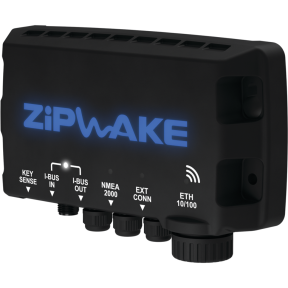
| Interceptor systems | Vertically deploying blades provide trim adjustments. Zipwake is one example. | Consider the mounting arrangement, response characteristics, and automatic control capabilities of the selected system. |
Interceptor systems can provide rapid trim corrections and automatic adjustment as loads or sea conditions change. Check the specific system’s capabilities rather than assuming every interceptor offers the same response or control functions.
How to Choose a Trim Control System
| Selection Factor | What to Check | Why It Matters |
|---|---|---|
| Boat size and displacement | Match the system to the boat using the manufacturer’s selection guidance. | Boat size alone does not establish whether an electric, hydraulic, or interceptor system is suitable. |
| Operating conditions | Consider typical speeds, loading, and sea conditions. | These conditions influence the trim corrections needed during use. |
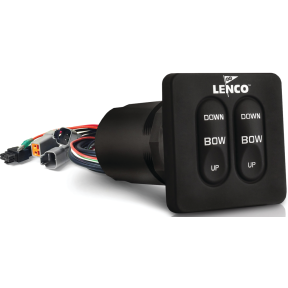
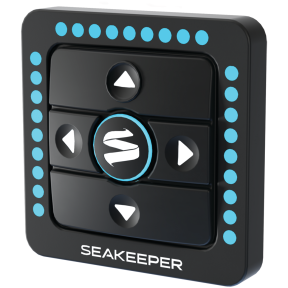
| Control preferences | Compare operator-controlled adjustment with available automatic trim functions. | Automatic control can reduce manual input, but capabilities vary by system. |
| Installation requirements | Review the selected system’s mounting requirements before purchase. | The trim system must suit the boat’s installation layout. |
Trim Control Brands and Related Boat Parts
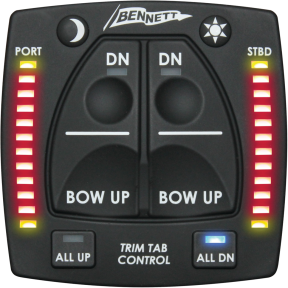
The supplied category selection includes Bennett Marine and Lenco trim tab systems, along with interceptor options such as Zipwake. Compare each system’s application and installation guidance before choosing.
For related components on outboard-powered boats, browse the outboard engine parts category.
Frequently Asked Questions
How do trim tabs improve boat performance?
Trim tabs reduce bow rise and correct side-to-side imbalance by adjusting the boat’s pitch and roll. This helps the boat plane more quickly and operate more efficiently by improving how the hull meets the water.
What are interceptor trim tab systems?
Interceptor trim tab systems use vertically moving blades integrated into the hull to adjust trim. They respond faster than traditional tabs and are commonly paired with automatic control systems for real-time adjustments.
How do I choose the right trim tabs for my boat?
Selecting trim tabs depends on boat size, displacement, and typical operating conditions. Larger or heavier boats often benefit from hydraulic systems, while smaller boats commonly use electric trim tabs.