


Choosing Pot Pullers for Crabbing and Shrimping
A pot puller, also called a pot hauler or line hauler, helps retrieve crab and shrimp pots with less physical effort. Compare manual and electric options by your boat's mounting arrangement, available power, and the weight of your loaded pots.
Key Purchase Checks
How Pot Pullers Help with Retrieval
Pot pullers help manage the weight and bulk of crab and shrimp pots during retrieval. Electric assistance reduces the physical effort of hauling, which is particularly useful when working multiple pots or retrieving gear from deeper water.
Manual and Electric Pot Pullers
| Type | Application | What to Check |
|---|---|---|
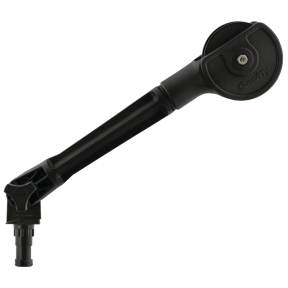
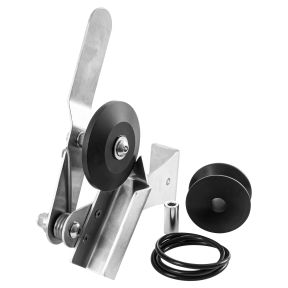
| Manual Crab Pot Pullers | Smaller boats and lighter-duty recreational crabbing or shrimping. | Mechanical operation, mounting fit, and suitability for the weight of your loaded pots. |
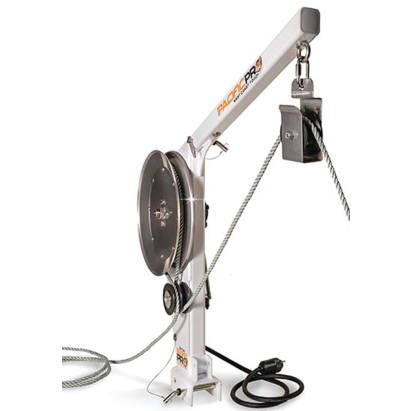
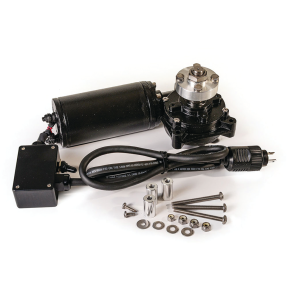
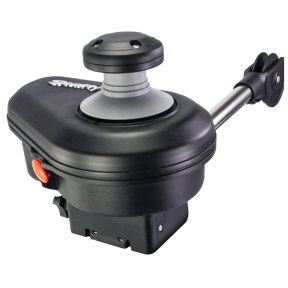
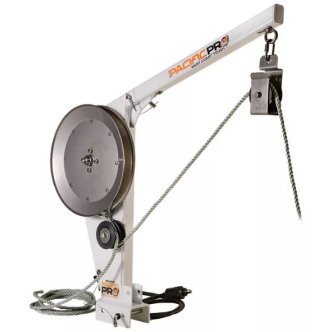
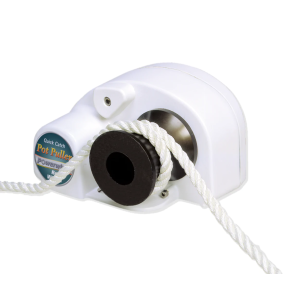
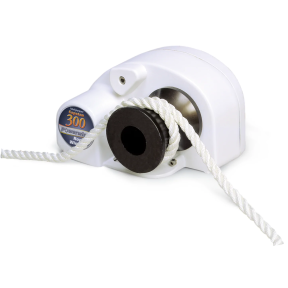
| Electric Pot Pullers | Repeated hauling and applications where powered retrieval reduces physical effort. | The specific model's load rating, electrical requirements, and mounting compatibility. |
How to Choose a Compatible Pot Puller
Start with your boat and fishing gear, then compare the requirements of individual pullers. Capacity, retrieval speed, line compatibility, and mounting arrangements should be checked for the model you intend to use.
| Selection Factor | What to Check | Why It Matters |
|---|---|---|
| Boat and mounting arrangement | Confirm that the puller fits your boat and its intended mounting system. | Existing downrigger hardware does not establish compatibility with every puller. |
| Loaded pot weight | Compare the weight of your loaded pots with the puller's stated capacity. | The puller must be suitable for the gear being hauled. |
| Electrical supply | For an electric puller, confirm the model's required voltage and connection requirements. | A matching mounting system does not establish electrical compatibility. |
| Line diameter and construction | Check the model's supported line sizes and rope types. | Do not assume that every puller accepts the same line. |
| Retrieval speed | Compare the stated retrieval speed of the models you are considering. | Speed is relevant when retrieving multiple pots or fishing in deeper water. |
Frequently Asked Questions
What is a pot puller used for?
A pot puller is used to haul crab or shrimp pots from the water with less effort and greater control, reducing physical strain during retrieval.
What types of pot pullers are available?
Common options include manual pot pullers for light-duty use on smaller boats and electric pot pullers designed for medium to heavy-duty hauling.
How do electric pot pullers operate?
Electric pot pullers are powered by a 12-volt onboard electrical system and provide assisted retrieval to reduce physical effort.
What factors should be considered when choosing a pot puller?
Boat size and pot weight are key considerations to ensure the puller matches the boat’s capabilities and the demands of the gear being hauled.
Are these pot pullers compatible with existing downrigger mounts?
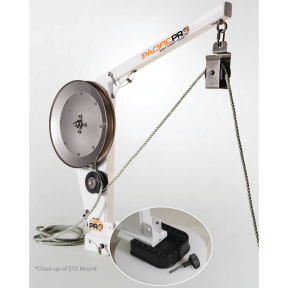
Yes, many popular models are designed to fit Scotty downrigger mounting bases, and adapters are available for Burnewiin or Cannon hardware. However, because electric pot pullers draw higher current (typically 30–45 Amps under heavy loads) than standard electric downriggers, they require heavy-gauge wiring (typically 8 AWG or 6 AWG) and a high-amp marine power plug or dedicated circuit breaker rather than a standard low-amp downrigger outlet.
What is the typical pulling capacity and speed for an electric hauler?
Most recreational electric pot pullers have a max load capacity ranging from 100 lbs to 110 lbs, with some heavy-duty models reaching up to 200 lbs or more. They typically offer a retrieval speed of approximately 140 to 150 feet per minute, allowing you to check more traps in less time compared to manual hauling.
What size and type of line should I use with a pot puller?
Most recreational pot pullers accommodate line sizes from 1/4” to 3/8”. Braided nylon or polyester line and leaded sinking line are strongly recommended because they provide superior traction in the power sheave. Avoid slick, floating polypropylene line, which can slip under load and creates a surface entanglement hazard for vessel propellers.
How can I maintain my pot puller to prevent corrosion?
To ensure longevity in harsh saltwater environments, you should rinse the entire unit with fresh water after every use. It is also important to keep electrical terminals lubricated with dielectric grease to prevent corrosion and avoid submerging the motor or other internal electrical components in water.