
Marine Bilge Pump Hoses for Boats
Bilge pump hoses move water from the boat bilge to a through-hull discharge, helping recreational and commercial vessels manage unwanted water. Choose marine bilge hose by inner diameter, smooth-bore flow, reinforcement, flexibility, and compatibility with the bilge pump outlet.
What Is a Bilge Pump Hose?
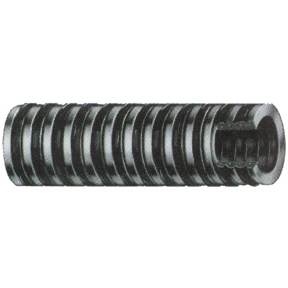
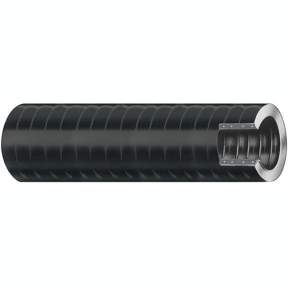
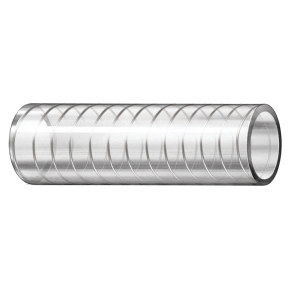
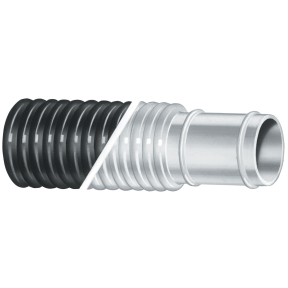
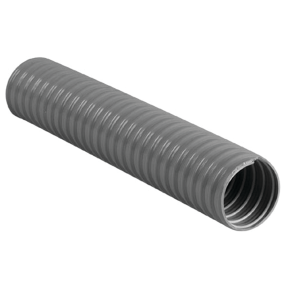
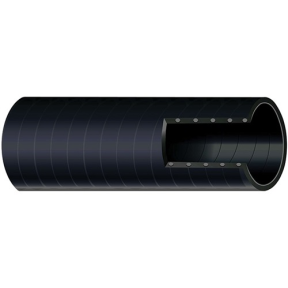
A bilge pump hose is a marine hose that carries bilge water from a pump to a discharge outlet above or through the hull. The hose must stay flexible, resist kinking, and maintain its internal shape while exposed to boat vibration, saltwater, moisture, and engine-space contaminants.
How to Choose the Right Bilge Hose
- Inner diameter: Match the hose ID to the pump outlet and discharge fitting.
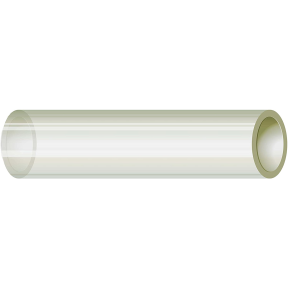
- Bore type: Use smooth-bore hose when pump efficiency and low restriction matter.
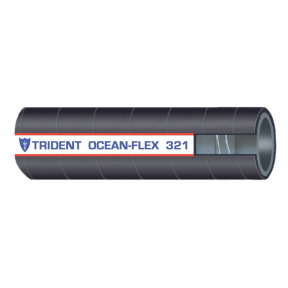
- Material: Select reinforced PVC for flexible routing or rubber for heavier-duty abrasion resistance.
- Reinforcement: Use reinforced hose where suction, bends, or pressure could collapse the hose wall.
- Routing: Keep runs short, straight, and free from low spots that can trap water.
Common Bilge Pump Hose Sizes
| Hose Size | Common Use | Notes |
|---|---|---|
| 3/4 in | Small bilge pumps and compact boat bilge systems | Verify the pump outlet, hose barb, and through-hull ID before installation. |
| 1 1/2 in | Higher-capacity bilge pumps and larger discharge runs | Avoid reducing fittings that create flow restriction or turbulence. |
Materials and Construction
Installation and Maintenance Tips
- Measure the pump outlet, hose barb, and through-hull fitting before choosing hose size.
- Route the hose with the shortest practical run and the fewest bends.
- Use marine-grade stainless steel clamps on hose connections.
- Double-clamp below-waterline connections where the fitting allows it.
- Inspect bilge hose annually for cracks, soft spots, kinks, leaks, and debris.
- Replace hose that feels brittle, swollen, flattened, or blocked.
Frequently Asked Questions
What type of hose is best for a bilge pump?
Smooth-bore reinforced bilge pump hose is usually the best choice for efficient water discharge. The smooth interior reduces friction, while reinforcement helps prevent collapse, kinking, and flow restriction in tight boat bilge spaces.
What size bilge pump hose do I need?
You need bilge pump hose that matches the pump outlet and through-hull fitting. Common marine bilge hose sizes include 3/4 inch for smaller pumps and 1 1/2 inch for higher-capacity systems, but the installed hardware should always determine the final size.
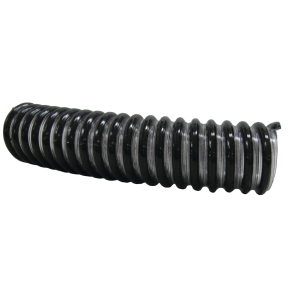
Can I use corrugated hose for a bilge pump?
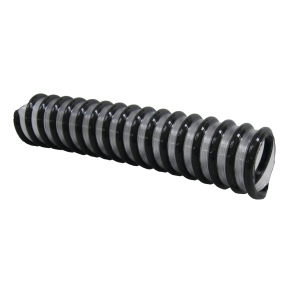
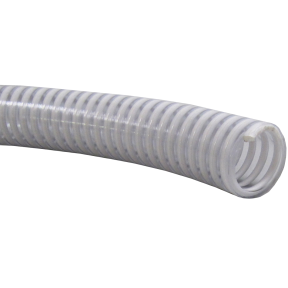
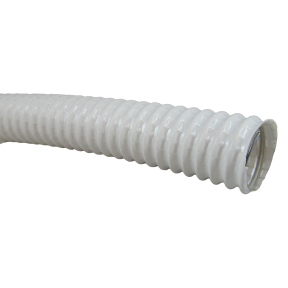
Corrugated hose can be flexible, but smooth-bore bilge hose usually supports better pump output. The ridges inside corrugated hose increase turbulence and friction, which can reduce real-world gallons-per-hour performance in longer or higher-lift runs.
How often should boat bilge hose be inspected?
Boat bilge hose should be inspected at least once per year and after heavy use. Check for cracks, soft spots, kinks, loose clamps, blocked fittings, and hose sections that have flattened or become brittle.
Why does bilge pump hose routing affect pump performance?
Bilge pump hose routing affects performance because long runs, sharp bends, vertical lift, and undersized fittings create resistance. A short, straight, correctly sized hose helps the bilge pump move more water with less flow loss.
Should bilge pump hose connections be double-clamped?
Bilge pump hose connections below the waterline should be double-clamped when the fitting has enough barb length. Use marine-grade stainless steel clamps and place each clamp over the hose barb rather than at the hose end.