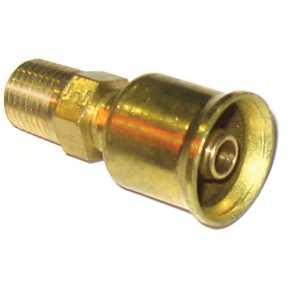
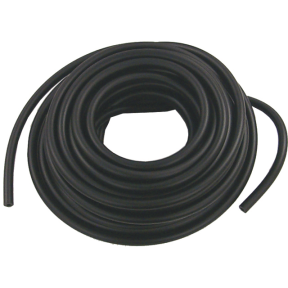

Boat Fuel Hoses and Fittings
Shop marine fuel lines, boat fuel hoses, and fuel line fittings built for safe, reliable fuel delivery in saltwater and freshwater applications. Whether you are replacing an outboard fuel line, upgrading to low-permeation hose, or matching fittings for a tank-to-engine run, choosing the right hose rating, inside diameter, clamps, and corrosion-resistant fittings helps prevent leaks, vapor loss, flow restriction, and premature failure.
Key Takeaways
- Choose fuel hose marked for SAE J1527 or ISO 7840 where applicable.
- Match hose inside diameter to your engine’s fuel demand; 3/8" (9.5 mm) marine fuel line is common for many outboard installations, but always confirm manufacturer requirements.
- Use marine-grade brass or 316 stainless steel fittings for better corrosion resistance.
- Replace fuel lines that are cracked, stiff, swollen, leaking, fuel-smelling, or faded markings.
Marine Fuel Line and Fitting Overview
Boat fuel lines and fittings connect the fuel tank, primer bulb, filters, valves, and engine while containing liquid fuel and vapor in a moving, vibrating, corrosive environment. Unlike general-purpose hose, marine fuel hose is designed for fuel compatibility, permeation resistance, fire performance, and long-term durability around bilges, engines, and exposed cockpit areas.
Fisheries Supply carries marine fuel hose and fittings for repairs, refits, and new installations, including options from trusted brands such as Trident Marine, Moeller, and Sierra.
How to Choose Boat Fuel Hoses and Fittings
1. Confirm the Required Hose Rating
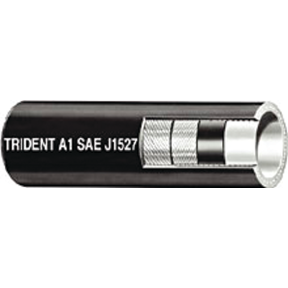
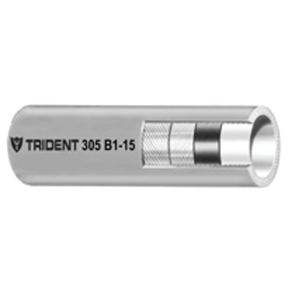
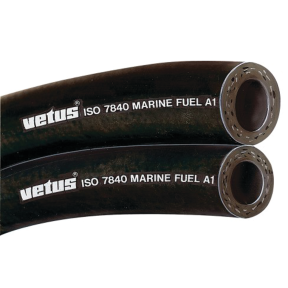
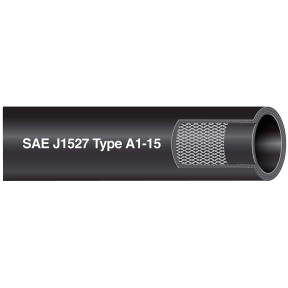
Look for printed hose markings such as “SAE J1527 A1-15” or “ISO 7840 A1/A2,” along with the manufacturer, size, and production information. A1-15 barrier hose is often preferred for fuel feed and vent applications because it offers low permeation and strong fire-resistance performance. For recreational boats, fuel system components generally align with U.S. fuel system regulations and recognized marine standards.
2. Match Hose Size to Engine Demand
Undersized hose can restrict flow, while oversized hose can make routing and sealing harder than necessary. Many outboards use 3/8" fuel line, but higher-horsepower engines, long hose runs, fuel-injected systems, or diesel applications may require a different inside diameter. Compare your current hose markings, engine manual, tank pickup size, filter ports, and fitting barb size before ordering.
3. Select Corrosion-Resistant Fittings
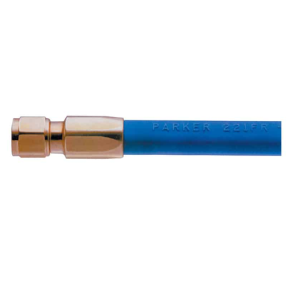
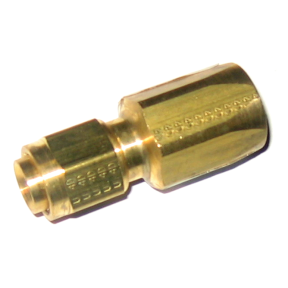
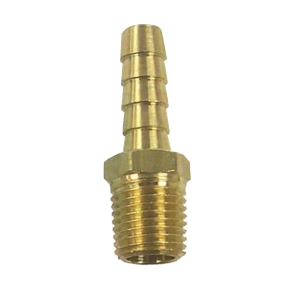
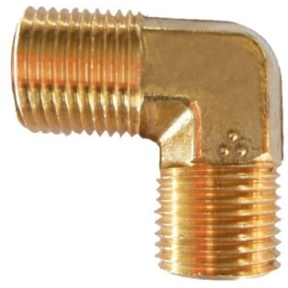
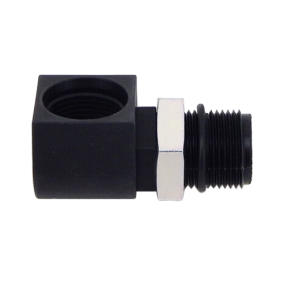
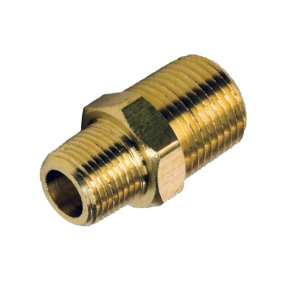
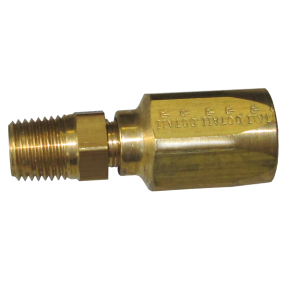
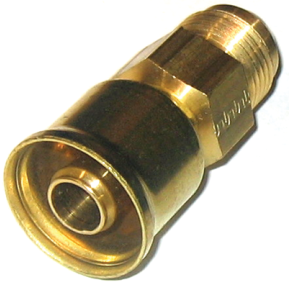
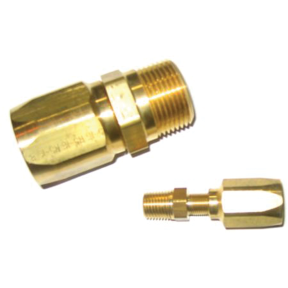
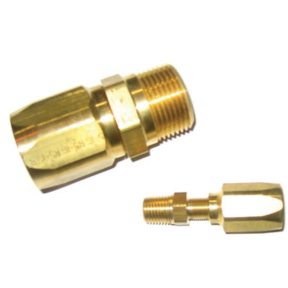
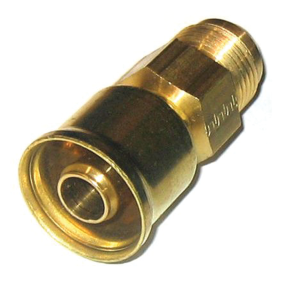
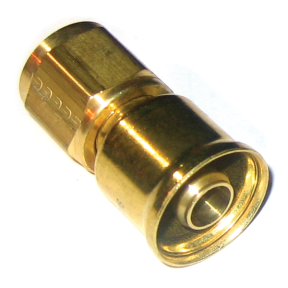
Fuel fittings should match both hose ID and thread type. Marine-grade brass is a practical choice for many fuel systems, while 316 stainless steel offers added protection in harsh saltwater environments. Avoid forcing mismatched NPT, BSP, or flare threads, and do not rely on automotive fittings where marine-rated components are required.
4. Plan Safe Routing and Installation
Route fuel hose away from sharp edges, hot exhaust surfaces, moving parts, and tight bends. Support lines to reduce vibration, use proper marine clamps, and inspect all terminations after installation. If you are also servicing exhaust routing, browse compatible marine exhaust hoses to complete the refit with the correct hose type for each system.
Why Buy Marine Fuel Hose from Fisheries Supply?
Competitor category pages often list fuel line assemblies without explaining hose ratings, sizing, fitting materials, or replacement signals in one place. This guide is designed to help you compare options before you buy, reduce installation errors, and choose marine-grade components with confidence.
- Better fit guidance: understand hose ID, barb size, thread type, and engine flow needs before checkout.
- Marine-grade quality: choose components built for fuel exposure, vibration, vapor control, and corrosion resistance.
- Trusted brand selection: compare Trident Marine, Moeller, Sierra, and related fuel-system products in one category.
- Purchase-ready support: browse the selection, compare options, and replace worn fuel lines before they become a safety issue.
Marine Fuel Hose Brands We Stock
Frequently Asked Questions
What type of fuel hose should I use on a boat?
Use marine fuel hose marked for the correct application, commonly SAE J1527 or ISO 7840. For many gasoline feed and vent lines, A1-15 hose is preferred because it is low-permeation and fire-resistant.
What size fuel line do I need for an outboard motor?
Many outboard motors use 3/8" marine fuel line, but the correct size depends on horsepower, fuel demand, hose length, and engine manufacturer specifications. Always match the hose ID to the engine, tank pickup, filter, and fittings.
Can I use automotive fuel hose on a boat?
Automotive fuel hose should not be used where marine-rated hose is required. Boat fuel hose must handle marine fuel-system standards, vapor control, vibration, fire exposure, and corrosion conditions that automotive hose may not be designed for.
How often should boat fuel lines be replaced?
Replace boat fuel lines when they show cracks, stiffness, swelling, leaks, fuel odor, soft spots, abrasion, or unreadable markings. Older unmarked hose should be upgraded to current marine-rated barrier hose when servicing the fuel system.
What fittings are best for marine fuel lines?
Marine-grade brass and 316 stainless steel fittings are common choices because they resist corrosion and hold up in wet environments. Match the barb size, hose ID, and thread type carefully to prevent leaks.
What does A1-15 mean on marine fuel hose?
A1-15 is a SAE J1527 hose classification indicating low fuel permeation and Type-A fire-test performance. It is commonly used for marine gasoline fuel feed and vent applications where added safety and vapor control are important.