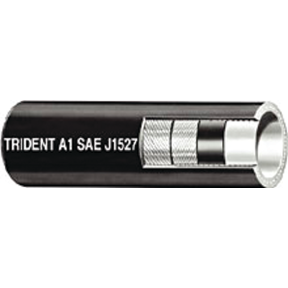
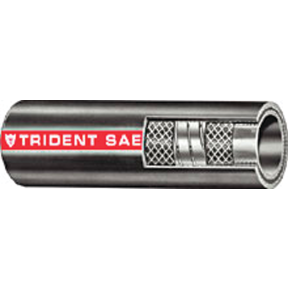
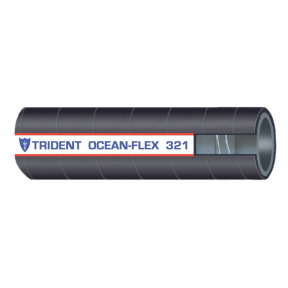
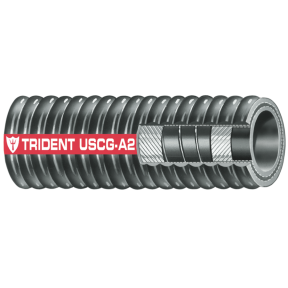
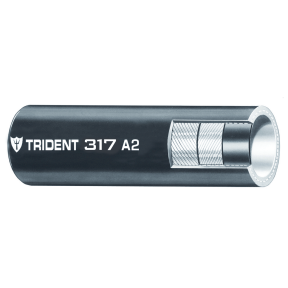
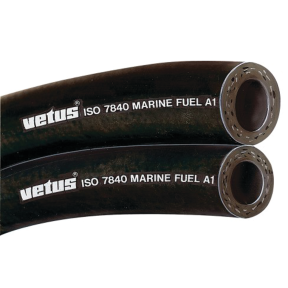
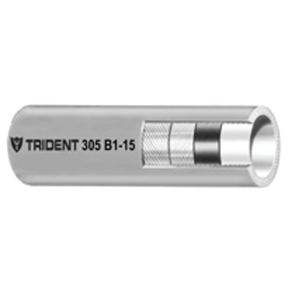
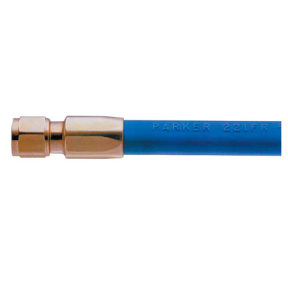

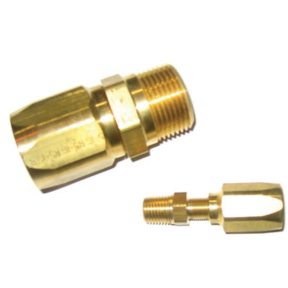
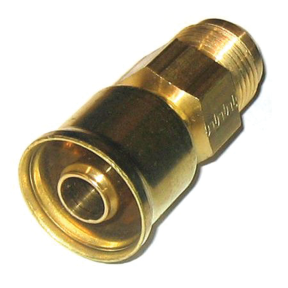
Boat Fuel Hoses and Fittings
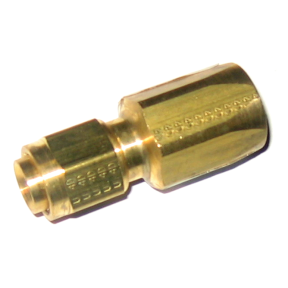
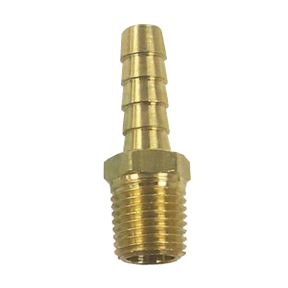
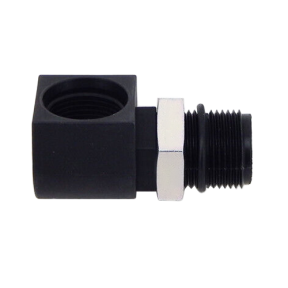
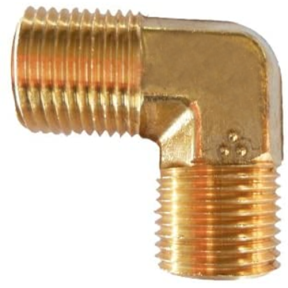
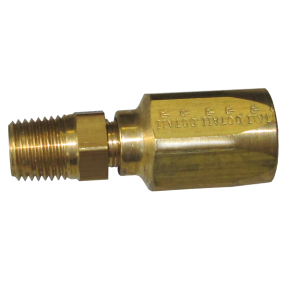
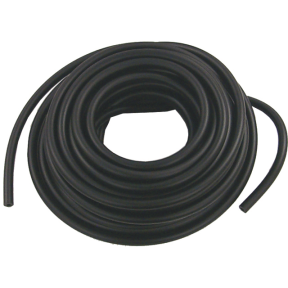
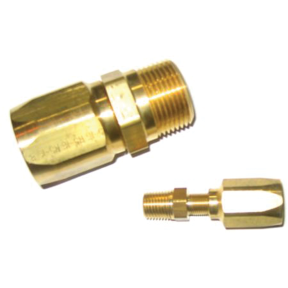
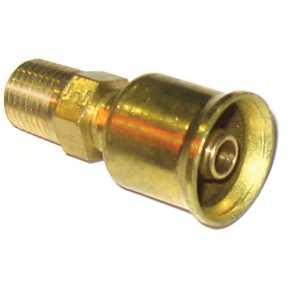
Shop marine fuel lines, boat fuel hoses, and fuel line fittings built for safe, reliable fuel delivery in saltwater and freshwater applications. Whether you are replacing an outboard fuel line, upgrading to low-permeation hose, or matching fittings for a tank-to-engine run, choosing the right hose rating, inside diameter, clamps, and corrosion-resistant fittings helps prevent leaks, vapor loss, flow restriction, and premature failure.
Key Takeaways
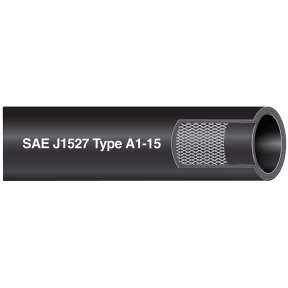
- Choose marine fuel hose marked for SAE J1527 or ISO 7840.
- Match hose inside diameter, barb size, thread type, and engine fuel demand before ordering.
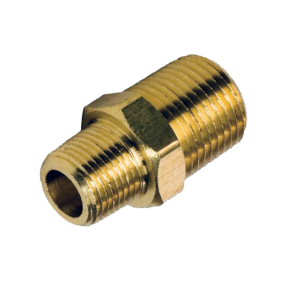
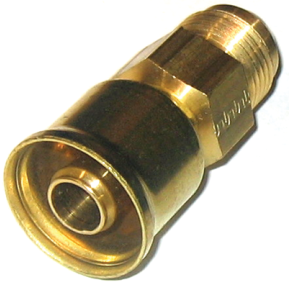
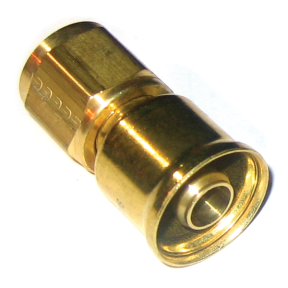
- Common marine fitting materials include brass and 316 stainless steel for corrosion resistance.
- Replace cracked, stiff, swollen, leaking, fuel-smelling, or unreadable fuel hose.
- Use marine-rated clamps and fittings rather than automotive fuel-system parts where marine components are required.
Marine Fuel Line and Fitting Overview
Marine fuel lines and fittings carry liquid fuel and fuel vapor through a moving, vibrating, wet environment. Unlike general-purpose hose, boat fuel hose is built for fuel compatibility, permeation resistance, fire performance, and long-term durability around bilges, engines, tanks, and deck areas.
Fisheries Supply stocks marine fuel hose and fuel-system fittings from brands including Trident Marine fuel hoses, Moeller fuel lines and fittings, and Sierra fuel hose products.
Marine Fuel Hose Selection Guide
| Selection Factor | What to Check | Why It Matters |
|---|---|---|
| Hose rating | SAE J1527, ISO 7840, A1-15, A1, or A2 marking where applicable | Identifies marine fuel compatibility, permeation control, and fire-test performance. |
| Inside diameter | Engine manual, existing hose markings, tank pickup, filter ports, and barb size | Correct fuel flow reduces restriction, air leaks, and poor engine performance. |
| Fitting material | Marine-grade brass or 316 stainless steel | Corrosion-resistant fittings hold up better in wet and saltwater environments. |
| Replacement signs | Cracks, stiffness, swelling, leaks, fuel odor, abrasion, or faded markings | Worn fuel hose can create leaks, vapor loss, and unsafe fuel-system conditions. |
Marine Fuel Hose Brands We Stock
Why Buy Marine Fuel Hose from Fisheries Supply?
- Fit guidance: compare hose ID, barb size, thread type, and engine fuel demand before checkout.
- Marine-grade parts: choose hose and fittings built for fuel exposure, vibration, vapor control, and corrosion resistance.
- Trusted brands: shop Trident Marine, Moeller, Sierra, and related boat fuel-system products in one category.
- Repair-ready selection: replace worn fuel lines before leaks, fuel odor, or flow restriction become larger problems.
Frequently Asked Questions
What type of fuel hose should I use on a boat?
Use marine fuel hose marked for the correct boat application, commonly SAE J1527 or ISO 7840. For many gasoline fuel feed and vent lines, A1-15 hose is preferred because it combines low permeation with Type-A fire-test performance for marine fuel systems.
What size fuel line do I need for an outboard motor?
The correct outboard fuel line size depends on engine horsepower, fuel demand, hose length, and manufacturer specifications. Many outboard motors use 3/8 inch marine fuel line, but you should confirm the engine manual, tank pickup, fuel filter ports, and barb fittings.
Can I use automotive fuel hose on a boat?
Automotive fuel hose should not be used where marine-rated hose is required. Boat fuel hose must meet marine fuel-system needs for vapor control, vibration, fuel exposure, fire performance, and wet operating areas that standard automotive hose may not address.
How often should boat fuel lines be replaced?
Replace boat fuel lines when they show cracks, stiffness, swelling, leaks, fuel odor, soft spots, abrasion, or unreadable markings. Older unmarked hose should be upgraded to current marine-rated barrier hose when servicing tanks, filters, primer bulbs, or engines.
What fittings are best for marine fuel lines?
Marine-grade brass and 316 stainless steel fittings are common choices for boat fuel lines. These materials resist corrosion in wet environments and work well when the barb size, hose inside diameter, and thread type are matched correctly during installation.
What does A1-15 mean on marine fuel hose?
A1-15 is a SAE J1527 marine fuel hose classification for low fuel permeation and Type-A fire-test performance. It is commonly selected for gasoline fuel feed and vent applications where vapor control, safety, and marine fuel compatibility are important.