

Choosing Marine Ventilation and Blower Hoses
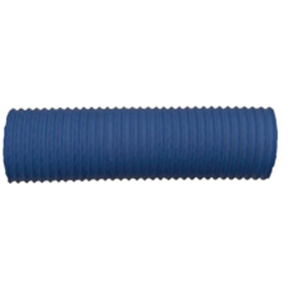
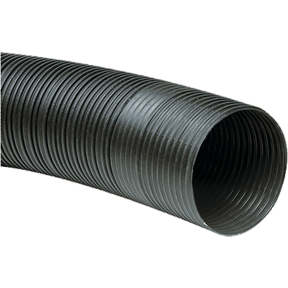
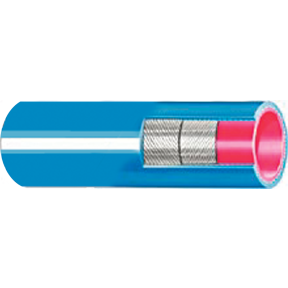
Marine ventilation and blower hoses carry air through bilge ventilation systems, engine rooms, cabin spaces, and heater ducting. Choose hose diameter, material, and reinforcement to suit the connected equipment, operating conditions, and installation route.
What to Know
- Identify whether the hose is for bilge ventilation, engine-room airflow, cabin ventilation, or heater ducting.
- Match the hose inside diameter to the blower and connecting fittings.
- Check the individual hose specifications for the expected heat, oil, moisture, and abrasion exposure.
- Consider reinforcement and flexibility together when planning bends and longer runs.
Where Marine Ventilation Hoses Are Used
The application determines which hose properties matter. A hose carries airflow as part of a ventilation system; selecting the hose alone does not establish the system's safety or performance.
| Application | Purpose | What to select |
|---|---|---|
| Bilge ventilation | Carry airflow used to help remove fuel vapors from enclosed spaces. | Match the blower connections and check suitability for the installation environment. |
| Engine rooms and machinery spaces | Move warm air through the ventilation system. | Check temperature suitability and resistance to expected oil or chemical exposure. |
| Cabin ventilation | Circulate air to help reduce damp conditions. | Choose dimensions and flexibility suited to the duct route. |
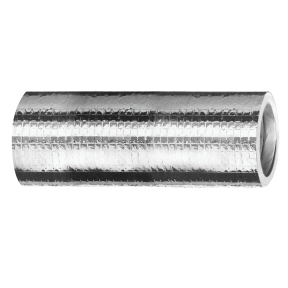
| Heater ducting | Distribute heated air. | Confirm that the hose is suitable for the heater and its operating temperatures. |
Hose Materials and Reinforcement
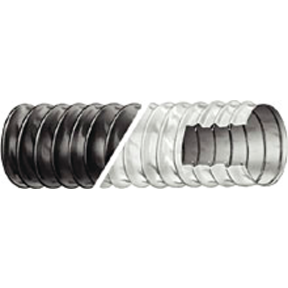
Material and construction affect flexibility, abrasion resistance, and durability. Wire reinforcement is a construction feature, so compare it alongside the hose material rather than treating it as a separate material choice.
| Material or feature | Selection option | What to confirm |
|---|---|---|
| PVC (polyvinyl chloride) | A lightweight, flexible option for general ventilation runs. | The individual product's suitability for the operating conditions. |
| Vinyl-coated polyester fabric | Compare flexibility and abrasion resistance for the planned route. | Whether its construction suits contact points and available installation space. |
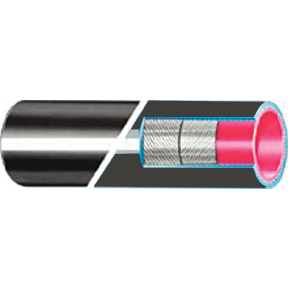
| Rubber | Evaluate where heat or chemical exposure affects selection. | The specific product's temperature and chemical resistance; material alone does not establish suitability. |
| Wire reinforcement | Helps support the hose shape where kinking or collapse is a concern. | Flexibility and routing limits; reinforcement does not make every tight bend suitable. |
Match Diameter and Routing to Your Equipment
- Identify the application. Establish which space or equipment the hose will serve.
- Confirm the inside diameter. Match the blower, flange fittings, and existing ducting. Select a 3-inch or 4-inch hose only when that diameter matches the equipment requirements; boat size alone is not a sizing rule.
- Check material suitability. Review the individual hose specifications for heat, oil, moisture, and other expected exposure.
- Plan the route. Consider available space, bends, and run length. Choose flexibility and reinforcement that help maintain an open airflow path.
Inspect Existing Hoses Before Replacing Them
Check for cracks, brittle areas, and loose connections at the flanges. Replace damaged hose and address insecure connections rather than relying on deteriorated ducting to carry ventilation airflow.
Compare Marine Hose and Ducting Options
Compare options from Trident Marine, Vetus, and Heater Craft by their individual specifications. Keep bilge ventilation, engine-room ventilation, and heater ducting requirements distinct when choosing a replacement.
Frequently Asked Questions
What materials are marine ventilation hoses made from?
Marine ventilation hoses are typically made from flexible, abrasion-resistant plastics, rubber, or wire-reinforced compounds designed to withstand marine environments.
Can a household dryer hose be used for marine ventilation?
No. Marine-grade ventilation hoses are thicker and more resistant to abrasion, oil, and heat, and they maintain their shape better than standard dryer hoses, making them safer for onboard use.
Why should I use marine-grade ventilation hose instead of a standard dryer vent?
Marine-grade hoses are specifically engineered to withstand the demanding conditions of a boat, including exposure to oil, chemicals, and saltwater. Unlike standard dryer vents, they are typically thicker and more durable, ensuring they maintain their shape and do not collapse under pressure or vibration. This is critical for safety, as it prevents the buildup of dangerous fumes or carbon monoxide in enclosed spaces.
What are the most common sizes for boat blower and ventilation hoses?
The most common sizes for recreational marine applications are 3-inch and 4-inch internal diameters (I.D.). Smaller boats often utilize 3-inch hoses, while larger boats or high-capacity bilge blowers typically require 4-inch hoses to ensure adequate airflow. It is essential to match the hose diameter to your specific blower and flange fittings to maintain system efficiency.
When should I choose wire-reinforced ventilation hose over standard PVC?
Wire-reinforced hoses are ideal for installations involving sharp bends or long runs where a standard hose might kink or collapse. The internal wire helix provides crush resistance and ensures the hose maintains its full diameter, which is vital for providing consistent, unrestricted airflow to remove heat and fumes from engine compartments.
How often should I inspect and replace my marine ventilation hoses?
You should inspect your ventilation hoses at least once a season for signs of wear, such as cracks, brittle spots, or loose connections at the flanges. Because these hoses are critical for removing toxic gas and preventing explosions in gasoline engine compartments, they should be replaced immediately if any physical degradation is found or after any major engine overheat event.
Can these ventilation hoses be used for wet exhaust systems?
No, standard ventilation and blower hoses are designed for air movement and are not rated to handle the high temperatures, water pressure, or corrosive gasses found in a wet exhaust system. For exhaust applications, you must use hoses that meet SAE J2006 or ISO 13363 standards, which are specifically built for wet exhaust service.