Marine Antennas for Reliable VHF, AIS, GPS & Boat Radio Communication
Shop marine antennas, mounts, cables, and accessories built for dependable communication on the water. Whether you need a marine VHF antenna for ship-to-shore radio, an AIS antenna for tracking traffic, or a GPS antenna for navigation electronics, Fisheries Supply carries marine-grade options designed for range, corrosion resistance, and long service life.
Key Takeaways
- Height matters: VHF signals travel line-of-sight, so a taller antenna mounted higher typically improves range.
- Choose gain by boat type: Higher dB antennas can extend reach on larger or offshore boats, while lower-gain antennas are often better for smaller boats in rolling seas.
- Do not overlook the system: Coaxial cable, connectors, mounts, and placement affect performance as much as the antenna itself.
- Marine-grade construction is essential: Look for waterproof housings, stainless steel, brass, copper, and durable fiberglass components built for saltwater exposure.
Marine Antenna Category Overview
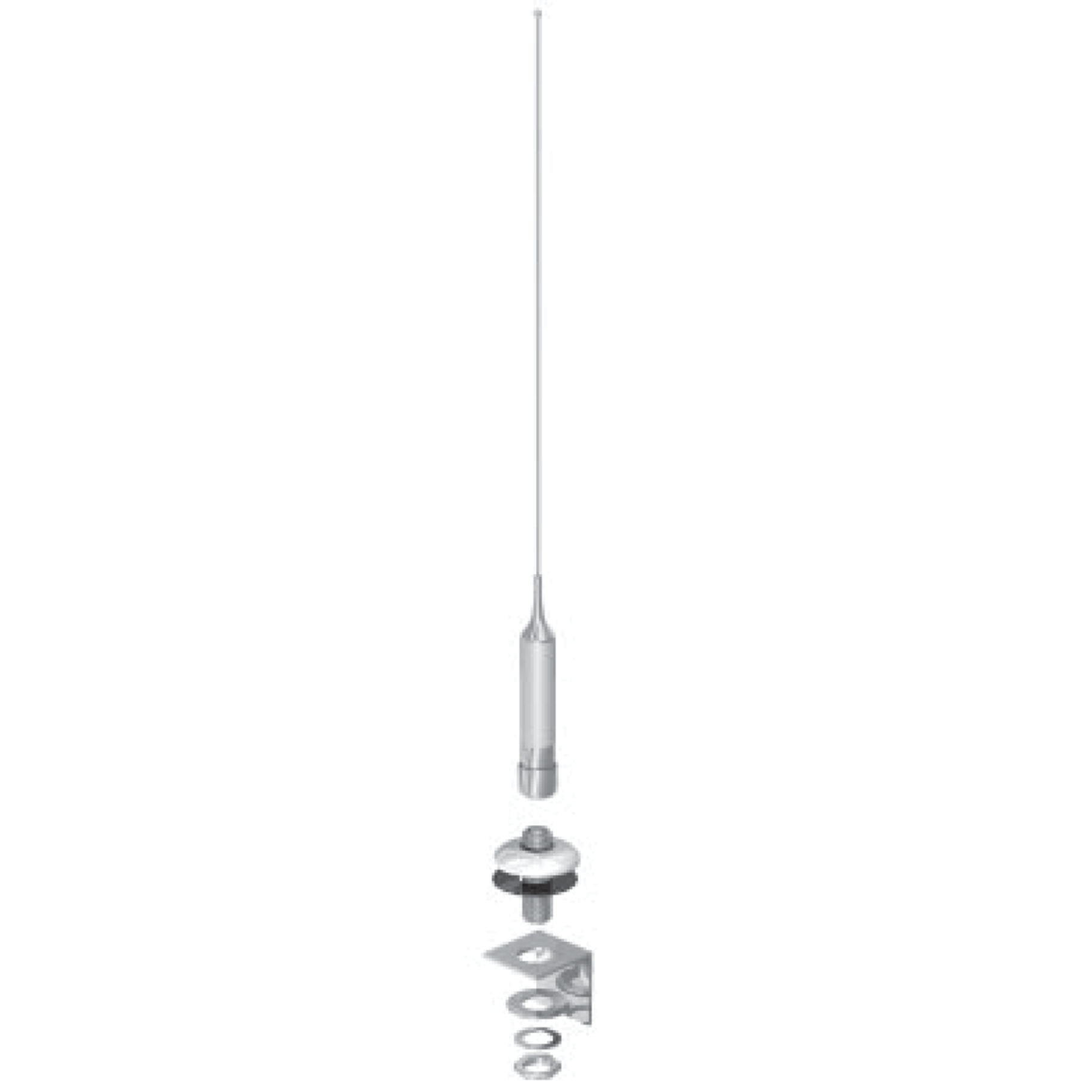
Marine VHF antennas are one of the most important safety and communication upgrades on a boat. A quality marine radio antenna helps your VHF radio transmit clearly to nearby boats, marinas, bridges, and emergency channels when cell coverage is unreliable offshore or in remote areas.
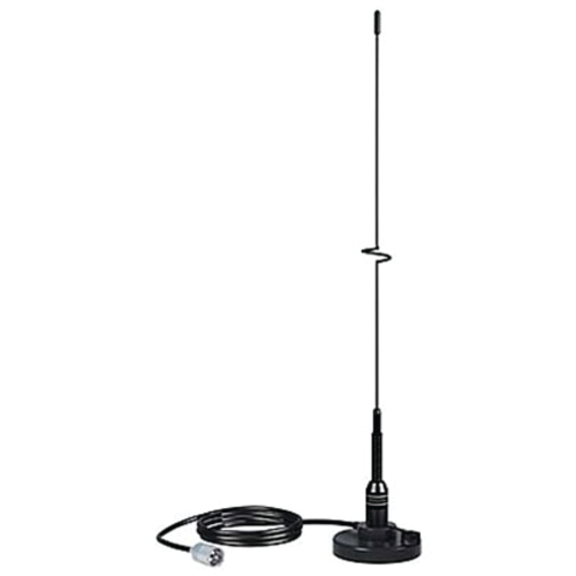
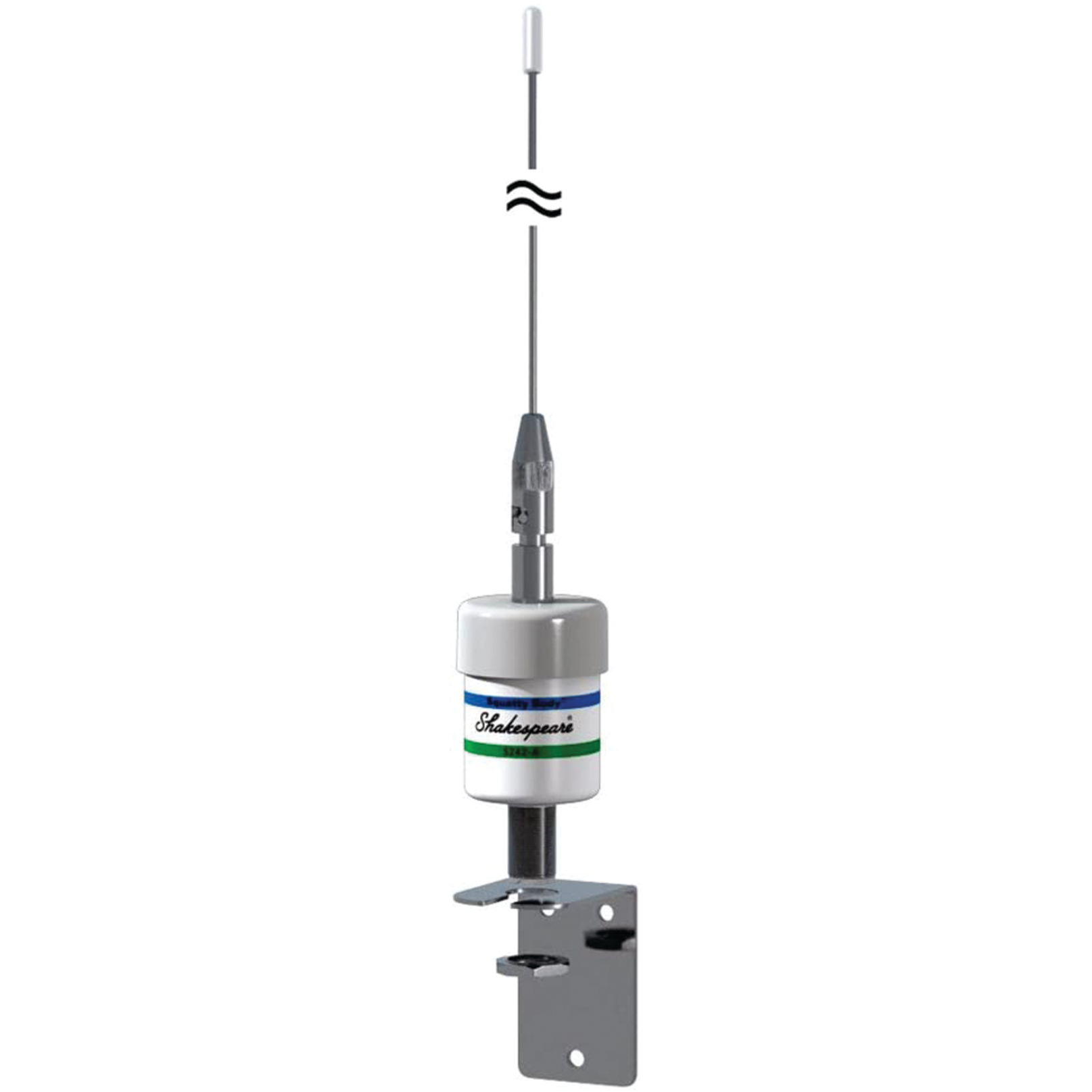
Fisheries Supply offers boat antennas for VHF, AIS, GPS, AM/FM, TV, and SSB applications. Browse trusted options including Shakespeare VHF marine antennas, plus the mounts, cable assemblies, connectors, fittings, and extensions needed for a clean installation.
How to Choose the Best Marine VHF Antenna for Your Boat
The best marine VHF antenna depends on your boat size, mounting location, communication needs, and sea conditions. Start with antenna height, then match gain, construction, cable quality, and mounting hardware to your setup.
- Match Antenna Height to Your Range Needs: Because VHF communication is mostly line-of-sight, taller antennas and higher mounting points usually provide better range. An 8-foot marine radio antenna is a common choice for many powerboats, while sailboats often mount antennas at the masthead for maximum height. Smaller boats may need compact antennas that fit rails, consoles, or hardtops.
- Understand Antenna Gain:Gain is measured in decibels (dB). Higher-gain antennas concentrate the signal into a flatter pattern, which can help on larger, more stable boats. Lower-gain antennas create a broader signal pattern that can perform better on sailboats or smaller vessels that pitch and roll. For many recreational powerboats, a balanced 6 dB VHF marine antenna is a practical choice.
- Choose Marine-Grade Materials: Salt, UV, vibration, and moisture are tough on electronics. Look for antennas and accessories made with waterproof housings, fiberglass elements, stainless steel, brass, copper, and quality coaxial cable. These materials help protect signal quality and reduce corrosion-related failures.
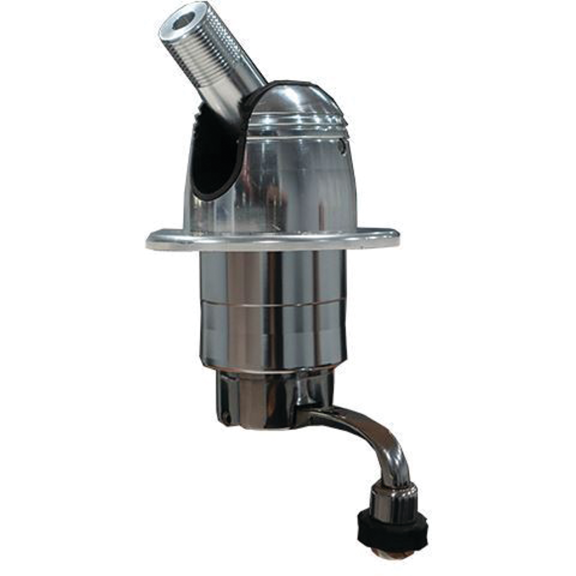
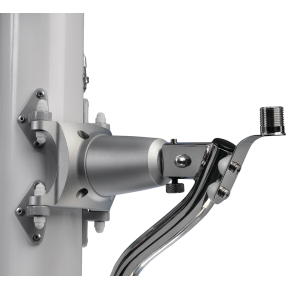
- Plan the Mount, Cable, and Connectors:A strong antenna installation includes more than the antenna itself. Rail mounts, ratchet mounts, deck mounts, extension masts, PL-259 connectors, and RG-58 or RG-8X coax all influence performance and durability. Keep cable runs as short and clean as practical, avoid sharp bends, and use corrosion-resistant fittings for dependable signal transmission.
Which Marine Antenna Type Do You Need?
- Marine VHF antenna: Best for VHF radio communication, distress calling, marina contact, and boat-to-boat communication.
- AIS antenna: Supports Automatic Identification System transmitters and receivers for vessel tracking and collision awareness.
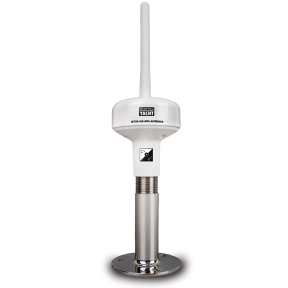
- GPS antenna: Helps chartplotters and navigation systems maintain accurate positioning.
- AM/FM or TV antenna: Improves onboard entertainment reception.
- SSB antenna: Used for longer-distance communication on properly equipped vessels.
Not sure whether to replace only the antenna or the full antenna system? If your VHF radio has reduced range, intermittent reception, corrosion at the connector, or damaged fiberglass, compare replacement marine antennas, mounts, and cable assemblies before your next trip.
Related Marine Electronics & Resources
For more technical guidance, read our article on understanding marine antennas. You can also browse VHF radios to complete your communication system or compare boat cell phone boosters for additional connectivity on board.
Shop now to compare marine radio antennas, VHF antenna mounts, cable assemblies, and accessories from proven marine brands.
Frequently Asked Questions
What is the best marine VHF antenna for most boats?
For many recreational powerboats, an 8-foot fiberglass marine VHF antenna with balanced gain is a strong all-around choice. Smaller boats may need a compact rail-mounted antenna, while sailboats often benefit from masthead mounting for maximum height.
How do I choose a marine radio antenna?
Choose a marine radio antenna by matching height, gain, mounting location, cable type, and construction to your boat. Prioritize clear line-of-sight placement, marine-grade materials, waterproof design, and compatible coaxial cable and connectors.
How do I install a marine radio antenna?
Mount the antenna as high and unobstructed as practical, secure it with the correct rail, deck, or ratchet mount, then run marine-grade coaxial cable to the radio. Avoid sharp cable bends, protect connections from corrosion, and follow the antenna manufacturer’s instructions.
How do I test a marine VHF antenna?
You can test a marine VHF antenna by checking cable and connector condition, confirming the antenna is securely mounted, and performing a radio check on an appropriate channel. For deeper diagnostics, a qualified technician can measure standing wave ratio to identify signal loss or installation issues.
Do marine antennas need special cables or connectors?
Yes. Marine antennas typically use coaxial cable such as RG-58 or RG-8X with durable connectors such as PL-259 or N-type connectors. Marine-grade cable and corrosion-resistant fittings help preserve signal strength in wet, salty environments.
When should I replace a boat antenna?
Replace a boat antenna if it has cracked fiberglass, corrosion, loose fittings, damaged coax, intermittent reception, or reduced transmit range. Replacing the antenna and worn cable together can often restore more reliable communication.