Marine Autopilots and Parts at Fisheries Supply
Fisheries Supply's range of marine autopilot kits and parts ensures that you have the tools you need to navigate with confidence.
Key Takeaways
- Marine autopilots reduce operator workload, improve safety, and enhance navigation by automatically maintaining course.
- Three primary autopilot types exist—tiller, wheel, and hydraulic—each suited to different steering systems and vessel sizes.
- Selecting the right autopilot depends on boat size, steering type, desired features, and budget considerations.
- Autopilots provide major benefits including improved efficiency, reduced fatigue, and seamless integration with GPS and wind sensors.
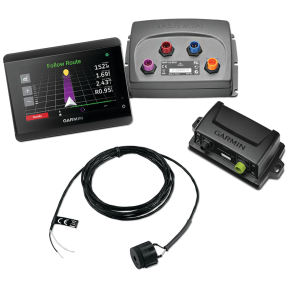
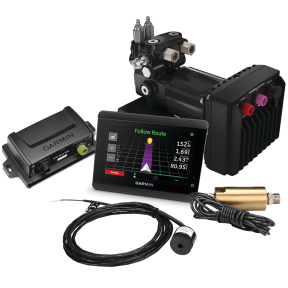
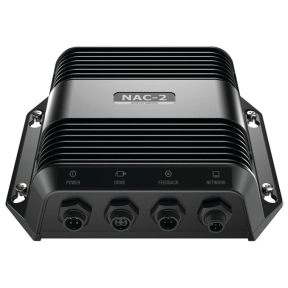
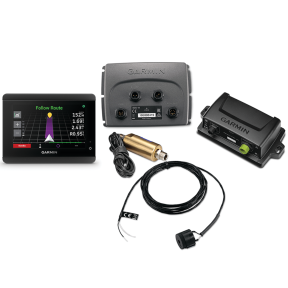
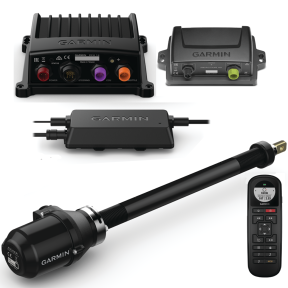
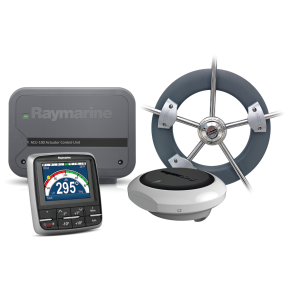
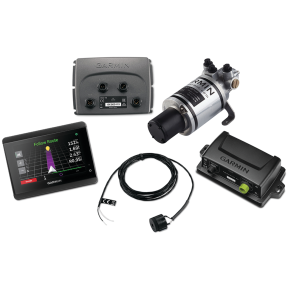
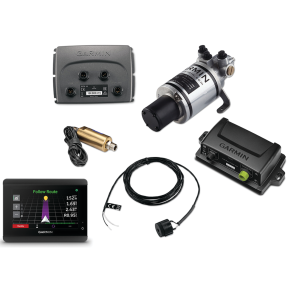
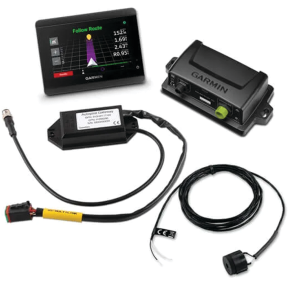
- Complete autopilot systems typically include a core pack, drive unit, and control head, though not all require a rudder feedback sensor.
What Are Marine Autopilots?
Marine autopilots are self-steering devices that utilize input from sensors, compasses, and GPS to automatically control the steering of a boat or ship. These systems are designed to reduce workload and fatigue, improve fuel efficiency, and enhance overall safety and navigation. With the ability to hold a steady course in light to moderate conditions, marine autopilots are an important component for any sailor or powerboat operator.Types of Boat Autopilots
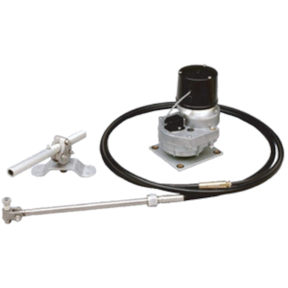
There are several types of marine autopilots available, each catering to specific needs and boat types.- Tiller Pilots: Designed for smaller boats and sailboats, tiller pilots are simple, self-contained systems that use a mechanical connection to the tiller to steer the boat.
- Wheel Pilots: Suitable for larger boats and powerboats, wheel pilots use an on-deck motor connected to the steering wheel to steer the boat.
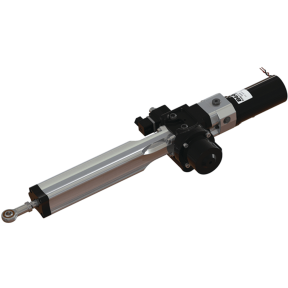
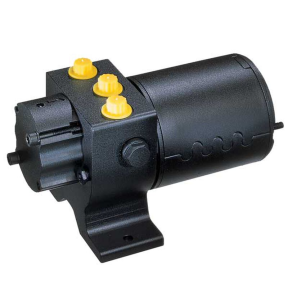
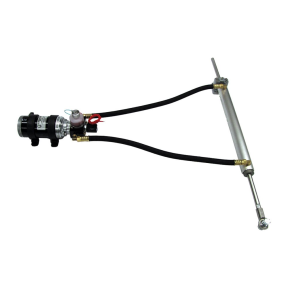
- Hydraulic Pilots: These systems use hydraulic pressure to control the steering of the boat from below deck, making them ideal for larger vessels.
Choosing the Right Autopilot System
When selecting an autopilot for boats, it's essential to consider several factors, including:- Boat Size and Type: Different boat autopilot systems are designed for specific boat sizes and types. Make sure that the system you choose is compatible with your boat. Sailboat autopilots offer different features than outboard autopilots
- Steering System: The type of steering system on your boat will impact the choice of autopilot. For example, a tiller pilot may be more suitable for a sailboat with tiller steering.
- Budget: Autopilot systems vary significantly in price, so it's important to evaluate the features available or or consider used or refurbished units.
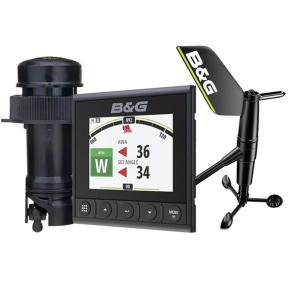
- Features and Integration: Consider features you need, such as GPS integration, wind vane support, and course computer capabilities. Ensure that the system you choose integrates seamlessly with your existing boat electronics.
Benefits of Marine Autopilots
Marine autopilots offer numerous benefits, including:- Improved Safety: Marine autopilot systems can help prevent accidents caused by human error, such as drifting off course.
- Increased Efficiency: By maintaining a steady course, autopilots can reduce fuel consumption and improve overall boat performance.
- Reduced Fatigue: Auto pilots for a boat can significantly reduce the fatigue associated with manual steering, allowing sailors and powerboat operators to focus on other tasks.
- Enhanced Navigation: Autopilots can be integrated with GPS, wind vanes, and other navigation systems to provide more accurate navigation, especially for short handed boating.
Frequently Asked Questions
What are the main types of marine autopilot systems available for boats?
Marine autopilots are typically categorized by the steering mechanism they control. The main types include: Tiller Pilots (for smaller vessels and sailboats with tiller steering), Wheel Pilots (which connect to the steering wheel of larger boats and powerboats), and Hydraulic Pilots (which use a below-deck ram to control the hydraulic steering system on larger vessels).
What factors are most important when selecting the right autopilot for my vessel?
When choosing a system, you must primarily consider the type of steering system your boat has (tiller, wheel, or hydraulic) and your boat's size and weight. Autopilots are rated for a maximum boat weight, and the steering mechanism must be compatible. Additionally, consider the features you need, such as GPS or wind vane integration, which are crucial for enhanced navigation.
What are the essential components of a complete autopilot system?
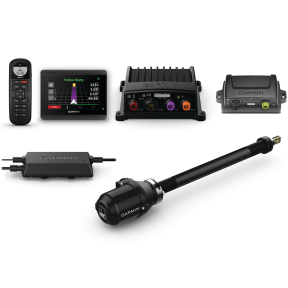
A complete system typically consists of three main parts:
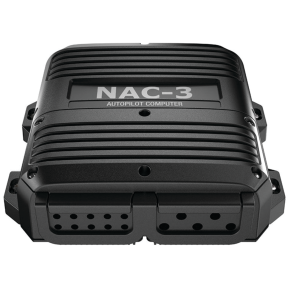
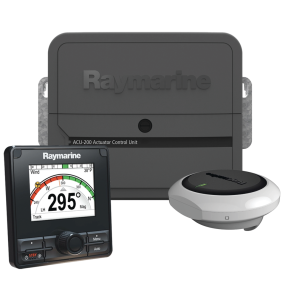
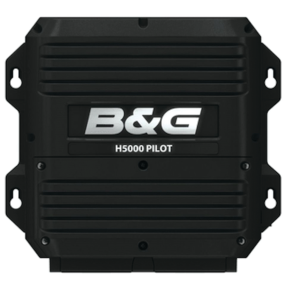
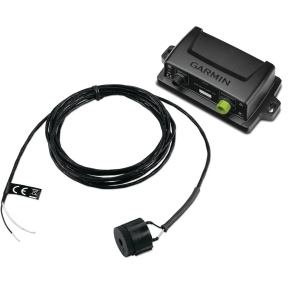
- The Core Pack (or course computer), which is the "brain" that receives data from sensors and navigation instruments.
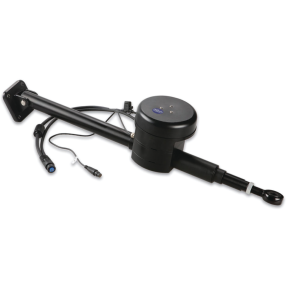
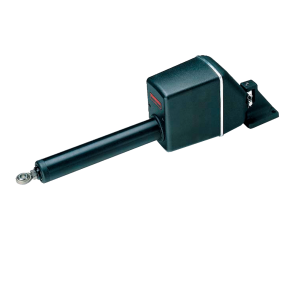
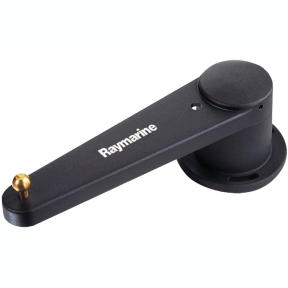
- The Drive Unit (electric motor or hydraulic ram), which provides the physical power to move the rudder or wheel.
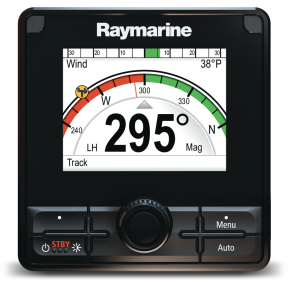
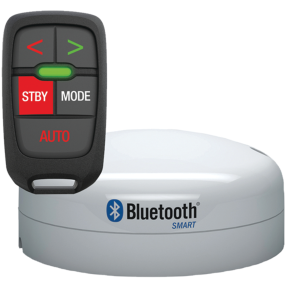
- A Control Head or Display, which allows the operator to input courses and monitor the system.
What key benefits do marine autopilots offer for navigation and operation?
Installing a quality autopilot provides several significant benefits. It dramatically reduces fatigue for the operator on long journeys, improves safety by maintaining a steady course, and increases efficiency (often reducing fuel consumption) by steering more accurately than manual control. It also enhances navigation by allowing seamless integration with GPS and other electronic systems.
Is a rudder feedback unit a required component for all modern autopilot installations?
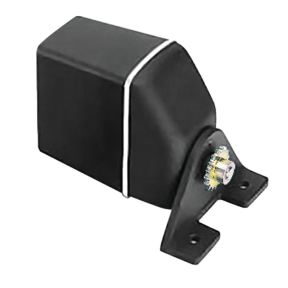
Not all autopilots require a dedicated rudder feedback unit. While a rudder feedback unit provides highly accurate information about the rudder's exact position to the course computer, some of the newer, more advanced autopilot models use sophisticated internal sensors and algorithms within the core pack to determine and manage the rudder's position.