
Marine Caulk and Sealants: Essential Products for Boat Maintenance
Routine maintenance is one of the most effective ways boat owners protect their boats from water intrusion, corrosion, and long-term wear. Marine caulk and sealants are a core part of that work, providing reliable sealing and bonding in areas exposed to vibration, moisture, and sunlight.
What To Know
- Marine caulks and sealants protect boats from water intrusion.
- Marine-grade products are formulated for demanding, high-movement environments.
- Different sealant types serve specific bonding and sealing roles.
- Choosing the correct product improves durability.
Unlike household products, marine-grade sealants are formulated to bond and protect common onboard materials such as wood, metal, fiberglass, and plastic. They are used to seal seams, waterproof fasteners, bond hardware, and fill small gaps where water could otherwise enter.
Key Features of Marine Caulking Products
Marine caulks and sealants are designed to perform in demanding marine environments. While formulations vary by product type, most marine-grade options share several essential characteristics.
- Waterproof performance that creates a dependable barrier against moisture intrusion.
- Flexibility that allows movement without cracking or losing adhesion.
- UV resistance to reduce breakdown from prolonged sun exposure.
- Chemical resistance to fuels, cleaners, bleach, and common onboard solvents.
These properties allow marine sealants to remain effective in areas subject to vibration, temperature changes, and constant exposure to the elements.
Types of Marine Adhesives and Sealants
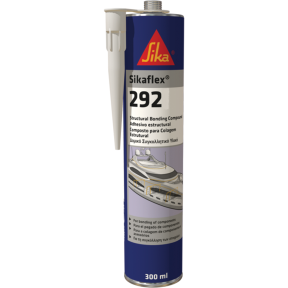
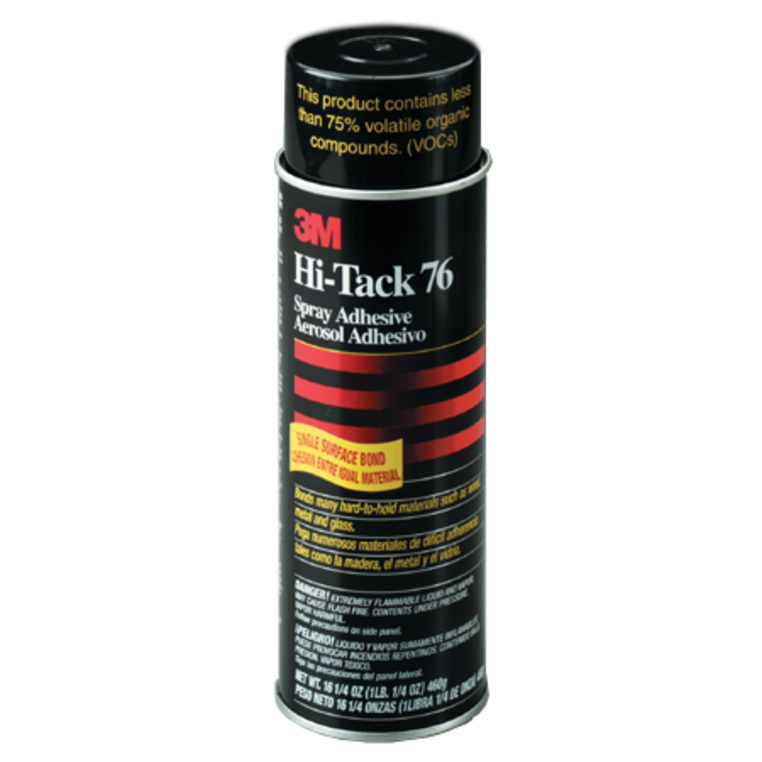
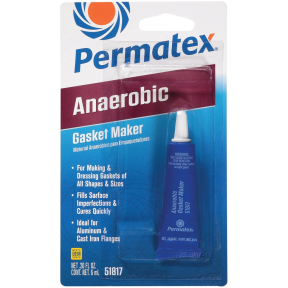
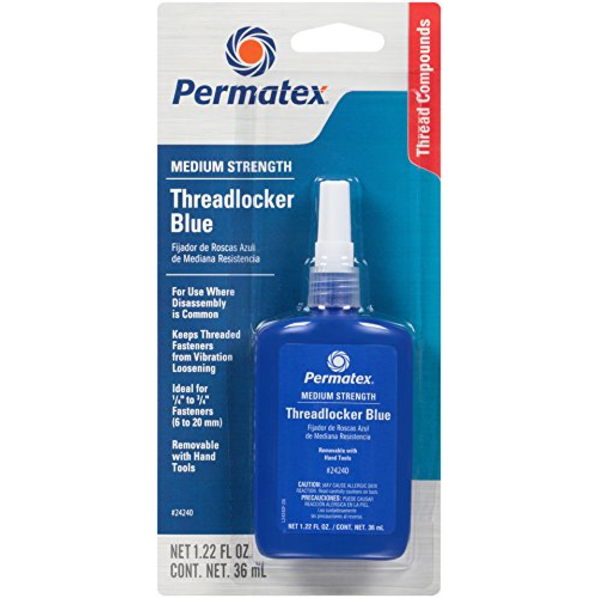
Fisheries Supply carries a broad range of marine adhesives and sealants to support maintenance, repair, and installation work across many boat types.
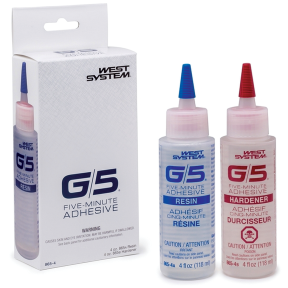
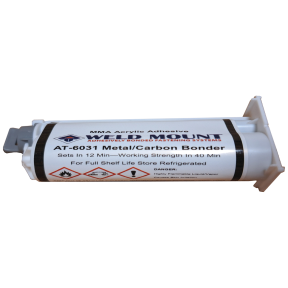
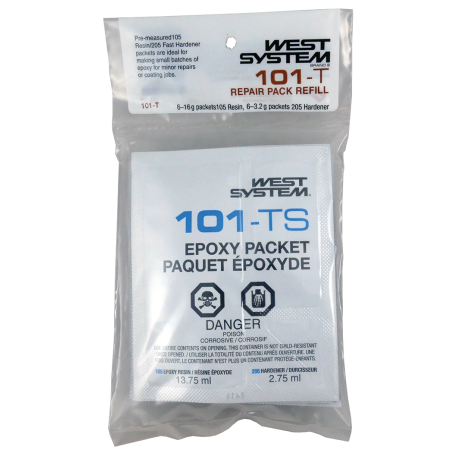
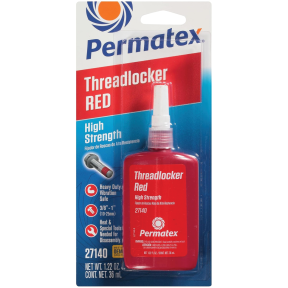
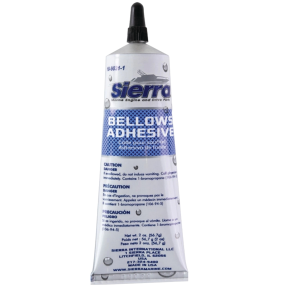
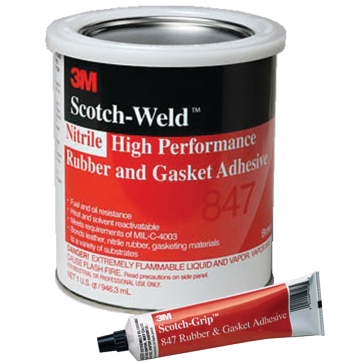
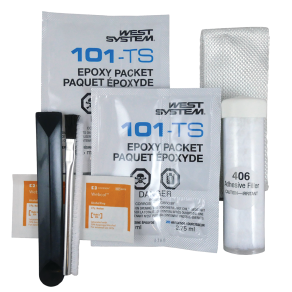
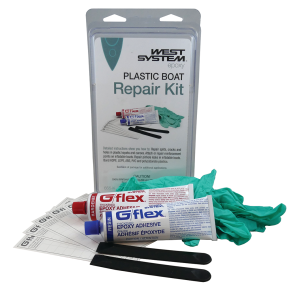
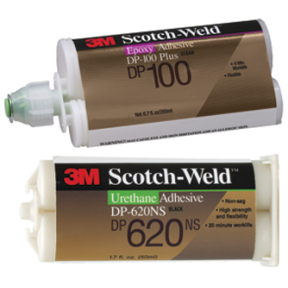
- Epoxy adhesives for high-strength, permanent bonds once fully cured.
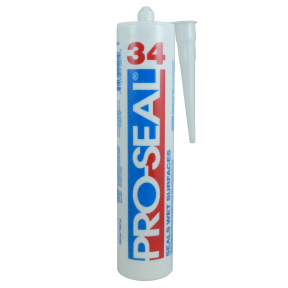
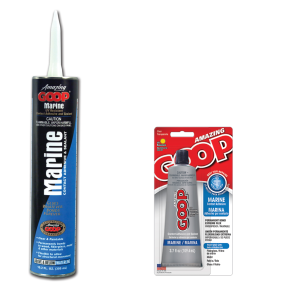
- Marine adhesive sealants, including products such as 3M 5200 adhesive sealant, commonly used for sealing and bedding hardware.
- Silicone sealants that provide flexible, waterproof seals where easy removal may be needed.
- Polyurethane sealants that deliver durable, paintable bonds for long-term installations.
- Marine window sealants designed for watertight installation of ports, hatches, and windows.
Each category serves a different purpose, and selecting the correct type helps ensure reliable performance over time.
Choosing the Right Boat Caulking Product
Selecting the correct marine caulk or sealant depends on how and where it will be used. A product that works well for deck hardware may not be suitable below the waterline or for structural bonding.
- Materials being bonded or sealed.
- Application location, including above or below the waterline.
- Curing time requirements, whether fast or extended.
- Desired strength, flexibility, and removability.
- Compatibility with paint or other surface finishes.
Our experienced staff can help match the right product to specific maintenance or installation projects, reducing rework and long-term issues.
Frequently Asked Questions
What is the difference between marine adhesives and marine sealants?
Marine adhesives are primarily intended to bond materials together, while marine sealants focus on creating watertight, flexible seals. Some marine products are formulated to provide both bonding and sealing functions at the same time.
Which type of marine sealant is best for underwater applications?
Polyurethane-based adhesive sealants, such as 3M 5200, are commonly used for underwater applications because they provide strong bonding and reliable watertight sealing once cured.
What is butyl tape used for in marine applications?
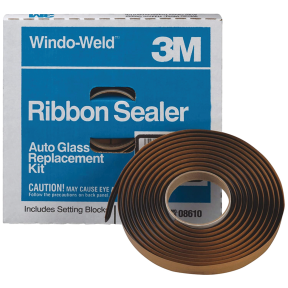
Butyl tape is used for bedding deck hardware, sealing fastener holes, and creating watertight seals. It remains pliable, resists UV exposure, and can be removed more easily than many cured sealants.
How do I choose between a polyurethane, polysulfide, or silicone sealant?
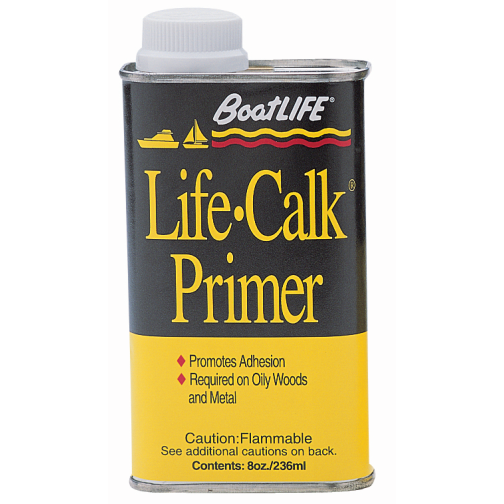
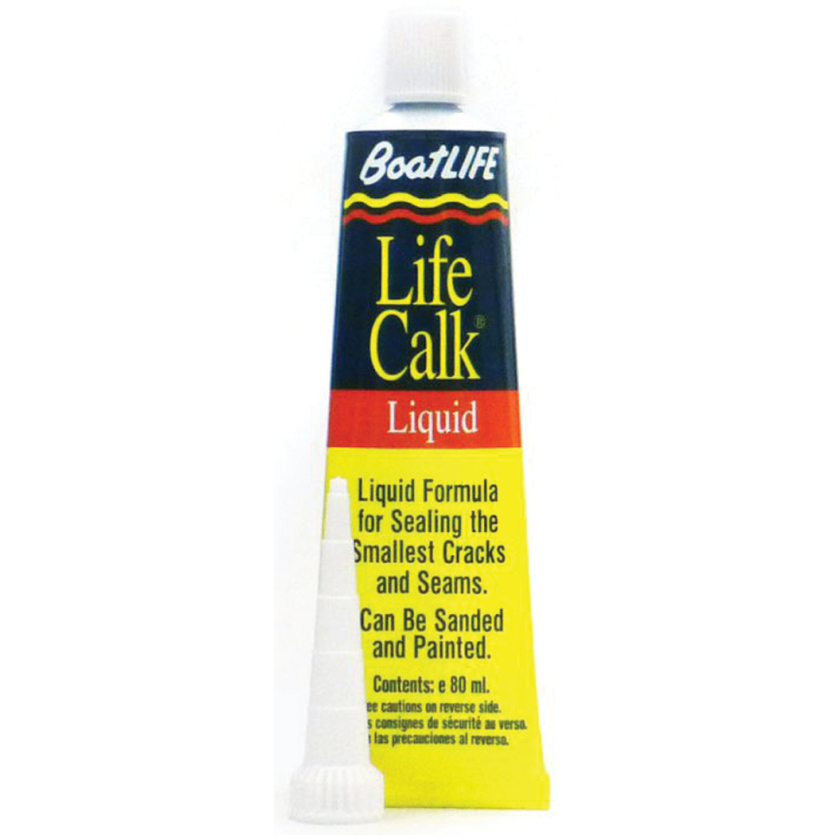
Choice depends on the application and material compatibility. Polyurethanes (like 3M 5200) offer maximum strength for structural bonding but are difficult to remove. Polysulfides (like Life-Calk) are versatile for wood and metal but can damage some plastics. Silicones are excellent for windows and insulating dissimilar metals because they are flexible and chemical-resistant, though they generally have lower adhesive strength and cannot be painted.
Can all marine sealants be used below the waterline?
No. Only specific formulations are rated for permanent water immersion. Polyurethane-based adhesive sealants are typically recommended for through-hull fittings and hull-to-deck joints. Standard silicones and many light-duty sealants are better suited for above-the-waterline applications like deck hardware or windows, as they may swell or lose adhesion if constantly submerged.
Why is material compatibility important when choosing a sealant?
Certain sealants contain solvents or chemicals that can react poorly with specific substrates. For example, polysulfides and some polyurethanes can cause plastics like Lexan, ABS, or acrylic to crack or craze. Always verify that your chosen sealant is safe for the materials you are bonding, especially when working with plastic deck fittings or portlights.
What is the difference between "Fast Cure" and standard marine sealants?
The difference lies in the tack-free and full cure times. A standard sealant like 3M 5200 may take 5 to 7 days to fully cure, which is ideal for large projects requiring long working times. "Fast Cure" versions are formulated to become tack-free in about an hour and reach full strength within 24 to 48 hours, making them better for quick repairs or projects with shorter maintenance windows.
Should I use a permanent adhesive for bedding deck hardware?
Generally, no. For items that may need future maintenance or replacement, such as cleats or winches, it is better to use a medium-strength sealant like 3M 4200 or a non-bonding option like Butyl Tape. Using a permanent adhesive like 5200 for these applications can make removal extremely difficult and may result in damage to the fiberglass or gelcoat during disassembly.