Restore and Maintain Your Boat’s Finish with Marine Polishing Products
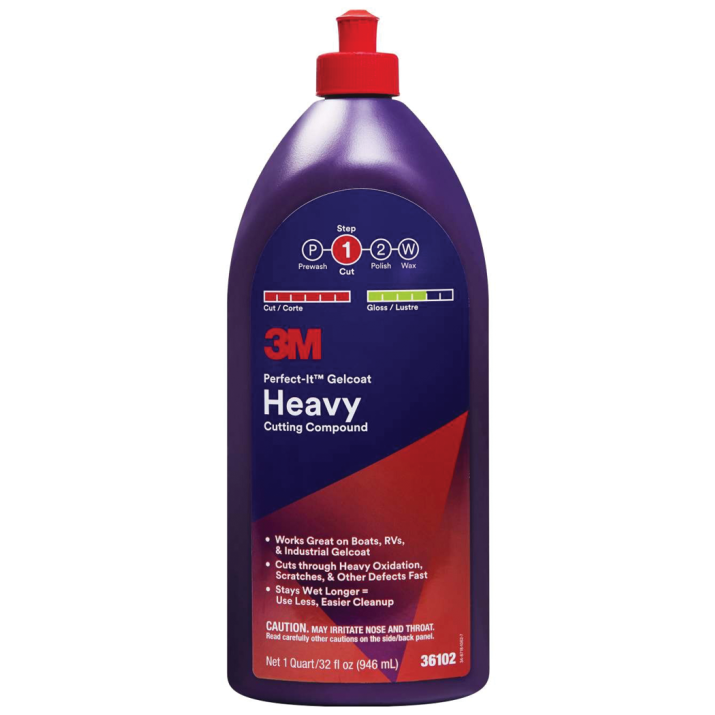
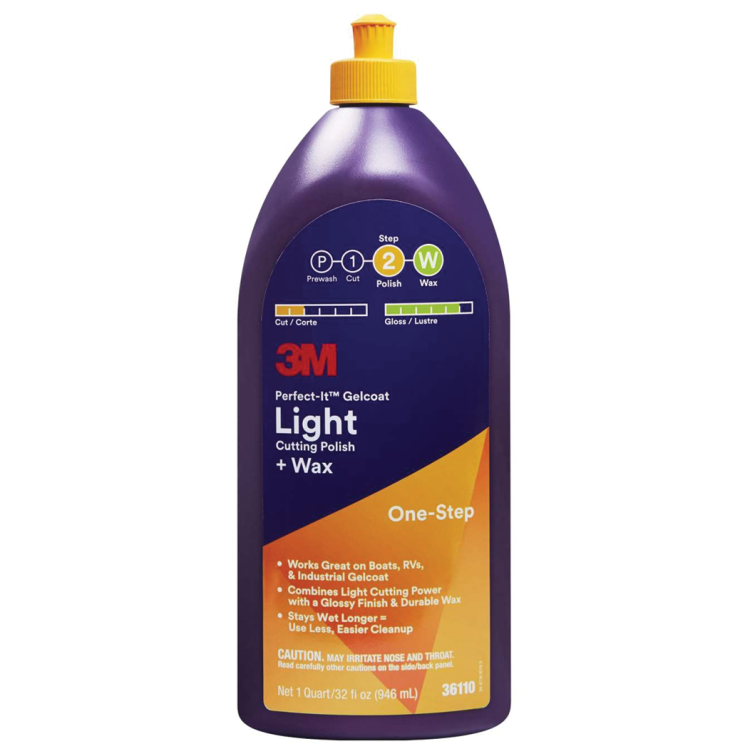
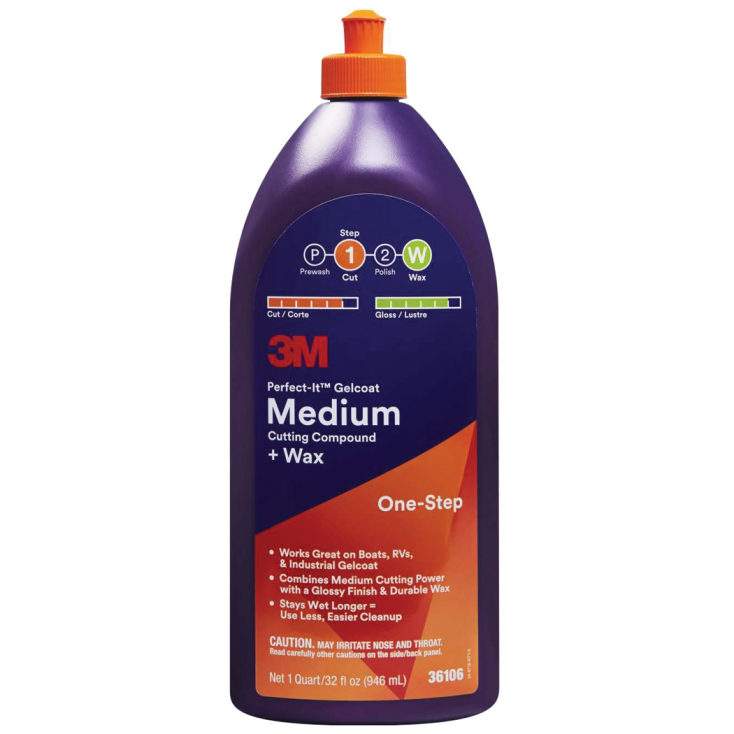
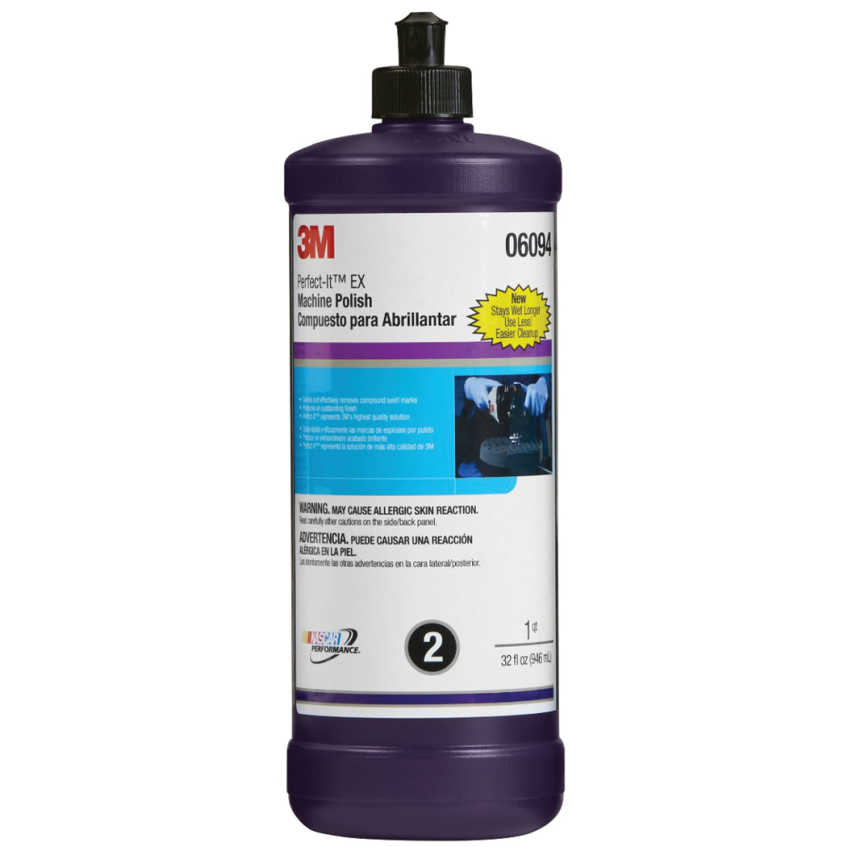
Fisheries Supply offers a selection of marine products designed for buffing and polishing boats. These products support routine upkeep and restoration, helping boat owners maintain a clean, durable finish on fiberglass and gelcoat surfaces.
Key Takeaways
- Polishing removes oxidation while protecting gelcoat and paint
- Product choice should match surface condition and repair stage
- Multiple pad grades support controlled, step-by-step results
- Marine-specific compounds improve consistency and finish quality
Whether you are addressing seasonal oxidation or refining an already well-kept hull, the right compounds, pads, and tools make the work more efficient.
The Role of Boat Buffing and Polishing
Proper buffing and polishing serve both cosmetic and protective purposes. Over time, exposure to sun, salt, and contaminants degrades gelcoat and painted finishes.
Regular polishing helps manage this wear while preserving the surface underneath.
- Removal of oxidation, scratches, and surface stains
- Protection against ongoing environmental exposure
- Extended service life of paint and gelcoat finishes
- Improved overall appearance and resale appeal
Selecting the Right Boat Polishing Products
Achieving consistent results depends on matching the abrasive level to the condition of the surface. Using the correct buffing pads and compounds reduces unnecessary material removal and improves finish quality.
Marine polishing systems are typically used in stages, moving from more aggressive correction to final finishing.
- Coarse pads for heavy oxidation and surface correction
- Medium pads for refining and smoothing
- Fine pads for final gloss and clarity
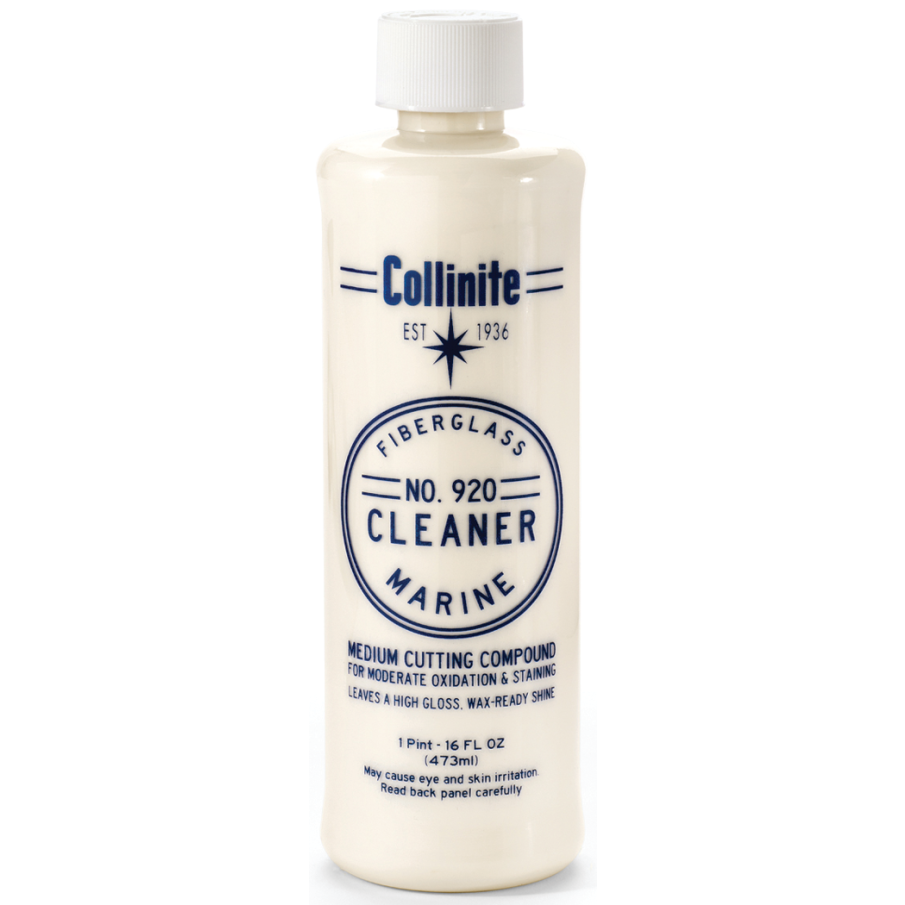
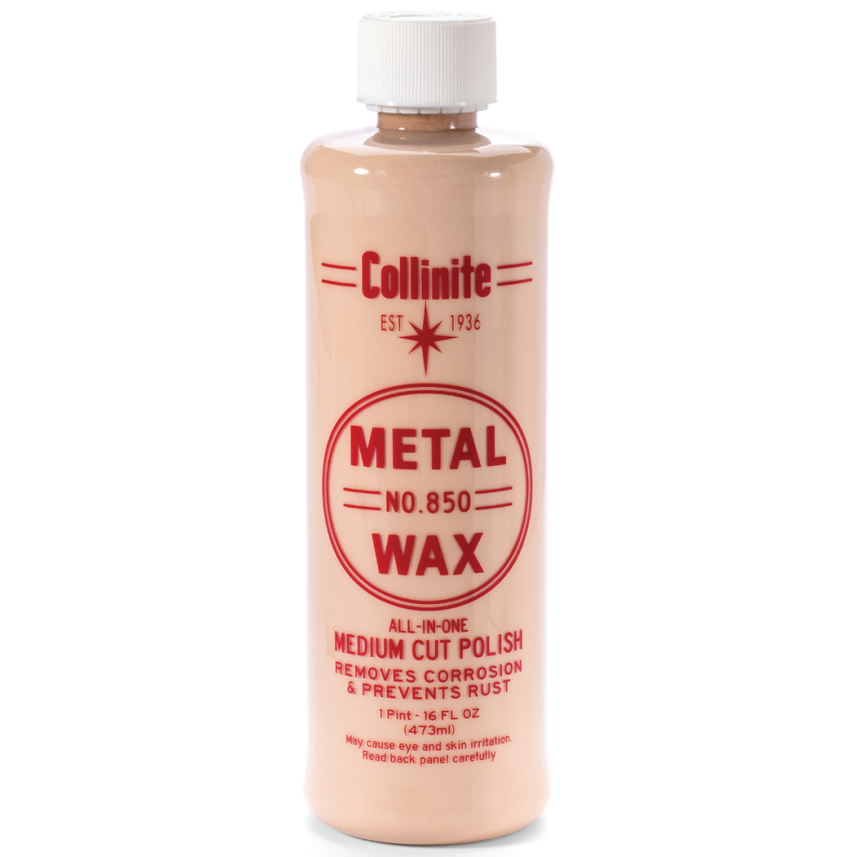
- Boat-specific polish and marine wax formulas for different materials
Why Buy Boat Polishing Supplies from Fisheries Supply
Fisheries Supply supports recreational boaters, DIYers, and professional installers with equipment selected specifically for marine environments.
The available products are suited for both individual projects and ongoing maintenance programs.
- Complete boat buffing kits and individual components
- Marine-grade polishing and rubbing compounds
- Buffing pads matched to each polishing stage
Frequently Asked Questions
What is the difference between compounding, polishing, and buffing on a boat?
Compounding removes oxidation or fine scratches using abrasive compounds. Polishing refines the surface with finer abrasives to enhance shine. Buffing refers to using powered tools to apply compounds or polish evenly.
When should fiberglass gelcoat be compounded instead of just polished?
Compounding is appropriate when oxidation, chalking, or sanding marks are present. Polishing alone is effective only for light oxidation. Heavily oxidized surfaces should be compounded first, then polished.
How should a hull be prepared before compounding and polishing?
Preparation begins with washing and degreasing the surface. Light sanding may be required if defects are present. A final solvent wipe removes oils or wax before applying compound.
When should I choose a wool pad over a foam pad?
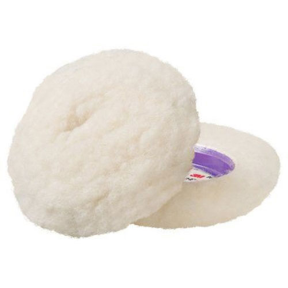
Wool pads are more aggressive and generate more friction, making them ideal for heavy compounding and removing significant imperfections. Foam pads are generally safer for finishing and polishing because they provide more control and come in various densities to suit lighter tasks like waxing or fine polishing.
What is the recommended buffer speed for compounding gelcoat?
For most gelcoat restoration projects, you should operate your buffer at a speed between 1,500 and 2,000 RPM. It is important to keep the buffer moving constantly and apply light pressure to avoid overheating the surface, which can lead to dulling or damage.
Do I need to wash the boat before I start buffing?
Yes, washing the boat is a critical first step. If you do not remove surface salt, grit, and grime before you start compounding or polishing, those particles will act as an extra abrasive and create new, deep scratches as you work.
How do I prevent the compound from "slinging" everywhere when I turn the buffer on?
To minimize splatter, apply the product to the pad and then, with the buffer still turned off, use the pad to manually distribute and rub the compound into a small 2' by 2' area. This coats the surface and the pad fibers before the high-speed rotation begins.
How can I tell when it is time to stop buffing an area?
You should continue buffing a section until the shine returns and the compound has been virtually worked away into a very light residue. If the pad starts to "jitter" or grab the surface, the pad has become too dry and you should stop immediately to avoid heat damage.