





Marine Metal Cleaners, Polishes, and Care
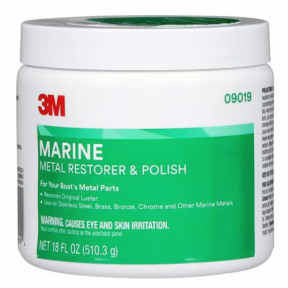
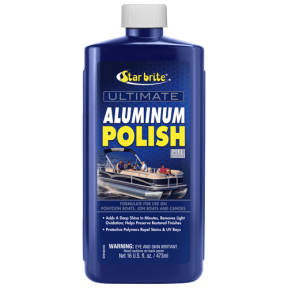
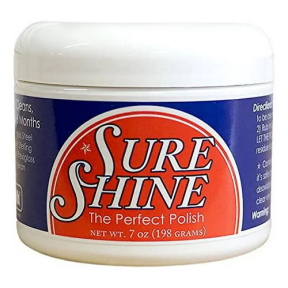
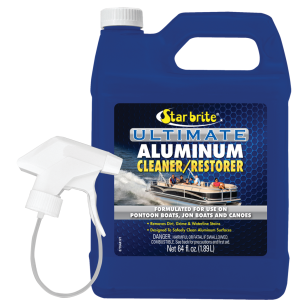
Marine metal cleaners and polishes help remove salt, grime, oxidation, and light surface rust from boat hardware and metal surfaces. Choose products labeled for the metal you are treating, such as stainless steel, aluminum, bronze, brass, or chrome, and follow the product directions.
Why Metal Care Matters on Boats
Salt deposits, grime, oxidation, and surface rust can stain boat hardware and metal trim. Regular cleaning and care help maintain their appearance. Stainless steel can also develop tea staining or localized corrosion, particularly in crevices and around fasteners.
For more information, see BoatUS guidance on stainless steel on boats.
Types of Marine Metal Care Products
| Product type | Application |
|---|---|
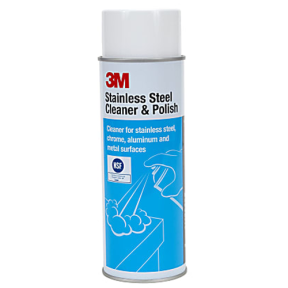
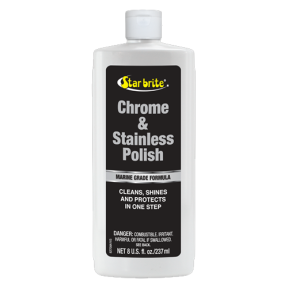
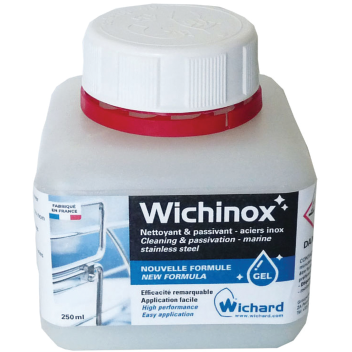
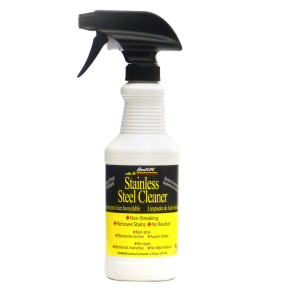
| Stainless steel cleaners and polishes | Clean and polish stainless steel boat hardware and fixtures. |
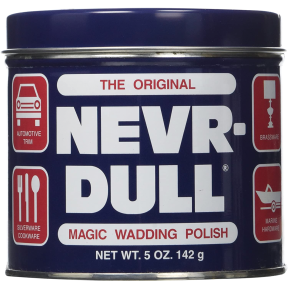
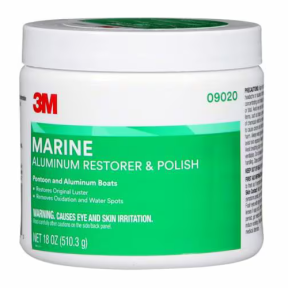
| Multi-metal cleaners | Some products are labeled for metals such as stainless steel, aluminum, bronze, brass, and chrome. Check the label for the specific metals and surfaces covered. |
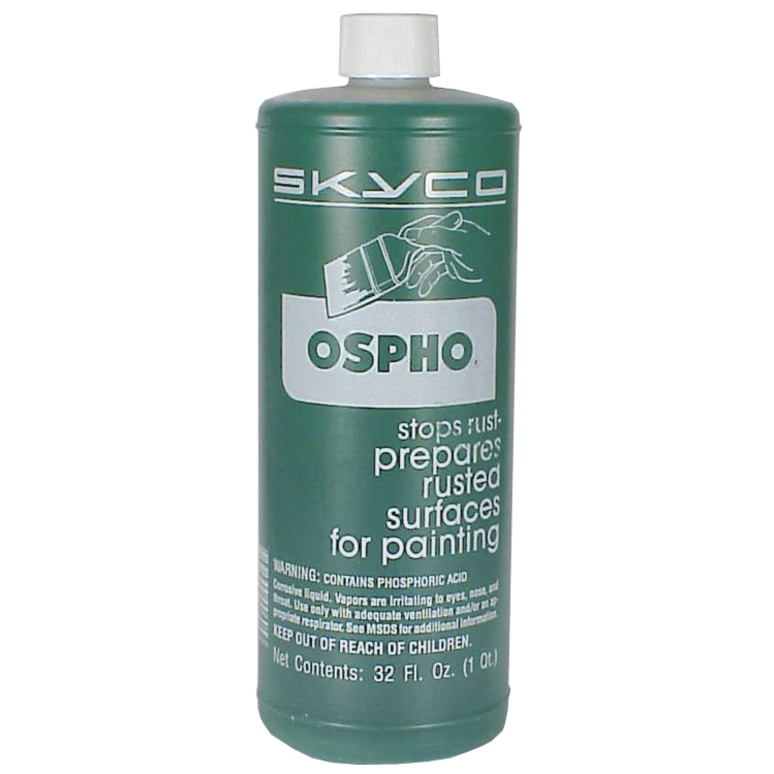
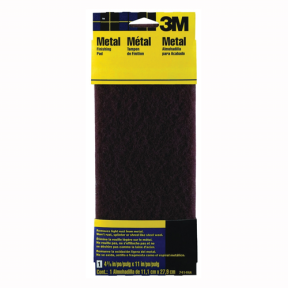
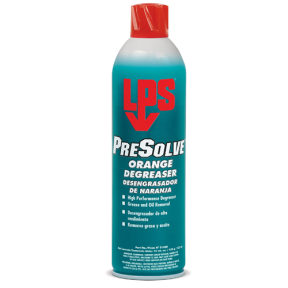
| Surface preparation products | Degreasers and preparation pads clean surfaces before applying polish, wax, or a protective coating. |
| Polishing equipment | Pads, wheels, and compounds for hand or machine polishing. |
For added corrosion protection, browse marine corrosion inhibitors.
How to Clean and Polish Marine Metals
- Rinse and inspect. Rinse with fresh water to remove salt. Check areas beneath clamps, fasteners, and seals for signs of crevice corrosion.
- Degrease. Clean away oils before polishing or applying a coating.
- Clean the surface. For tea staining or light rust, use a cleaner labeled as suitable for the metal and follow its directions. Avoid products that may damage the surface.
- Polish. Work in small sections with a suitable pad and compound. Use only as much abrasion as needed for the surface, then finish with a finer polish if appropriate.
- Protect and maintain. Apply a compatible inhibitor or coating according to its directions, and rinse metal surfaces after salt exposure.
Consult the product’s Technical Data Sheet (TDS) and Safety Data Sheet (SDS). Use gloves, eye protection, and ventilation as directed by the manufacturer.
Frequently Asked Questions
Why can stainless steel on a boat still rust?
Stainless steel can develop tea staining or localized corrosion in chloride-rich marine environments, especially in crevices or near dissimilar metals. Rinse regularly and use cleaners and protective products according to their directions.
Can I polish boat metal by hand, or do I need a machine?
Both methods can be used. Hand polishing offers control on small fittings, while machine polishing can cover larger rails and plates more quickly. Match the pad and compound to the surface and the amount of correction needed.