Metal Care: Cleaners, Polishes, and Supplies for Boat Maintenance
This page helps boat owners and marine professionals choose and use marine metal cleaners and polishes to clean, protect, and maintain stainless steel, aluminum, bronze, and other metals in demanding saltwater environments.
Key Takeaways
- Use purpose-built marine metal cleaners and stainless steel polishes to remove oxidation, salt, and light rust while preserving the passive layer on stainless steel.
- Surface prep (degreasing, decontamination) improves polish performance and coating adhesion.
- Understand galvanic corrosion risks; dissimilar metals in seawater accelerate attack—especially in saltwater.
- Shop confidently with Fisheries Supply’s large inventory, commercial accounts, and nationwide/worldwide shipping.
The Importance of Proper Metal Care for Boats
Maintaining marine metals is essential for aesthetics, safety, and longevity. Proper cleaning and polishing help remove oxidation, salt deposits, and light surface rust, restore luster, and create a barrier that slows future corrosion. Trusted industry guidance from BoatUS and AMPP explains how saltwater and dissimilar metals drive corrosion below and above the waterline.
- Remove oxidation, corrosion byproducts, salt, and grime.
- Restore shine and reduce staining and tea-colored runoff.
- Protect against renewed rust on lower grades of stainless steel and mitigate future damage.
- Extend the service life of railings, fasteners, cleats, stanchions, and trim.
Our Product Range
Fisheries Supply stocks a wide selection of metal finishing supplies suitable for hand or machine application:
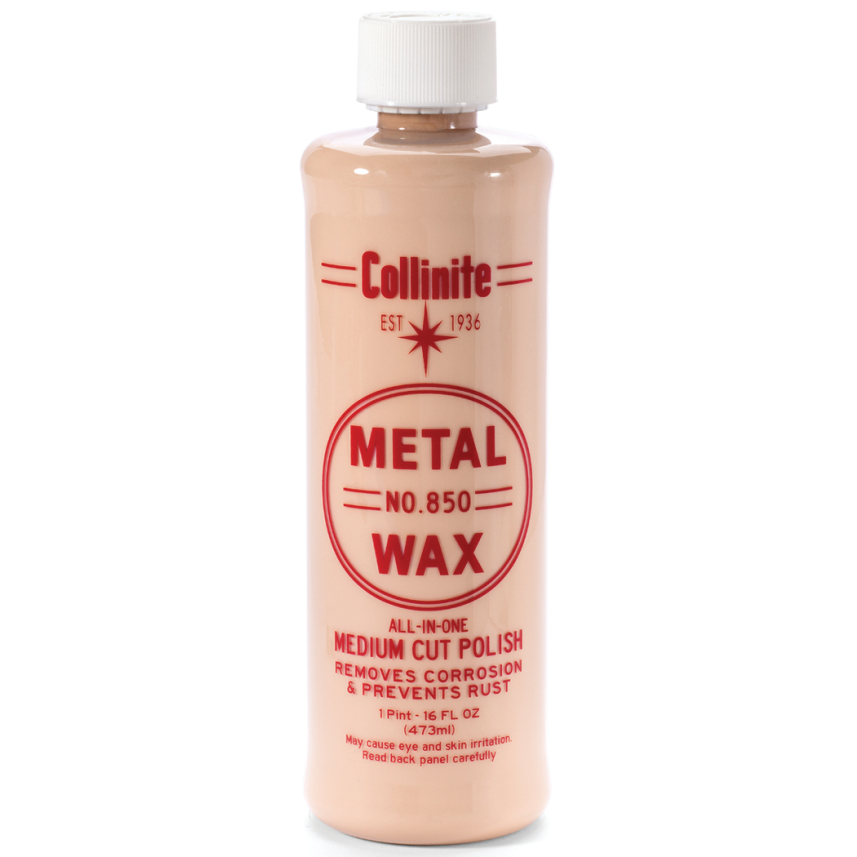
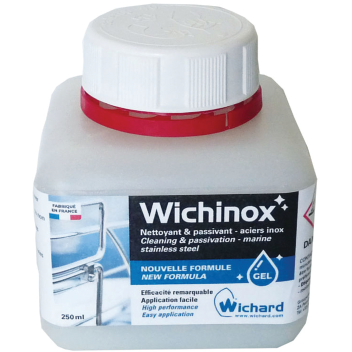
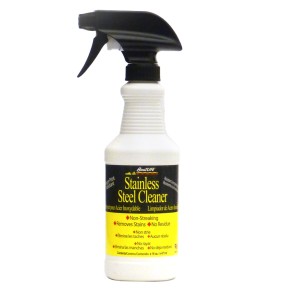
- Marine Stainless Steel Cleaners & Polishes. Formulations designed for boat hardware and fixtures help remove stains and restore gloss while maintaining the stainless passive layer.
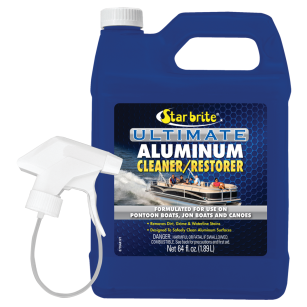
- Boat Metal Cleaners (Multi-Metal). Versatile solutions for stainless steel, aluminum, bronze, brass, and chrome.
- Surface Preparation Products. Degreasers and prep pads improve adhesion for protective coatings and waxes.
- Polishing Equipment. Pads, wheels, and compounds to achieve mirror-like finishes on rails, davits, and fittings.
For added protection, see our marine corrosion inhibitors.
How to Clean & Polish Marine Metals (Step-by-Step)
- Rinse & Inspect. Rinse with fresh water to remove chlorides. Identify crevice corrosion areas (under clamps, fasteners, and seals).
- Degrease. Use a marine-safe degreaser to remove oils that impede polish/coat adhesion.
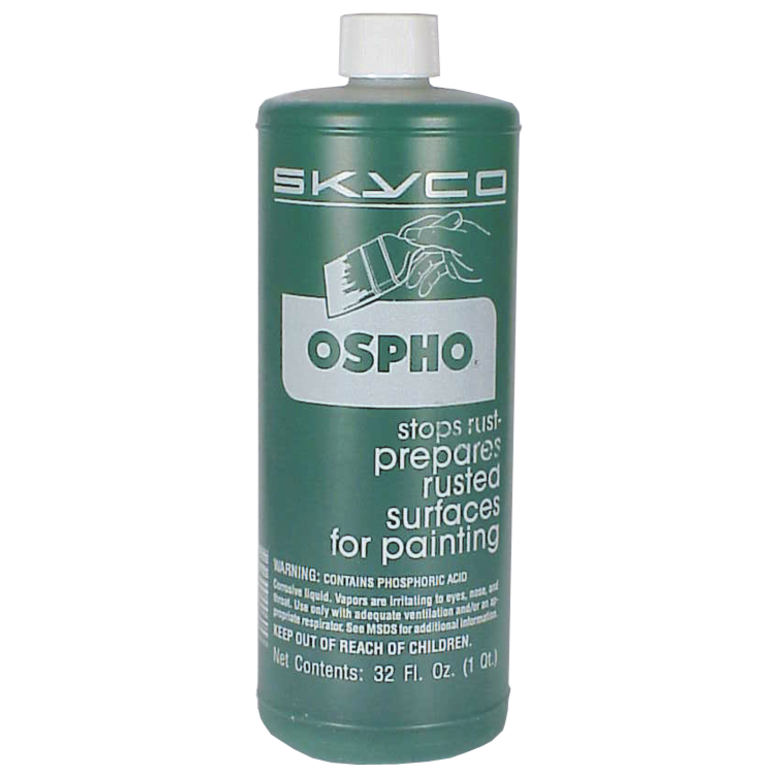
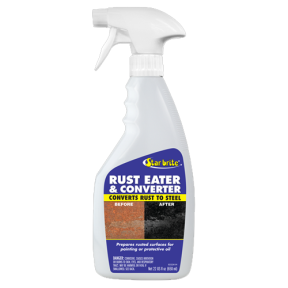
- Decontaminate. For tea staining or light rust, apply a stainless-safe cleaner per product directions and safety guidance; avoid harsh acids that can attack the passive layer.
- Polish. Work in small sections with appropriate pads. Increase cut only as needed; finish with a fine polish to enhance reflectivity.
- Protect. Apply a corrosion inhibitor or protective coating to slow chloride ingress and staining.
- Maintain. Rinse after salt exposure and reapply protection per product directions.
Safety: Always consult the product’s Technical Data Sheet (TDS) and Safety Data Sheet (SDS); use gloves, eye protection, and ventilation as recommended by the manufacturer.