Protect and Restore Your Boat with Marine Waxes and Protectants
At Fisheries Supply, boaters will find a broad, practical selection of marine waxes and protectants designed for real-world use. The lineup includes polymer boat waxes, spray-on boat waxes, and traditional paste options suited to different hull materials and maintenance routines.
What To Know
- Marine waxes are formulated for UV, moisture, and salt exposure.
- Different wax types suit different maintenance needs.
- Vinyl protectants help preserve comfort and appearance.
- Consistent care helps protect gelcoat and finishes.
Our inventory features proven products from established marine-maintenance brands, each formulated to protect surfaces, simplify upkeep, and maintain appearance over time.
Trusted Marine Wax and Protectant Brands
Fisheries Supply stocks marine waxes and polishes from manufacturers widely used across the boating industry, including:
- Meguiar's™
- Collinite
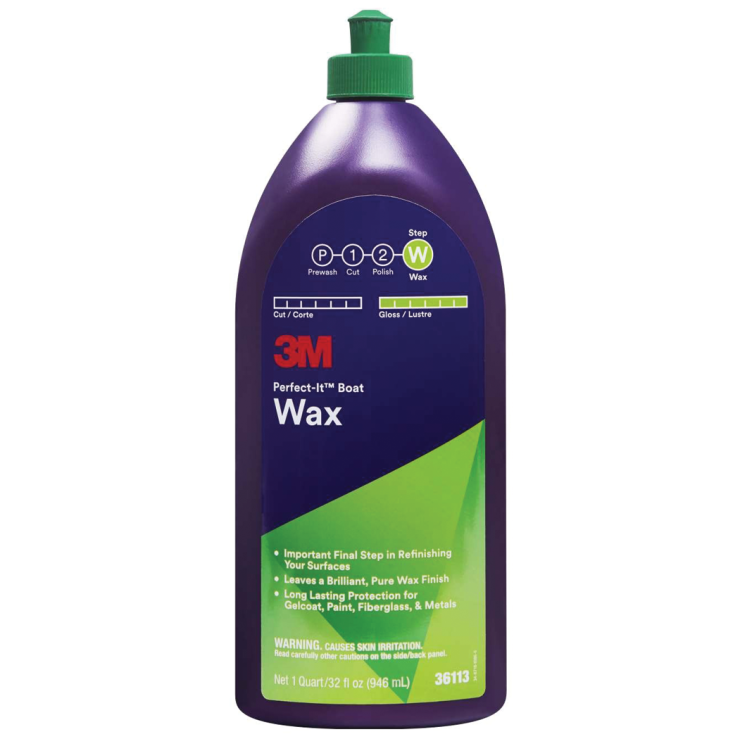
- 3M
- Star brite
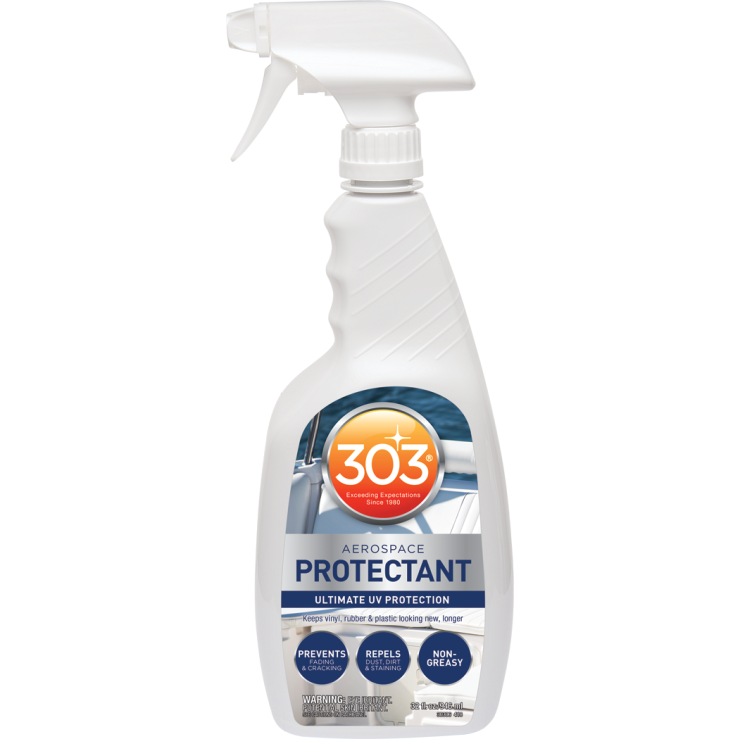
- 303
These products are designed specifically for marine environments, where UV exposure, moisture, and surface contamination are constant challenges.
Why Use Boat Wax and Vinyl Protectants?
Regular waxing and surface protection play a key role in preserving both appearance and service life. Marine-specific formulas address the conditions that boats face on the water and at the dock.
- Boat wax improves gloss while helping reduce UV damage and oxidation.
- Vinyl wax and protectants help prevent fading, staining, and cracking.
- Fiberglass boat wax helps maintain gelcoat clarity and smoothness.
Choosing the Right Boat Wax
Different boats and maintenance styles call for different products. Common options include:
- Traditional carnauba-based waxes for classic shine.
- Polymer-based marine spray waxes for faster application.
- One-step formulas that combine light polishing and protection.
For fiberglass hulls, a consistent process delivers the best results:
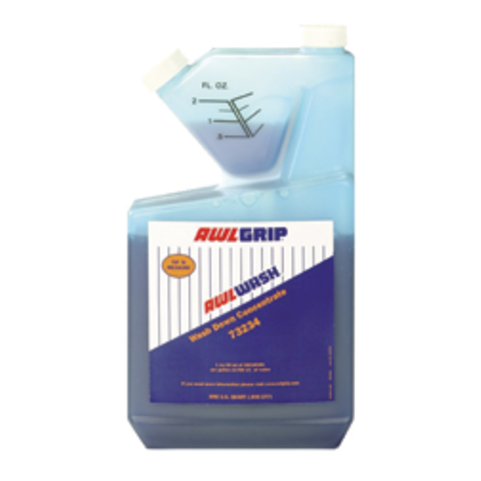
- Wash thoroughly using a quality boat soap.
- Polish to remove oxidation or surface defects.
- Apply a premium spray or paste wax.
- Buff to an even, clean finish.
Vinyl Protection Beyond Appearance
Vinyl components are especially vulnerable to sunlight and contamination. Using a dedicated vinyl protectant helps preserve flexibility and color while reducing long-term wear.
- Blocks UV exposure that leads to fading.
- Helps prevent stains and discoloration.
- Extends the usable life of seats, covers, and trim.
Frequently Asked Questions
What is the difference between boat wax and a sealant?
Boat wax provides a traditional shine with short-term protection, while synthetic sealants generally last longer and offer increased resistance to UV exposure, heat, and surface contaminants.
How often should a boat be waxed?
Most guidance suggests waxing a boat two to four times per year, depending on how often the boat is used and the conditions it is exposed to.
Is washing necessary before applying boat wax?
Yes. Washing and drying the surface first helps prevent scratches and allows the wax to bond properly.
Can automotive wax be used on a boat?
Automotive waxes are not recommended, as marine waxes are formulated to handle saltwater, sunlight, and demandinger marine conditions.
What is the difference between a marine polish and a marine wax?
Marine polish is a corrective product that uses fine abrasives to remove oxidation, light scratches, and stains, essentially "prepping the canvas" by restoring the gelcoat's original luster. Marine wax, on the other hand, is a protective sealant that creates a sacrificial barrier over the surface to shield it from UV rays, salt, and grime.
When should I choose a cleaner wax over a multi-step system?
A "one-step" cleaner wax is ideal for newer boats or well-maintained surfaces with very light oxidation, as it cleans and protects in a single application. If your boat has heavy oxidation, chalking, or deep stains, a multi-step system—using a dedicated compound followed by a polish and then a final wax—will yield far superior results and a longer-lasting shine.
Do I need a machine buffer to apply these protectants?
While many waxes and sealants can be applied by hand for small areas or touch-ups, an electric buffer or polisher is highly recommended for larger hulls. A machine provides the consistent speed and heat necessary to properly break down polishes and ensures an even, thin layer of wax for a professional-grade finish with significantly less physical effort.
Fisheries Supply's staff can help identify appropriate fiberglass boat waxes and protectants based on boat type and usage. Additional resources include a full boat cleaning products inventory and a detailed guide on restoring gelcoat.