












Machine Screws and Machined Fasteners for Boats
Machine screws secure marine hardware, electrical panels, deck fittings, and engine components. For saltwater use, choose a material suited to the environment and the metals it will contact, then match the screw head and drive to the installation.
Key takeaways
- Consider A4/316 stainless steel or silicon bronze for marine applications; titanium may suit some demanding or critical installations.
- Choose a head style for the surface and available clearance, and a drive that provides suitable access and torque control.
- Reduce corrosion risk by considering galvanic compatibility, isolating dissimilar metals where practical, and inspecting fasteners regularly.
Where machine screws are used
Machine screws are precision fasteners with threads suited to secure assemblies. On boats, they are used in hardware, electrical panels, deck fittings, and engines. In seawater and humid conditions, material choice and maintenance can affect service life and reliability.
Machine screw head and drive types
Choose the head style based on the surface and the space available for installation.
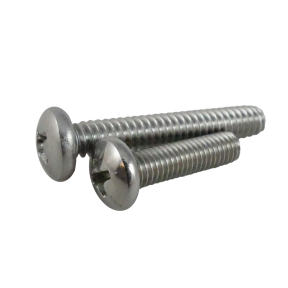
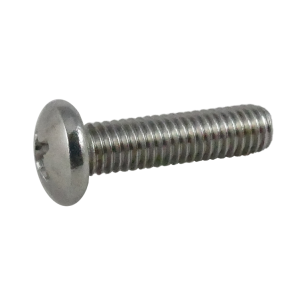
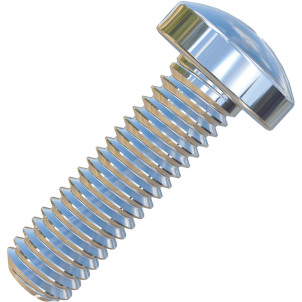
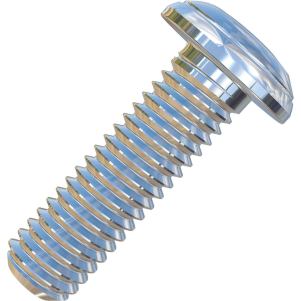
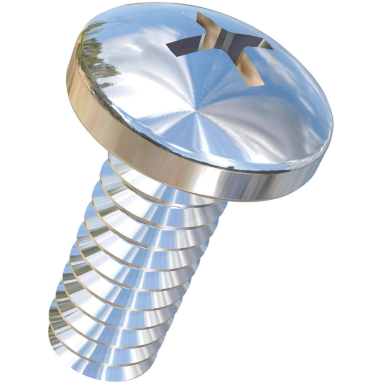
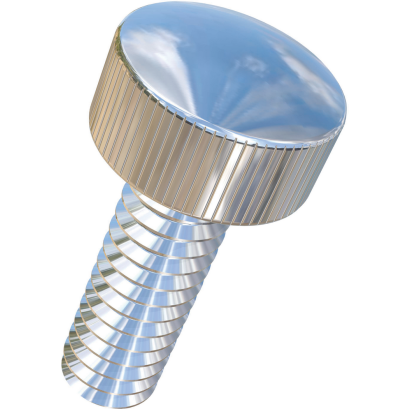
- Pan head screws have a broad bearing surface for general-purpose applications.
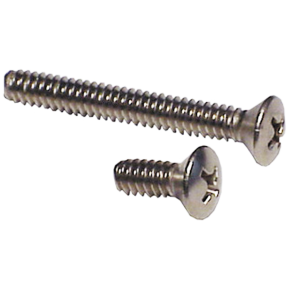
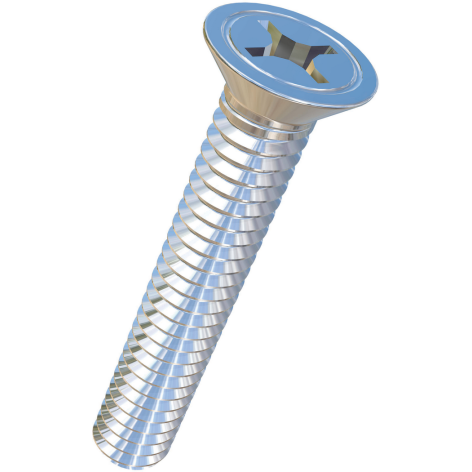
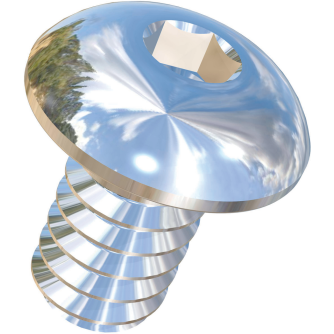
- Oval head screws are countersunk and provide a finished appearance for visible hardware.
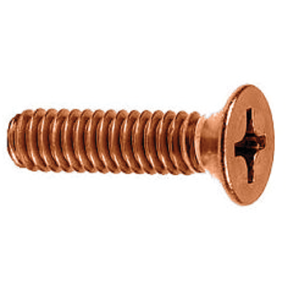
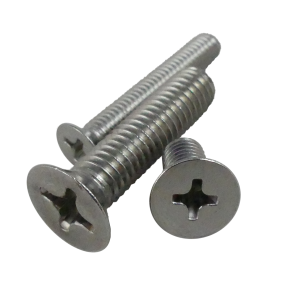
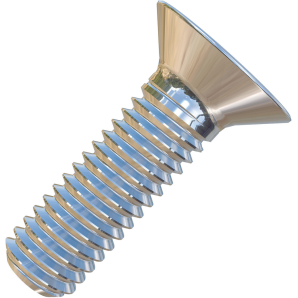
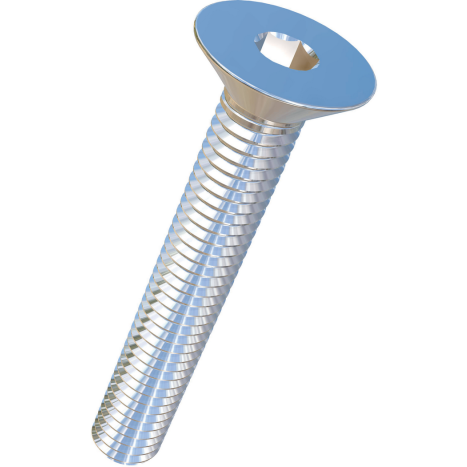
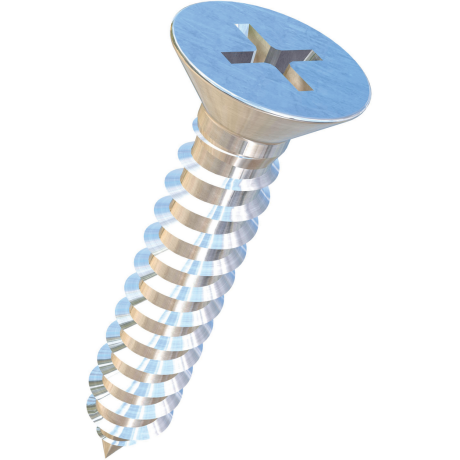
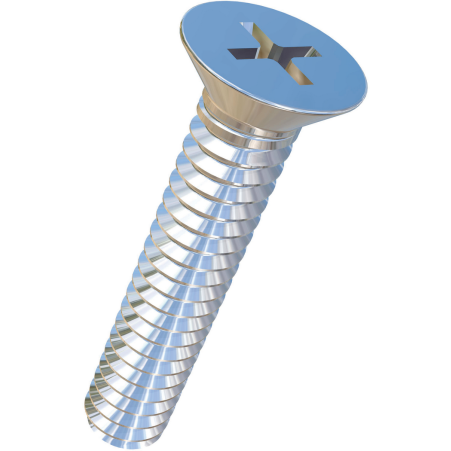
- Flat head screws are fully countersunk where a flush surface is needed.
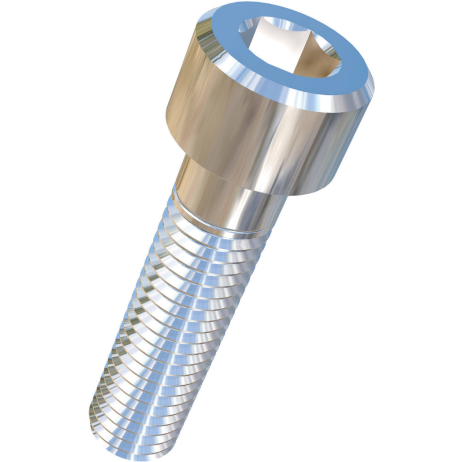
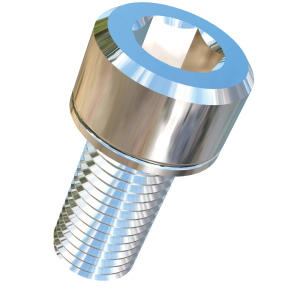
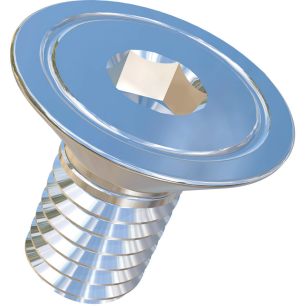
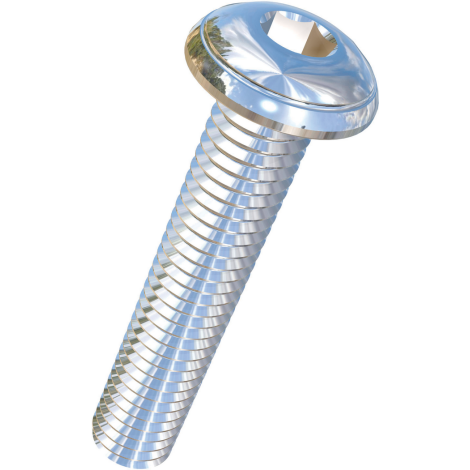
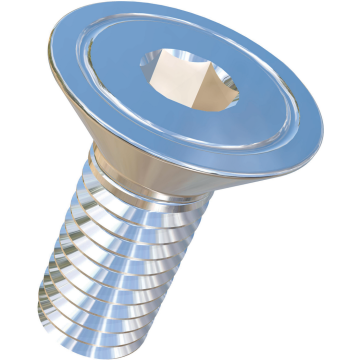
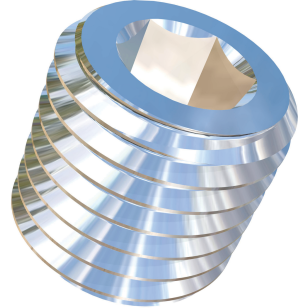
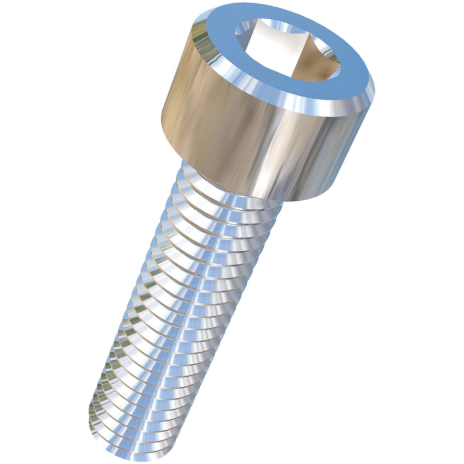
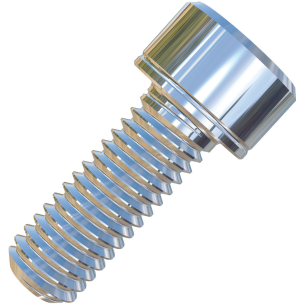
- Allen (socket) head screws use a hex socket drive and can be useful where access is tight.
Available drive types include Phillips, slotted, and hex/socket. Check the screw and tool access before choosing.
Materials for marine fasteners
Marine fasteners may be exposed to pitting, crevice, and galvanic corrosion. Choose a material for the exposure and consider any metals that will contact the fastener.
- Stainless steel mechanical properties are covered by ISO 3506-1:2020; ASTM F593 is a U.S. specification for stainless steel bolts and screws. A4/316 stainless offers improved chloride resistance compared with A2/304 for seawater exposure.
- Silicon bronze is a traditional choice for wooden boats and has marine-atmosphere corrosion resistance. The Copper Development Association documents its properties.
- Titanium has a high strength-to-weight ratio and corrosion resistance. It may be considered for demanding conditions, dissimilar-metal interfaces, or critical hardware; check suitability for the specific assembly.
- Zinc-plated steel may suit protected interiors. The source advises avoiding direct splash or salt exposure because of its limited chloride durability.
Account for galvanic pairing. When dissimilar metals contact in seawater, the less noble metal can corrode faster. Use the galvanic series in seawater as a selection aid and isolate dissimilar metals where practical.
Machine screw sizes and drives
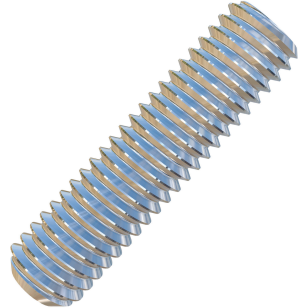
The range described here includes Phillips, slotted, and hex/socket drives, as well as marine micro screws for delicate hardware. Check the screw dimensions, thread, material, head, and drive against the assembly before ordering.
Installation and maintenance
- Inspect fasteners for red or brown staining, green salts on bronze, and loosening under vibration.
- Seal fasteners that pass through decks and isolate dissimilar metals where practical. Use suitable bedding compounds and insulating washers.
- Use marine anti-seize on stainless-to-stainless threads to reduce galling.
- Follow the equipment maker’s torque guidance. Avoid over-tightening in wood or composite materials.
- Replace fasteners with rounded heads, galled threads, or visible corrosion. Do not reuse distorted locking elements.
Frequently Asked Questions
Which stainless grade is suited to saltwater use?
A4/316 stainless is generally preferred over A2/304 for chloride resistance in seawater. Verify the required properties against ISO 3506-1 or ASTM F593 when specifying a fastener.
When should I consider silicon bronze instead of stainless steel?
Silicon bronze may suit traditional timber boats and hardware near copper-based fittings. Check that it is appropriate for the specific assembly and its other materials.
Do stainless fastener standards apply to small screws?
ISO 3506 covers mechanical properties for stainless fasteners across smaller and larger sizes. ASTM F593 specifically governs stainless steel bolts, hex cap screws, and studs in nominal diameters of 1/4" and larger, whereas standard machine screws fall under specifications such as ASME B18.6.3. Always verify the applicable standard for your specific fastener size.
Can bonding or grounding wiring affect corrosion?
Improper bonding can create unintended current paths. Follow ABYC E-11 practices for bonding and grounding on the boat.