

Marine-Grade Nuts & Fasteners for Boats
Fisheries Supply carries marine-grade nuts and fasteners for boatbuilding and maintenance.
Key Takeaways
- 316 stainless steel offers superior pitting and crevice corrosion resistance in chloride-rich seawater compared to 304 stainless steel.
- Silicon bronze and brass are often preferred in traditional rigging and below-deck fittings; match to mating metals to minimize galvanic issues.
- Titanium combines very high strength-to-weight with exceptional corrosion resistance for weight-critical or lifetime installations.
- Choose nut types by function: hex, lock, wing, and cap (acorn).
- Routine inspection, anti-seize to reduce galling, and correct torque are essential for reliability in high-vibration marine environments.
Marine Nut Material Selection
Marine fastener material should match the exposure level, load path, mating metal, and service access. Saltwater, bilge moisture, engine vibration, deck hardware, and dissimilar metals all affect the service life of boat nuts and companion fasteners.
| Material | Best Use | Key Advantages | Selection Notes |
|---|---|---|---|
| 304 stainless steel | Interior hardware, protected equipment, and low-humidity boat areas | Strong and economical for general marine fastening | Use away from constant saltwater or heavy chloride exposure. |
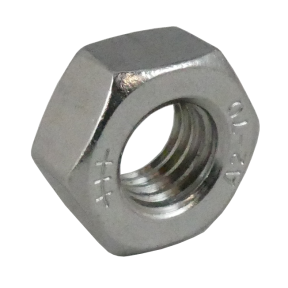
| 316 stainless steel | Saltwater hardware, splash zones, deck fittings, and near-waterline assemblies | Improved resistance to chloride pitting and crevice corrosion | Apply marine anti-seize on stainless threads to reduce galling. |
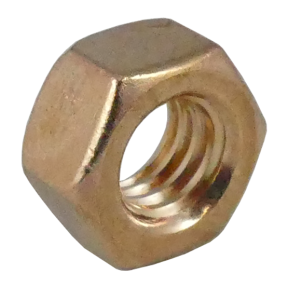
| Silicon bronze and brass | Bronze fittings, traditional construction, below-deck hardware, and compatible metal assemblies | Good corrosion resistance and compatibility with many bronze marine components | Verify compatibility with through-hulls, seacocks, backing plates, and bonding systems. |
| Titanium | Performance sailing hardware, engine mounts, weight-sensitive assemblies, and long-life installations | High strength-to-weight ratio with excellent seawater corrosion resistance | Use when weight, corrosion resistance, and reduced service access justify the material cost. |
Types of Marine Nuts (Use-Cases)
Choose the nut geometry that fits the service environment, access constraints, and vibration profile.
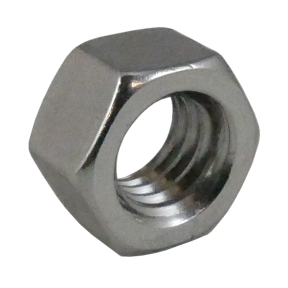
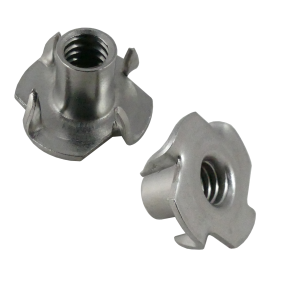
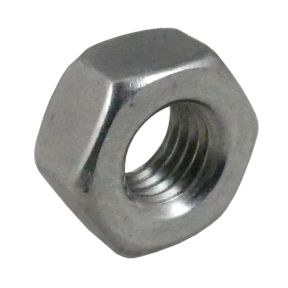
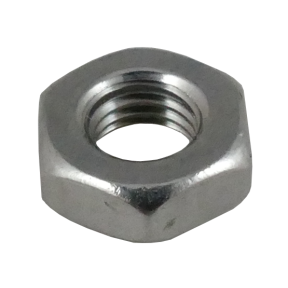
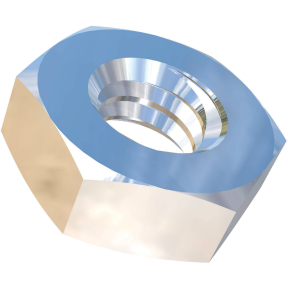
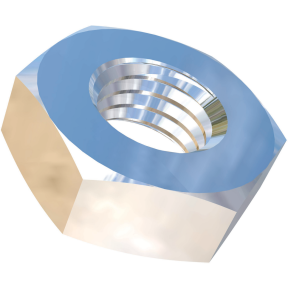
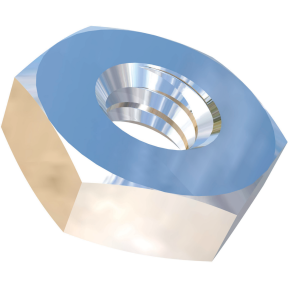
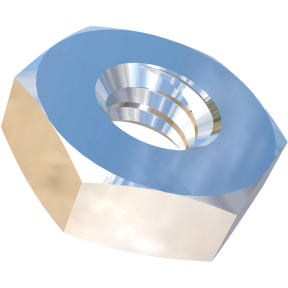
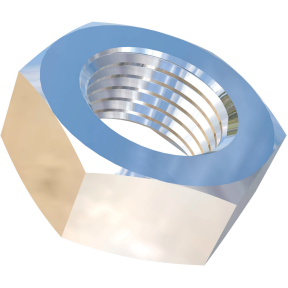
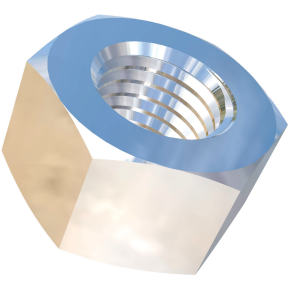
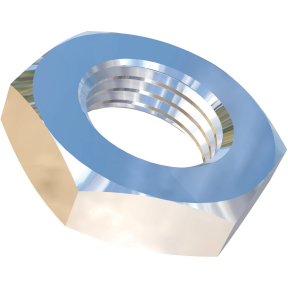
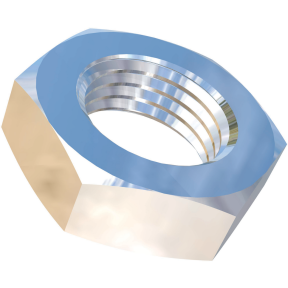
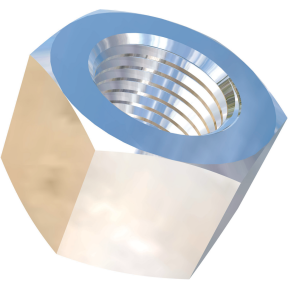
- Hex nuts — general-purpose boat nuts for use with standard bolts and studs.
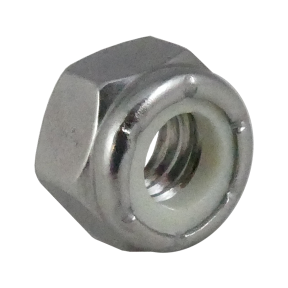
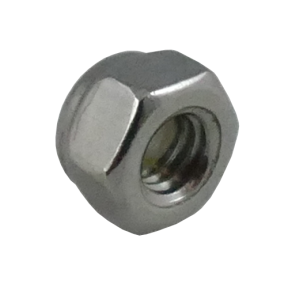
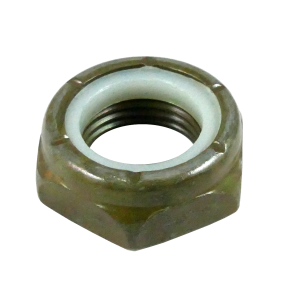
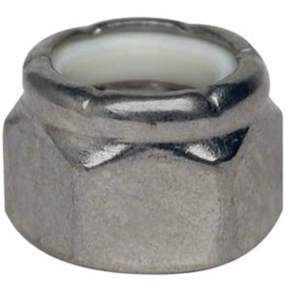
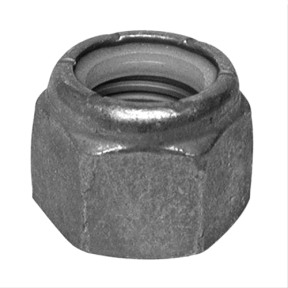
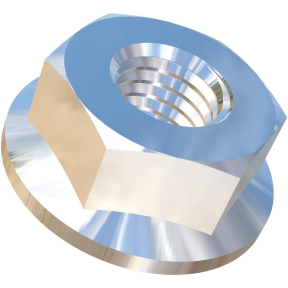
- Lock nuts — nylon-insert or all-metal prevailing torque; resists loosening due to vibration.
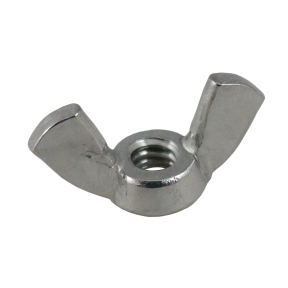
- Wing nuts — tool-free adjustments for panels, battery boxes, and access covers.
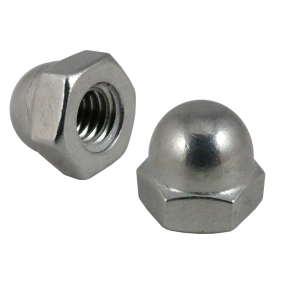
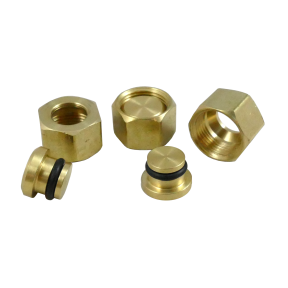
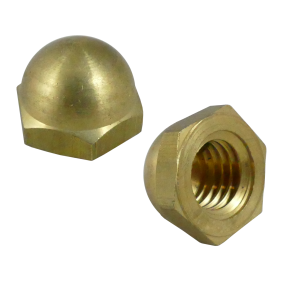
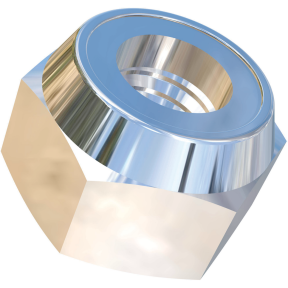
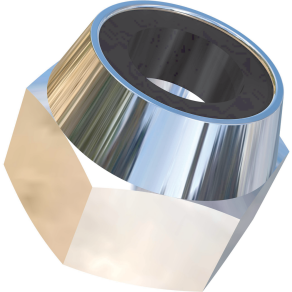
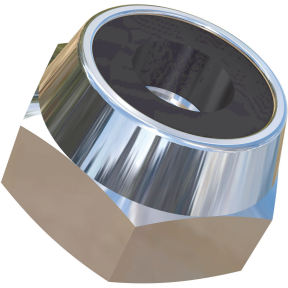
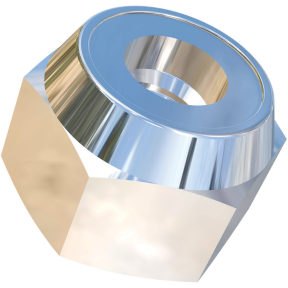
- Cap (acorn) nuts — protects exposed threads and provides a clean finished appearance.
Selection, Installation & Maintenance
How to Select
- Environment: immersion, splash, interior machinery space, or topsides.
- Loads: shear, tensile, cyclic; consult bolt grade/size and torque guidance.
- Compatibility: align with mating metals to mitigate galvanic corrosion.
- Access: allow for periodic inspection and re-torque.
Installation Tips
- Use appropriate washers and backing plates to distribute loads on composite or timber structures.
- Apply marine anti-seize or compatible paste on stainless threads.
- If applicable, torque to manufacturer guidelines; re-check after initial sea trials and seasonal layup.
Maintenance
- Inspect for crevice corrosion, red/brown staining, or green patina depending on material.
- Replace fasteners showing thread damage, deformation, or significant corrosion products.
- Document locations and materials for future service parity.
Trusted Brands & Sourcing
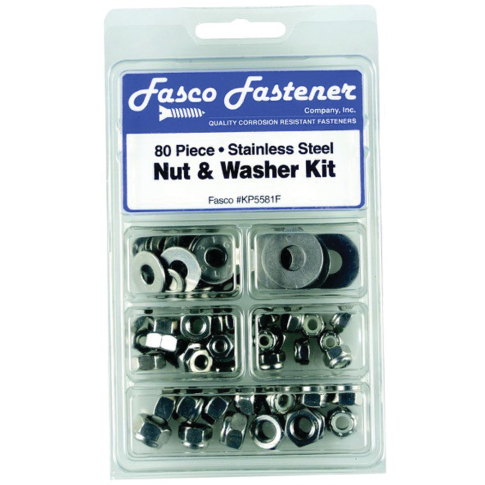
Fisheries Supply stocks marine nuts and companion fasteners from reputable manufacturers, including Fasco Fastener and Allied Titanium.
Shop companion marine bolts and related hardware to complete your assembly.
Frequently Asked Questions
When should I choose 316 over 304 stainless steel?
Use 316 in saltwater or splash zones where chloride pitting is a risk; 304 can be suitable for interior and low-humidity environments.
Do I need lock nuts on a boat?
For vibrating systems (engines, pumps, deck hardware), lock nuts or secondary locking methods (thread-locking compounds, double-nutting) help maintain preload.
Is silicon bronze safe below the waterline?
Silicon bronze is commonly used with compatible bronze fittings. Always verify galvanic compatibility and bonding; avoid mixing with dissimilar metals without isolation.
Why do stainless nuts sometimes seize on bolts?
Galling can occur with stainless-on-stainless under high friction. Use anti-seize, proper lubrication, and avoid rapid, dry power-tool tightening.
When is titanium worth it?
In weight-critical or long-life installations, or where corrosion access is difficult, titanium may deliver lower lifecycle cost despite higher upfront price.
For inventory support, commercial accounts, and shipping options, contact Fisheries Supply. Nationwide and worldwide shipping available.