Marine Reclosable Fasteners for Boat Applications
Marine reclosable fasteners include 3M™ Dual Lock™ interlocking stem fasteners and VELCRO® Brand hook-and-loop products. Choose between them based on how often an item needs to be opened or repositioned, the load and movement it will experience, and whether the backing is compatible with the mounting surface.
Key Takeaways
- VELCRO® Brand hook-and-loop suits items that need frequent access or repositioning, such as cushions, covers, wiring, and small accessories.
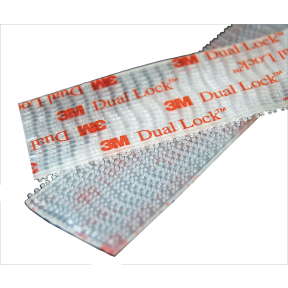
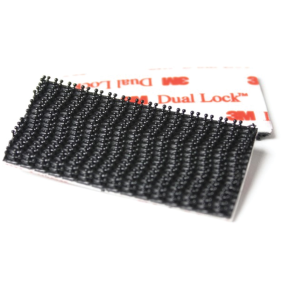
- 3M™ Dual Lock™ uses interlocking mushroom-shaped stems and is suited to removable panels and equipment that should not be repositioned often.
- Check the adhesive and backing against the substrate and conditions. Inspect fasteners regularly for salt, debris, UV wear, and adhesive edge-lift.
How Marine Reclosable Fasteners Work
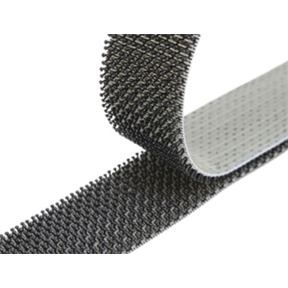
Reclosable fasteners attach items without penetrating the mounting surface. Hook-and-loop fasteners close when a hook side engages a loop side. 3M™ Dual Lock™ fasteners close when arrays of mushroom-shaped stems interlock. Both can be used on saltwater and freshwater boats, provided the fastener and its backing are suitable for the application.
Compare Marine Hook-and-Loop and Dual Lock™
| Fastener type | Typical application | What to check |
|---|---|---|
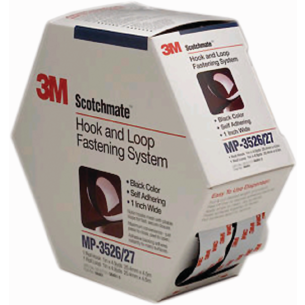
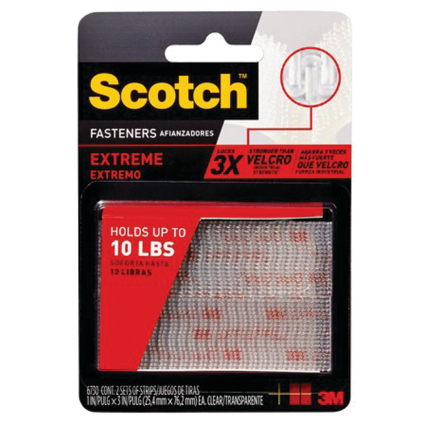
| VELCRO® Brand hook-and-loop | Cushions, covers, cable management, and small accessories that are moved or opened frequently. | Marine- or UV-resistant adhesive-backed tapes are available for outdoor exposure. Check adhesive compatibility with the substrate, especially polyethylene (PE), polypropylene (PP), and polyvinyl chloride (PVC). |
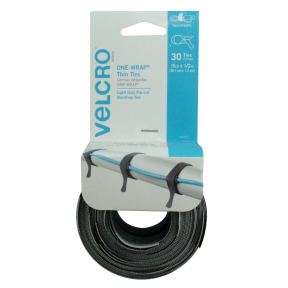
| ONE-WRAP® straps | Bundling rigging, wiring, and loose gear. The back-to-back hook-and-loop strap is reusable and can be cut to length. | Choose a strap size and fastening arrangement appropriate for the item being bundled. |
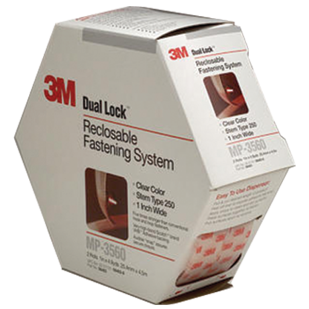
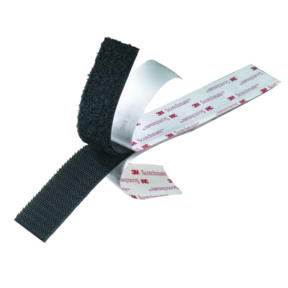
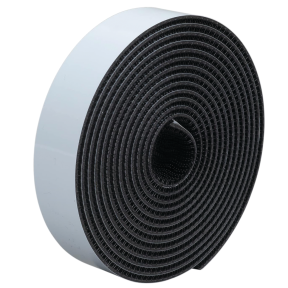
| 3M™ Dual Lock™ | Removable panels, access hatches, electronics covers, and components that do not need frequent repositioning. | Stem densities include 170, 250, and 400 stems per square inch. Higher stem engagement generally increases closure strength. Adhesive-backed versions use pressure-sensitive adhesive (PSA) liners; non-adhesive backings can be mechanically fastened or used with specialty adhesives. |
Dual Lock™ provides a positive interlocking closure and can offer higher shear and peel performance than conventional hook-and-loop. Actual performance depends on the fastener, pairing, backing, installation, and application.
Considerations for Marine Use
- UV- and moisture-resistant constructions are available for exposure to spray, sunlight, and temperature cycles when correctly specified and applied.
- Hook-and-loop allows quick repositioning and access to items that move with conditions or crew.
- Interlocking Dual Lock™ stems provide a positive closure for components that need to be removable but are not repositioned frequently.
Never rely on reclosable fasteners or non-metallic closures in primary load paths, standing rigging, or high-load sail controls such as mainsail clews, tack attachments, or sheet blocks, where structural failure could result in loss of control.
How to Choose and Specify a Fastener
- Define the application: a panel or soft goods, static or dynamic loading, and how often the fastener will be opened.
- Choose the closure type. Hook-and-loop is suited to frequent access; Dual Lock™ is suited to semi-permanent attachment where higher shear performance is needed.
- Match the adhesive or backing to the substrate and environment. Acrylic pressure-sensitive adhesives are available for outdoor and UV exposure; use mechanical fastening when adhesion is uncertain.
- For Dual Lock™, compare stem density and pairing to balance engagement strength with how easily the fastener can be reopened.
- For work near fuel systems, electrical systems, or steering, follow applicable ABYC standards and the manufacturer’s instructions.
Installation Tips
- Clean the surface with an appropriate solvent and let it dry completely. Avoid waxed or oily coatings.
- Apply firm, even pressure. Allow the adhesive to dwell or condition according to its datasheet before loading.
- Follow the product’s application and service temperature ranges; temperature extremes can reduce initial tack.
- For mission-critical components exposed to high vibration or other demanding conditions, consider secondary retention such as screws or lanyards, as appropriate for the application.
Maintenance and Inspection
Inspect reclosable fasteners periodically for UV chalking, salt deposits, sand or debris, and adhesive edge-lift. Rinse with fresh water and let the fasteners dry before re-engaging them. Replace worn hook-and-loop material or deformed Dual Lock™ stems to maintain the intended closure.
Frequently Asked Questions
Is VELCRO® Brand hook-and-loop waterproof for boats?
Hook-and-loop materials are water-tolerant, but water exposure can affect the adhesive. For exposed applications, choose an acrylic, marine- or UV-resistant pressure-sensitive adhesive or use mechanical or sewn attachment.
How do I choose a 3M™ Dual Lock™ stem density?
Higher stem counts or complementary pairings can provide greater closure strength. Common pairings include 250-250 and 170-400; the appropriate choice depends on the load and how often the fastener needs to be reopened.
Do these fasteners meet marine safety rules?
The fasteners themselves are not ABYC-approved. Installations should comply with relevant ABYC standards, including requirements for electrical or fuel-system clearances where applicable.
How long should I wait before loading an adhesive-backed fastener?
Follow the product datasheet. Some acrylic pressure-sensitive adhesives gain strength over 24–72 hours at room temperature.
Can I sew hook-and-loop onto webbing or canvas?
Yes. Sewn hook-and-loop straps are used with soft goods. Size the strap and stitch pattern for the expected loads, and add mechanical backup where the application is safety-critical.