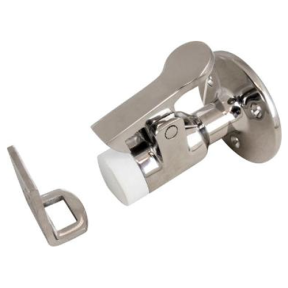
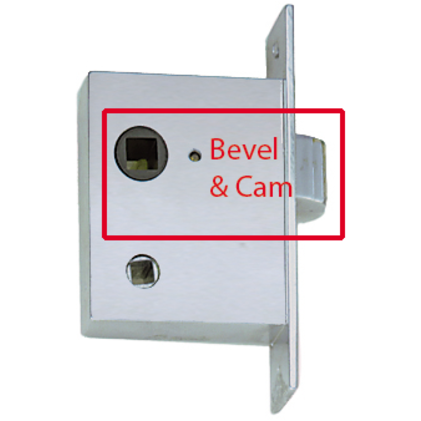
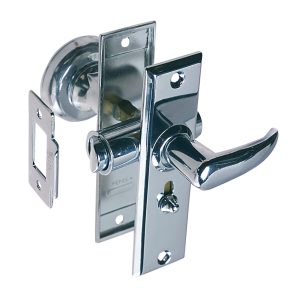
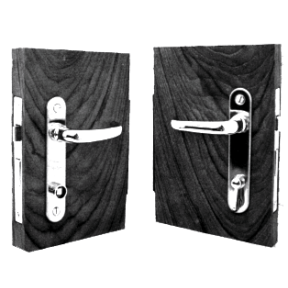
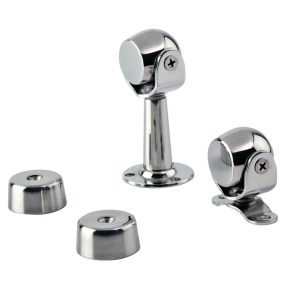
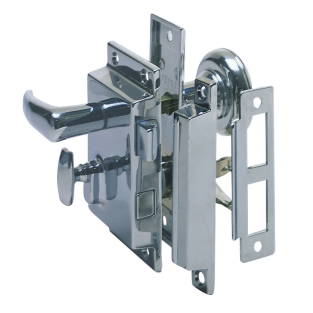
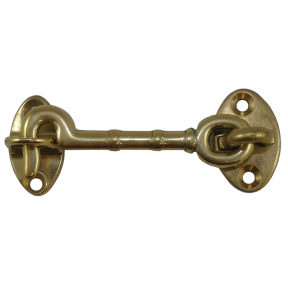
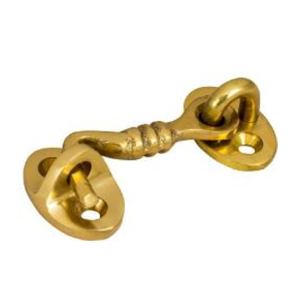
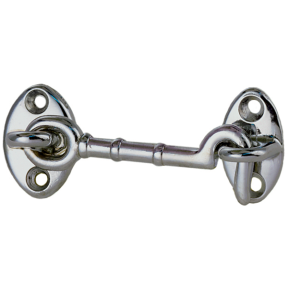
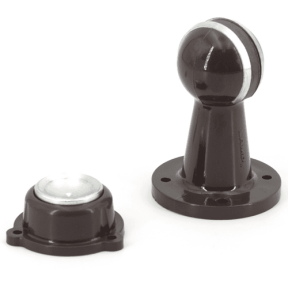
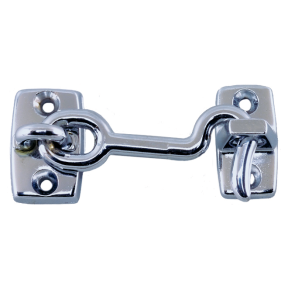
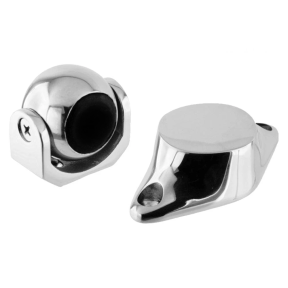
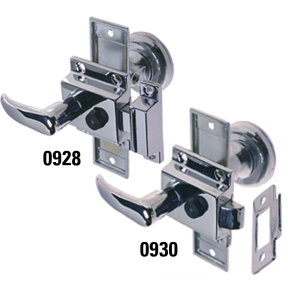
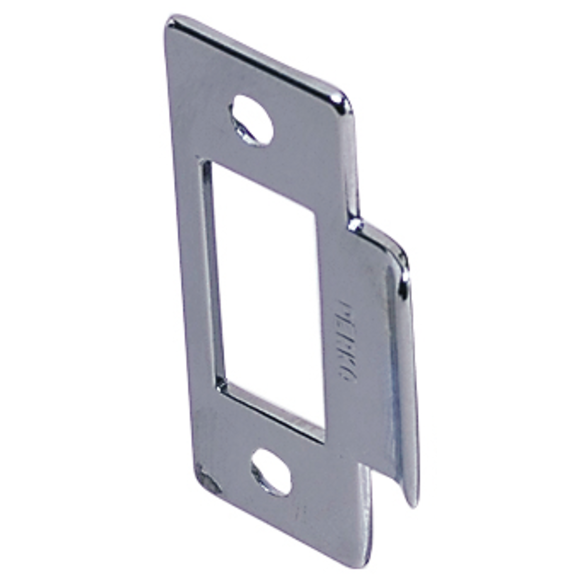
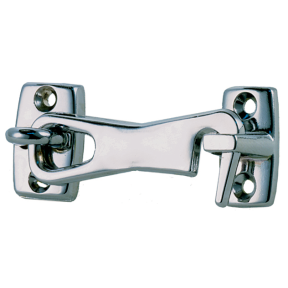
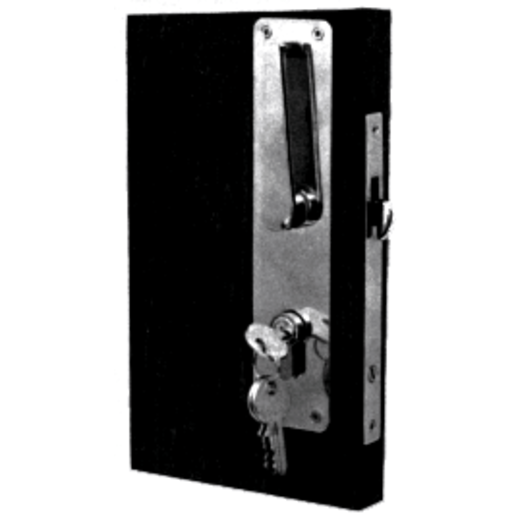
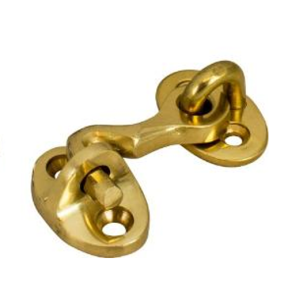
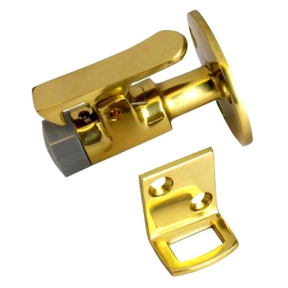
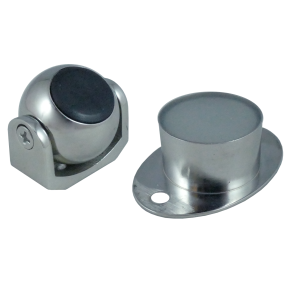
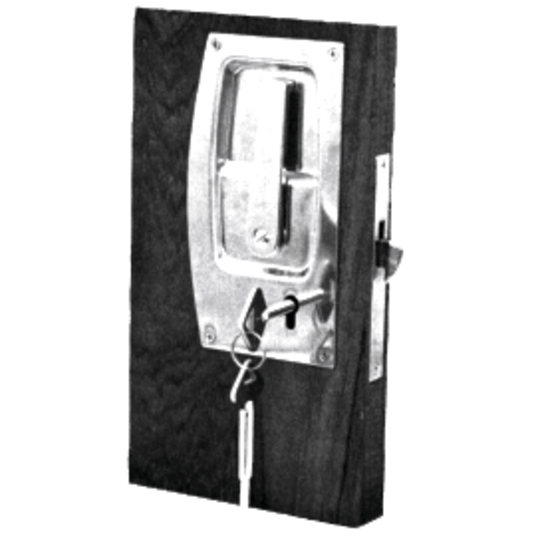
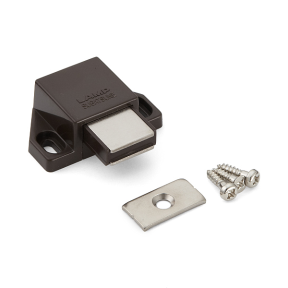
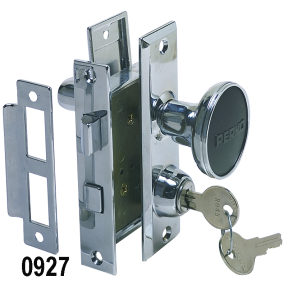
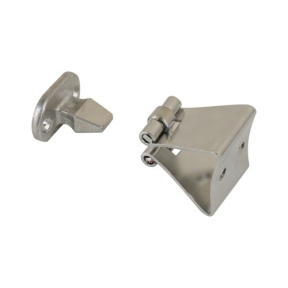
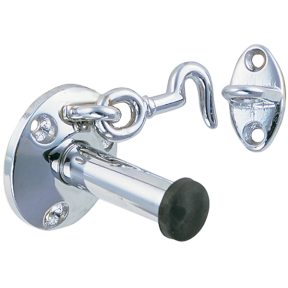
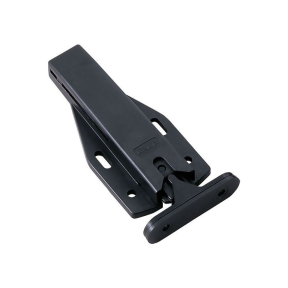
Choose the Best Marine Door Latches, Locks & Hardware
This category is intended for the selection, installation, and care for marine door hardware.
Key Takeaways
- Prioritize 316 stainless steel in saltwater.
- Match latch type to use: slam, flush, or keyed locking.
- Verify door thickness, weight, and mounting cutouts.
- Maintain: rinse, inspect, and lubricate twice per season.
- Shop trusted brands at Fisheries Supply.
Overview: Why Marine Door Hardware Matters
Quality marine door hardware reduces rattle in rough seas, and improves safety by ensuring positive latching and reliable locking.
At Fisheries Supply, you’ll find a wide selection from trusted manufacturers—curated for durability, fit, and function.
How to Choose the Right Marine Door Hardware?
Basic Fit & Functional Checks- Door size & weight: Heavier doors need stronger latch mechanisms.
- Door thickness: Confirm spindle length and through-fastener reach.
- Mounting style: Surface, flush-mount, or mortised cutouts must match.
- Operating environment: Salt spray, UV, and heat influence material choice.
- Functionality: Select slam latches, flush latches, or locking options per use case.
How do I choose the right latch or lock?
Start with door thickness, door weight, mounting style, and whether the door needs keyed locking. Then confirm the hardware is suitable for salt, UV, and the intended installation location before ordering.
- 316 stainless steel: High resistance to pitting in salty environments.
- Chrome: Bright, durable finish; depends on plating system quality.
- Brass: Classic look; polish and protect for service life.
What to know about corrosion resistance?
For saltwater use, 316 stainless steel is typically the best material choice. Chrome-plated brass or zinc can work when the plating is high quality, while solid brass needs regular cleaning and protection.
Most solutions fit cabin doors, hatches, and companionways. Always verify product specifications for cutout dimensions, backset, and door thickness range.
Shop Marine Door Hardware
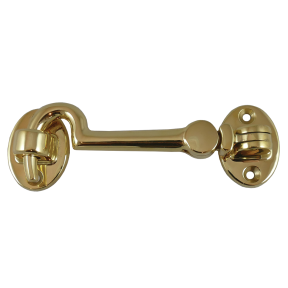
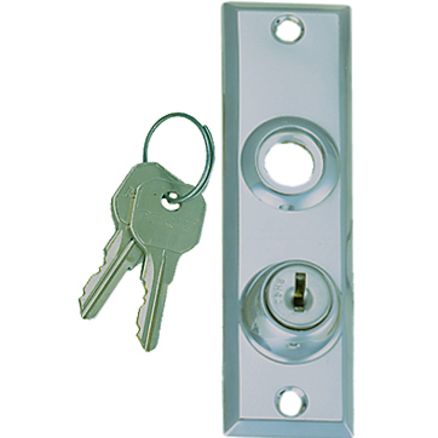
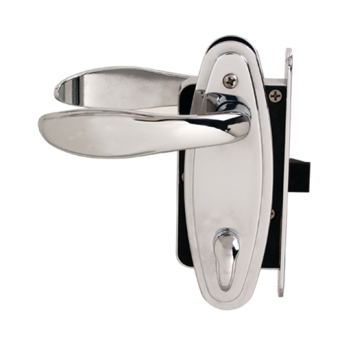
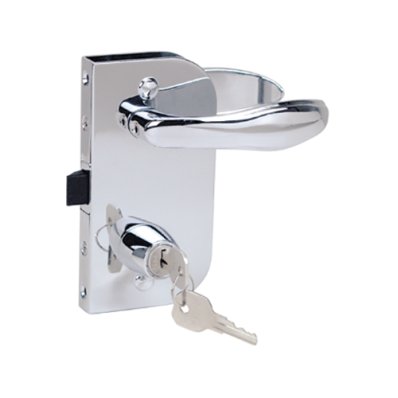
Explore our inventory to match performance with aesthetics:
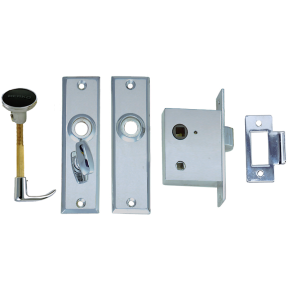
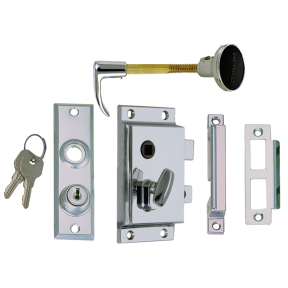
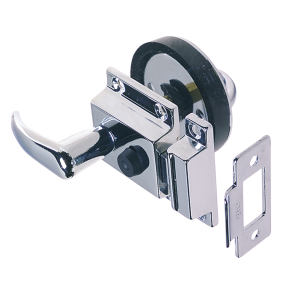
When outfitting for security, select a durable lock latch that closes positively and resists corrosion.
Installation Basics
- Measure door thickness and mark cutouts precisely.
- Dry-fit hardware; confirm spindle and latch alignment.
- Seal fastener holes to protect core materials.
- Torque fasteners evenly; avoid deforming escutcheons.
- Verify smooth closing and locking action.
Maintenance & Service
- Rinse with fresh water after salt exposure.
- Inspect for play, wear, and misalignment.
- Lubricate moving parts at least twice per season.
- Polish chrome or brass; apply protectant as needed.
- Replace compromised fasteners promptly.
Why Buy from Fisheries Supply
- Extensive selection: Find the right style and fit.
- Trusted brands: Vetted for durability and reliability.
- Expert help: Knowledgeable representatives for product selection.
Additional Questions
Are these compatible with all boat doors?
Most marine door hardware is designed for cabin doors, hatches, and companionways, but fit is not universal. Check the product specifications for door type, cutout dimensions, backset, and door thickness range.
Do I need special tools?
Most installations use basic tools such as a drill, screwdriver, and measuring tape. Some installs may require specialty bits, adhesives, sealants, or fasteners depending on the hardware and door material.
How often should I maintain my hardware?
Rinse, inspect, and lubricate marine door hardware at least twice per season. Increase maintenance frequency for heavy use or high-salinity environments.