
Boat Railing Hardware: Rail Fittings, Rail Mounts & Parts
Build safe, durable handrails, lifelines, and canvas frames using Fisheries Supply’s extensive inventory of marine-grade rail mounts, clamps, fittings, elbows, brackets, attachments, and 316 stainless steel tubing for custom bow, stern, and cabintop railings.
Key Takeaways
- Use AISI 316 stainless steel for offshore corrosion resistance and strength.
- Match tube OD, wall thickness, and loading to your application (handholds, lifelines, pulpits, dodgers).
- Follow recognized safety standards (ABYC, USCG) during design and installation.
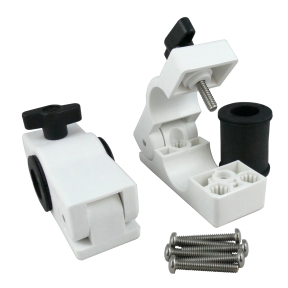
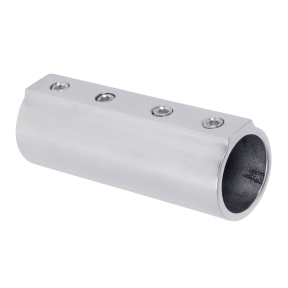
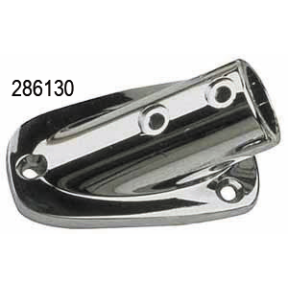
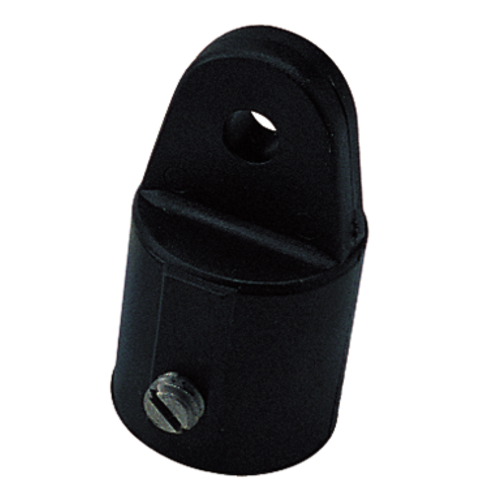
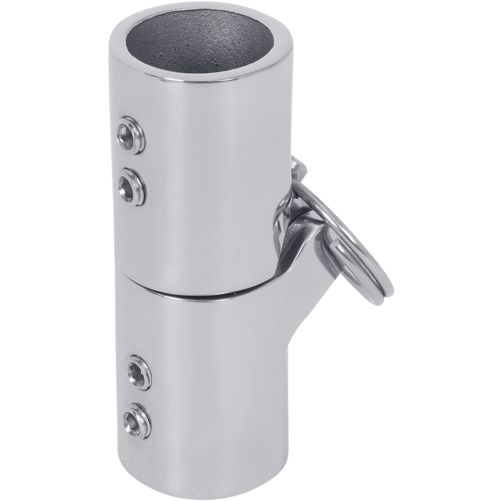
- Choose fittings (elbows, tees, bases, end caps, jaw slides, eye ends, deck hinges) compatible with your rail system and canvas hardware.
- Leverage expert guidance from Fisheries Supply for custom configurations and component selection.
Choosing the Right Boat Railing Hardware
Selecting rail components requires aligning materials and specifications with the intended use and environment. For offshore or saltwater exposure, 316 stainless steel (often polished or passivated) provides superior pitting and crevice corrosion resistance compared to 304. Consider:
- Material & Finish: 316 SS, electropolished/passivated where possible for maximum durability.
- Tube Size: Common ODs include 7/8", 1", and 1-1/4". Verify wall thickness for structural needs.
- Loading: Handhold vs. guardrail vs. stanchion loads; consider dynamic loads in heavy seas.
- Mounting Surface: Deck/core condition, backing plates, bedding compounds, and fastener spec.
- Compatibility: Ensure fittings interface with canvas systems (bimini, dodger) and existing hardware.
Fisheries Supply stocks components meeting marine industry expectations and can advise on substitutions or upgrades for legacy installations.
Custom Railing Solutions
Every boat is unique. Whether you are installing a dodger, pulpit, or a polished bow rail system, our team can help specify components, confirm tube sizes, and plan hardware layouts for reliable, repeatable results.
What to know about canvas compatibility
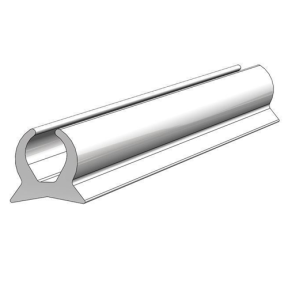
Most marine tubing and rail fittings are designed around standard tubing sizes used for bimini tops, dodgers, and related canvas structures. Before ordering, confirm the tube outside diameter, fitting style, and attachment points against your existing frame or planned layout.
For related accessories, see our selection of marine canvas snaps and hardware.
Boat Railing System Components
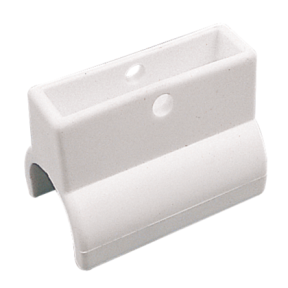
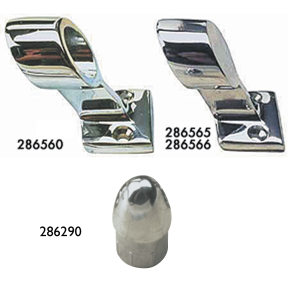
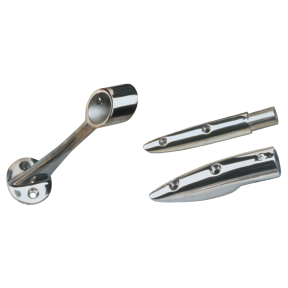
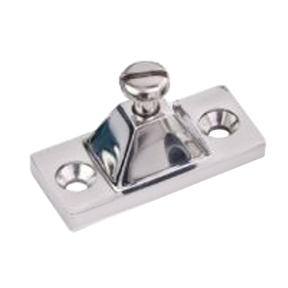
- Rail mounts
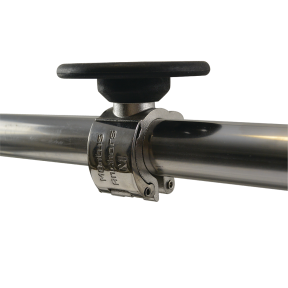
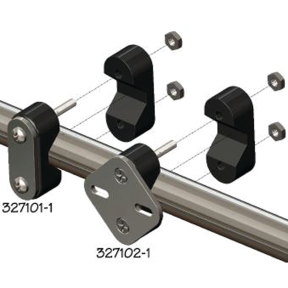
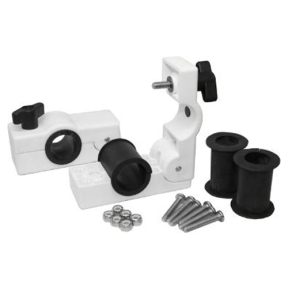
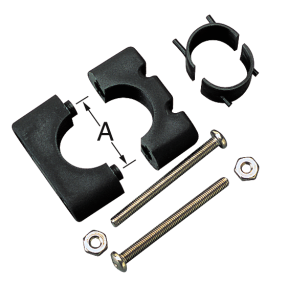
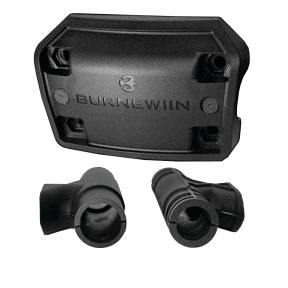
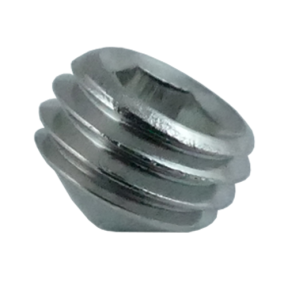
- Clamps and attachments for modular adjustments and accessory integration.
- Fittings
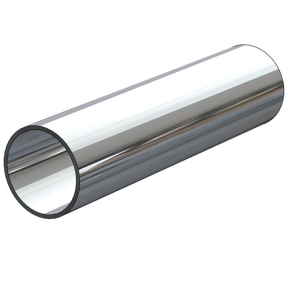
- Marine-grade stainless tubing
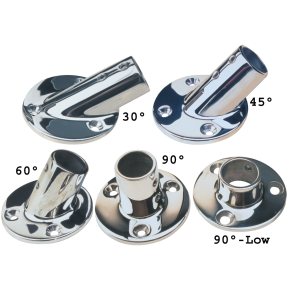
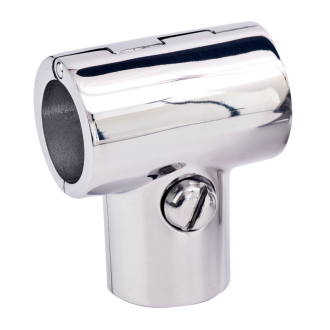
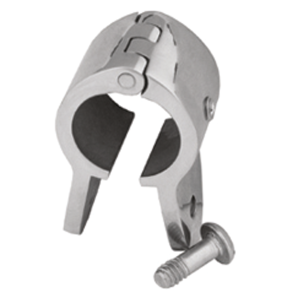
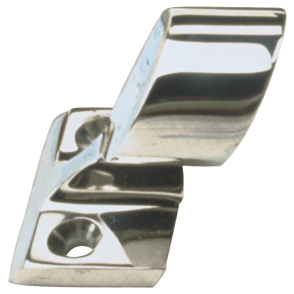
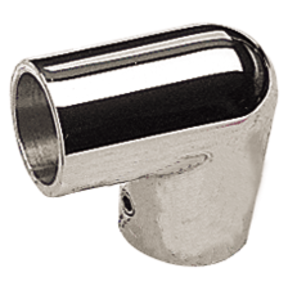
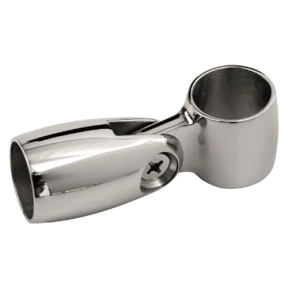
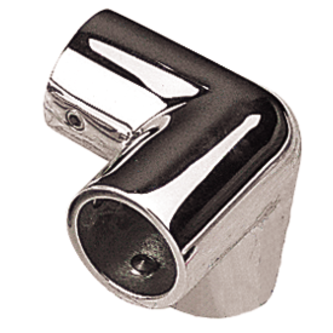
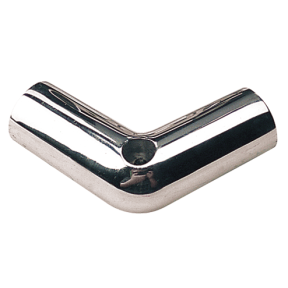
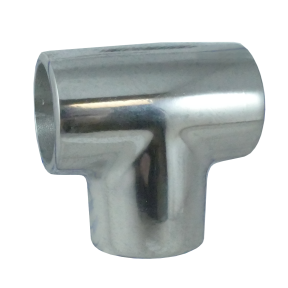
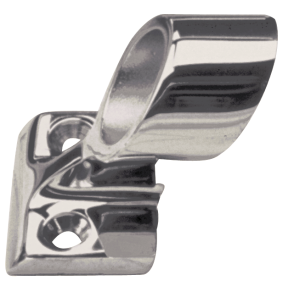
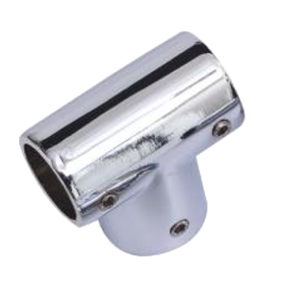
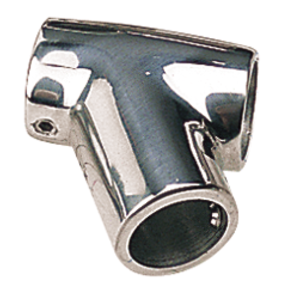
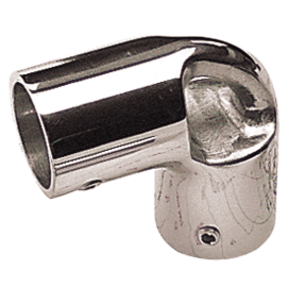
- Elbows (30°, 45°, 60°, 90°) and Tees for directional changes and junctions.
- Brackets and stanchion mounts for lifelines and guardrails.
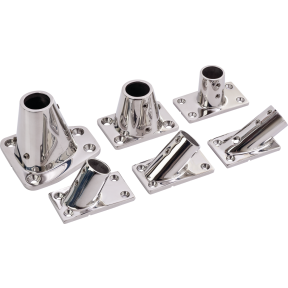
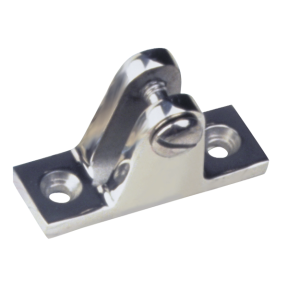
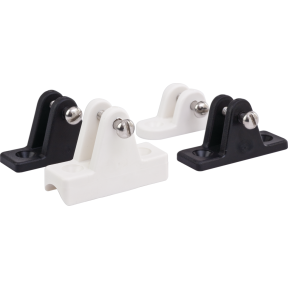
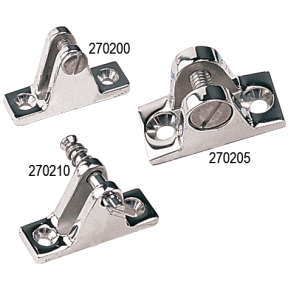
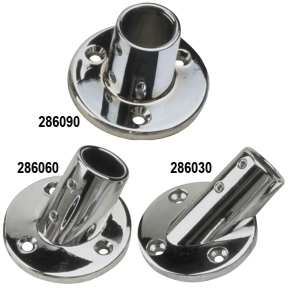
- Bases and deck hinges for secure deck or cabintop mounting.
- Mounting kits
- Boat bow rail kit
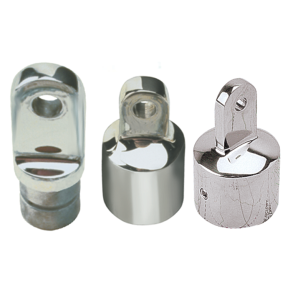
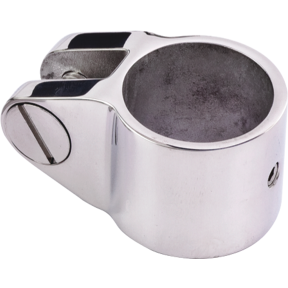
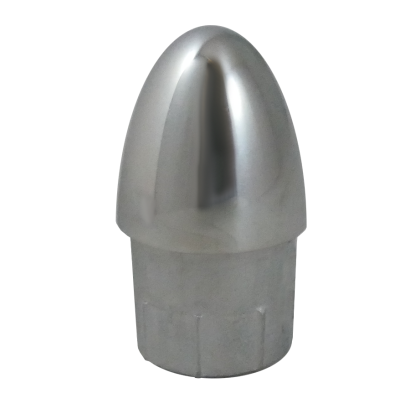
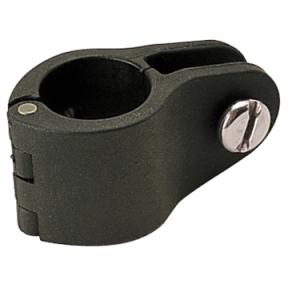
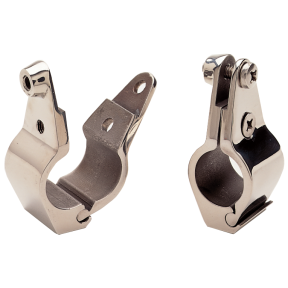
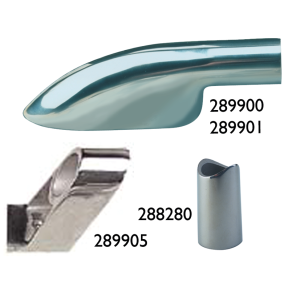
- Jaw slides, eye ends, and end caps for connecting tubing and canvas frames.
Each fitting is available in sizes matching standard marine tubing to ensure a snug fit and long service life when installed with appropriate fasteners and bedding.
Installation & Safety Considerations
Can I install marine tubing and rail fittings myself?
Many marine rail fittings can be installed by experienced DIY boat owners with basic tools, but safe installation depends on correct tube sizing, careful alignment, secure fastening, backing plates where needed, and proper bedding to protect the deck or cabintop.
- Back up fittings with appropriate backing plates on cored decks; isolate from moisture ingress.
- Use marine sealants compatible with stainless and substrates; avoid galvanic couples with dissimilar metals.
- Torque fasteners per manufacturer guidance; re-check after initial sea trials.
- Where applicable, align with ABYC guidance for handhold placement and guardrail height.
Additional Questions
What types of fittings are available for marine rail systems?
Common marine rail fittings include elbows, tees, bases, end caps, jaw slides, eye ends, and deck hinges. Choose fittings that match your tubing diameter and intended use.
How do I choose between 304 and 316 stainless?
For saltwater or offshore use, 316 stainless steel typically offers better pitting and crevice corrosion resistance than 304 stainless steel.
What tube diameter is best for handholds versus lifelines?
Handholds commonly use 1" or 1-1/4" outside-diameter tubing for grip and stiffness. Lifeline hardware should match the stanchions, terminals, and wire size used in your existing system.