Marine Cordage: Ropes for Your Boat
At A Glance
- Modern marine ropes are made from durable synthetic materials.
- Construction type affects handling, strength, and application.
- Proper maintenance extends rope lifespan and reliability.
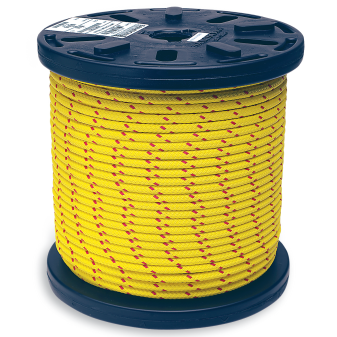
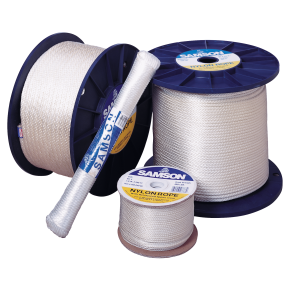
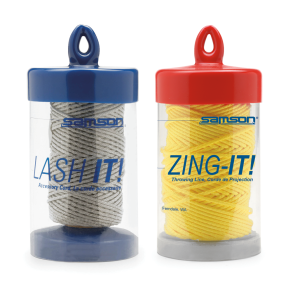
At Fisheries Supply , we stock a broad range of marine cordage. Our inventory includes general-purpose cordage and industrial-grade marine rope suited for both everyday tasks and demanding onboard applications.
Understanding Marine Cordage
Traditional cotton sailing ropes have largely been replaced by modern marine lines made from synthetic fibers. Today's marine cordage is commonly manufactured from materials such as nylon, Dyneema, polyester, and polypropylene.
These materials are selected for their strength, flexibility, and resistance to UV exposure and saltwater. Whether the task is mooring, anchoring, or rigging, choosing the correct rope type directly affects safety, handling, and long-term performance.
Types of Marine Grade Ropes
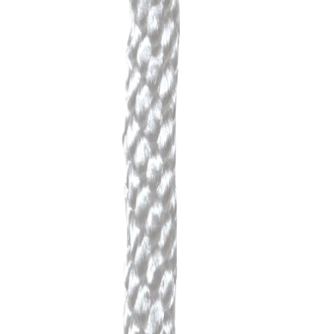
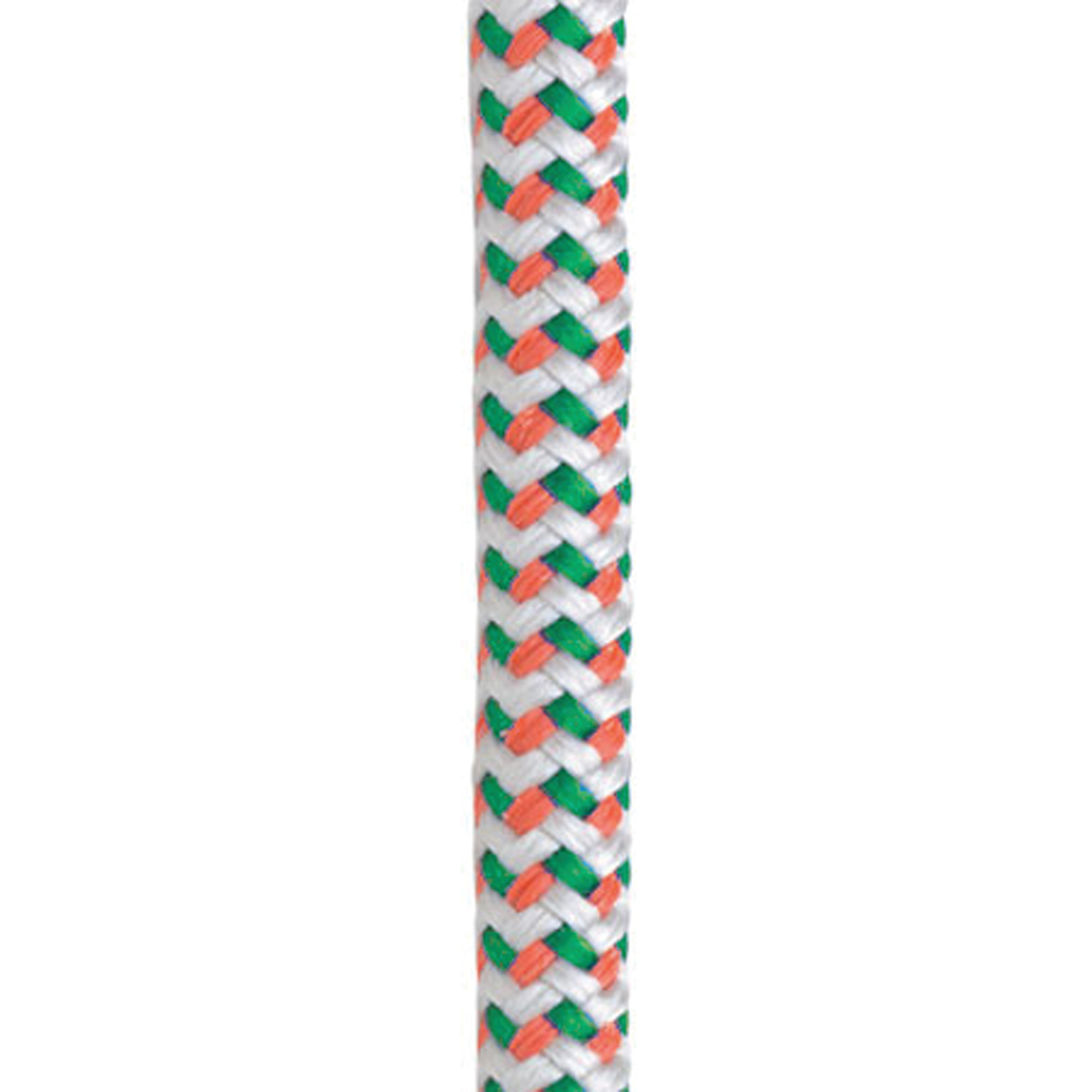
- Single Braid Ropes: Flexible, smooth-handling braided ropes suited for applications where ease of handling is important.
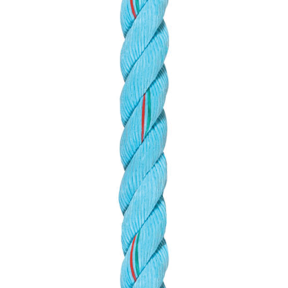
- 3-Strand Twisted Ropes: Traditional twisted construction that offers excellent grip and durability, commonly used for mooring and anchoring.
- Double-Braid Ropes: A balanced design combining strength and flexibility, frequently used for sailing and rigging.
Applications of Marine Ropes
- Mooring and Docking: Dock lines and mooring pennants designed to secure boats reliably at the dock or mooring.
- Anchoring: Nylon anchor lines that provide the stretch and strength needed to manage loads while anchored.
- Sailing and Rigging: Purpose-built lines for sailboat control and rigging, including high-performance rigging lines.
- Utility Ropes: Lightweight, rot-resistant options such as polypropylene 3-strand twisted rope , commonly used for general-purpose tasks in marine environments.
Tips for Maintaining Your Marine Ropes
- Regular Cleaning: Rinse ropes with fresh water before storage to remove salt and debris.
- Inspection: Check routinely for wear, abrasion, or damage, especially near hardware and chafe points.
- Proper Storage: Store cordage in a cool, dry location out of direct sunlight to extend service life.
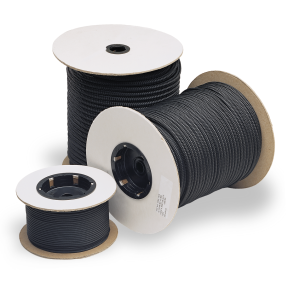
Selecting the right marine cordage supports both safety and performance onboard. From mini-braid lines to twisted polypropylene float lines and traditional manila ropes, marine cordage serves both general utility and task-specific needs.
Frequently Asked Questions
What is general-purpose cordage used for?
General-purpose cordage is versatile and commonly used for securing gear, tying down equipment, towing, and handling general utility tasks on boats, as well as around the home or RV.
What is the difference between nylon, polyester, and polypropylene rope?
Nylon offers high strength with elasticity, polyester provides strength with low stretch and strong UV resistance, and polypropylene is lightweight and floats but is less durable than other synthetic options.
Are natural fiber ropes suitable for marine use?
Natural fiber ropes such as manila or hemp are traditional options, but they are less durable in marine environments and more prone to rot than synthetic ropes.
How do I choose between nylon, polyester, and polypropylene for general marine use?
The right material depends on your specific application. Nylon is highly elastic and strong, making it ideal for shock-absorbing tasks like docking or anchoring. Polyester is preferred for rigging and general use because it has very low stretch and high UV resistance. Polypropylene is a lightweight, economical choice that floats, making it perfect for safety lines or any application where you need the rope to stay on the water's surface.
What are the main differences between 3-strand and braided rope construction?
3-strand twisted rope is traditional, economical, and very easy to splice, making it a favorite for anchor and dock lines. Braided rope, including single and double-braid, offers a higher strength-to-weight ratio, is smoother on the hands, and runs more efficiently through pulleys and hardware. While 3-strand provides more stretch, braided lines are generally more durable and flexible.
Why should I consider the "stretch" or elasticity of a rope?
Elasticity determines how a rope reacts under load. High-stretch ropes (like nylon) act as shock absorbers, protecting your boat's hardware during heavy surges. Low-stretch ropes (like polyester or high-modulus fibers) are necessary when you need precise control and stability, such as in sailing rigging or halyards, where you don't want the line to lengthen under pressure.
How do I determine the correct rope diameter for my boat?
Diameter affects both breaking strength and handling. While a smaller diameter may meet the minimum breaking load for a small boat, larger diameters are often chosen because they are easier to grip and offer more resistance to chafe. As a general rule, ensure the rope's breaking strength is at least five times the weight of the maximum load it will encounter.
What is the best way to maintain marine cordage and extend its lifespan?
To keep your lines in peak condition, rinse them regularly with fresh water to remove salt and grit that can abrade the fibers. Store ropes in a cool, dry, and shaded area when not in use to prevent unnecessary UV degradation. Periodically inspect the entire length for signs of fraying, stiffness, or discoloration, which are common indicators that the rope needs replacement.