
Mooring Snubbers for Safe Docking, Mooring, and Anchoring
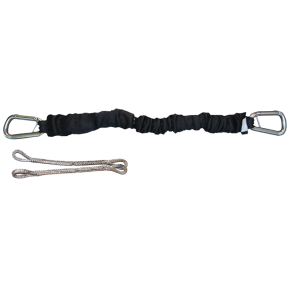
Mooring snubbers, also called dock line snubbers or boat snubbers, act as shock absorbers in a mooring system. Installed inline or alongside a mooring line, they offer elasticity that reduces sudden load spikes.
Key Takeaways
- Reduce shock loads from wind, waves, and wakes
- Protect cleats, hardware, and dock structures
- Extend the service life of mooring lines
- Improve comfort and stability at the dock
Understanding Mooring Snubbers
By easing peak loads, snubbers help protect deck hardware, cleats, and pilings while also reducing wear on the line itself. The result is a quieter, more stable boat at the dock or mooring, with less long-term stress on both the boat and the dock structure.
Types of Mooring Snubbers
Different snubber designs manage shock loads in different ways. Choosing the right style depends on boat size, exposure, and how the line is rigged.
- Rubber snubbers – Wrap or weave onto an existing mooring line, using rubber’s natural ability to absorb tensile, compressive, and shear loads.
- Bungee snubbers – Use elastic cord housed in a protective sheath to provide a smooth, linear response to sudden loads.
- Spring snubbers – Clip or tie into the line to absorb shock while retaining the line as a mechanical failsafe.
Enhancing Mooring Systems with Thimbles
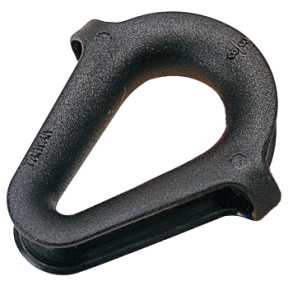
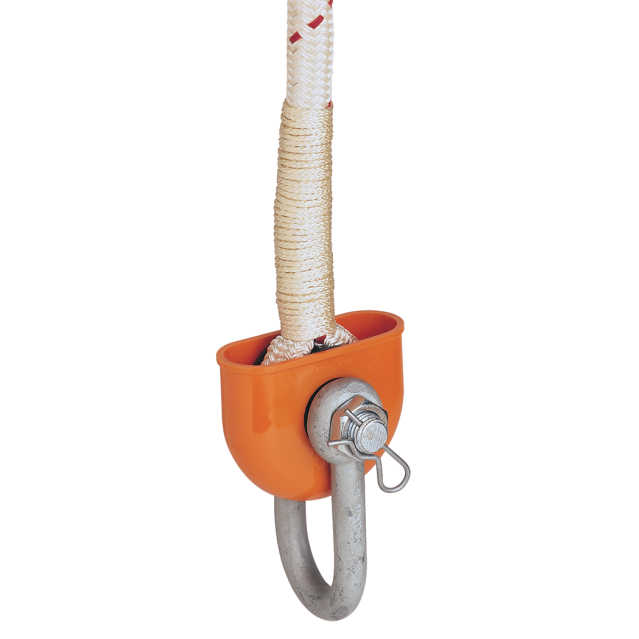
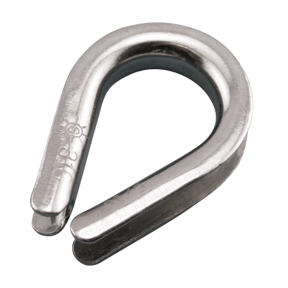
Thimbles are often used alongside snubbers to improve overall system durability. Installed in the eye of a mooring line, a thimble maintains the rope’s shape and protects it from chafe where it bears against shackles or hardware.
When thimbles and snubbers are used together, they reduce both shock loading and abrasion—two of the most common causes of premature line failure in permanent or semi-permanent mooring setups.
Other Mooring and Line Accessories
Fisheries Supply stocks a broad selection of boat snubbers, chafe protection, and line-handling accessories from trusted marine brands. These components help fine-tune mooring and docking systems for both recreational and professional use.
Adding snubbers and chafe protection is a wothwhile investment that lowers the risk of line failure and helps protect deck fittings, docks, and pilings over time.
Frequently Asked Questions
How do chafe guards protect my lines?
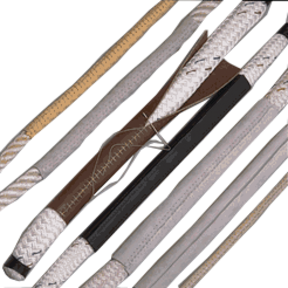
Chafe guards prevent abrasion and wear on ropes where they contact cleats, chocks, or other rough surfaces, helping extend the usable life of the line.
What is a thimble in marine rigging?
A thimble is a metal or plastic insert placed in the eye of a spliced rope to protect it from wear, most commonly where it bears against a shackle.
Can I install line accessories myself?
Yes. Most accessories, including chafe guards, thimbles, and snubbers, are designed for straightforward DIY installation with basic tools.
What is the primary purpose of a mooring snubber?
A mooring snubber acts as a shock absorber for your boat's dock lines. By adding elasticity to the line, it cushions the impact of wind, waves, and tidal surges, which significantly reduces the peak loads and strain placed on your deck cleats and mooring points.
How do I choose between a rubber, bungee, or spring-style snubber?
Rubber snubbers are highly durable and typically wrap around the line to absorb shear loads. Bungee-style snubbers provide a linear elastic response ideal for lighter "snatch" loads, while stainless steel spring snubbers offer a mechanical failsafe and are often preferred for heavy-duty mooring where high tensile strength is required.
Why should I use a thimble in my rope eye-splices?
Thimbles are protective inserts—usually made of stainless steel, galvanized steel, or nylon—that maintain the shape of a rope eye. They prevent internal abrasion and "chafing" caused by friction against shackles, pins, or hooks, ensuring the rope does not wear through at its most vulnerable connection point.
What is the difference between a chafe guard and a snubber?
A chafe guard is a protective sleeve (often made of leather, polyester, or heavy-duty plastic) designed to prevent friction wear where a line touches a chock or a pier edge. A snubber is a device integrated into the line to provide stretch and energy absorption. While a chafe guard prevents surface damage, a snubber prevents structural strain.
When should I use waxed whipping twine instead of standard twine?
Waxed whipping twine is preferred for permanent marine finishes because the wax coating helps the twine "bite" into the rope fibers, preventing the wrap from sliding. It also offers superior resistance to UV degradation and water absorption, making it the standard choice for sailmaking and finishing the ends of three-strand or braided lines.