



Sail Ties, Webbing & Buckles at Fisheries Supply
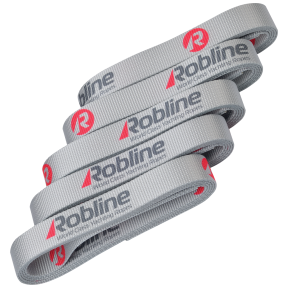
Sail ties and marine webbing play a practical role in keeping sails secure and easy to manage. Whether you’re flaking a mainsail at the dock or lashing gear on deck, the right ties help prevent wear, tangles, and unnecessary strain. At Fisheries Supply, these ties are selected with sailing and installation needs in mind.
At a Glance
- Use tubular webbing sail ties to reduce flapping and sail wear.
- Choose webbing materials suited to load, stretch, and UV exposure.
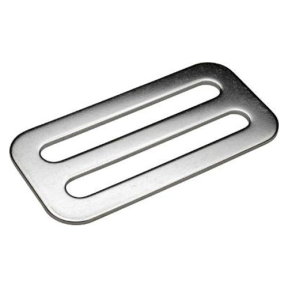
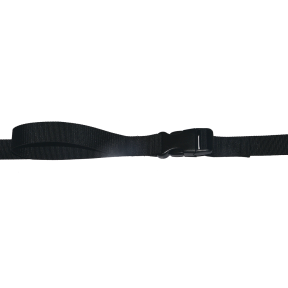
- Adjustable buckles make sail ties faster and easier to use.
- Custom-length webbing helps match gear to specific onboard needs.
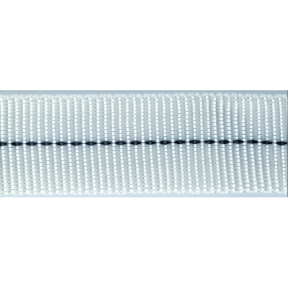
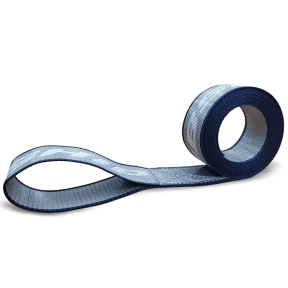
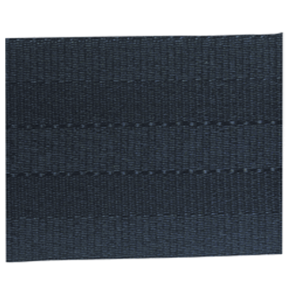
Most sail ties and webbing are made from proven marine materials such as polypropyleneand nylon, chosen for their strength, flexibility, and durability in a demanding marine environment. Tubular webbing is commonly used for sail ties because it resists stretching and holds up well to sun exposure.
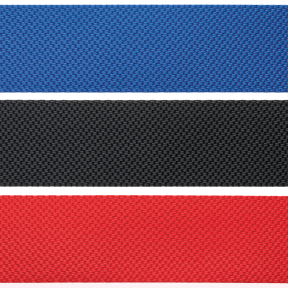
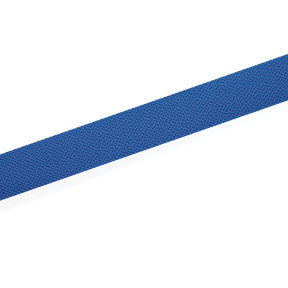
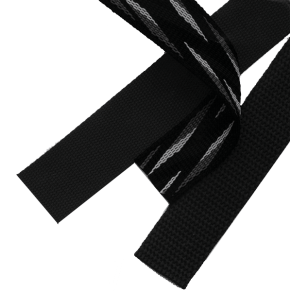
Fisheries Supply carries a broad selection of sail ties and boat webbing to suit both recreational and professional applications. Options include rope ties for boats in multiple lengths and heavy-duty nylon webbing sold by the foot, making it easy to cut custom lengths for specific projects.
Our inventory includes well-known marine brands such as Bainbridge Internationaland Marlow, both widely used by sailors and riggers for dependable performance.
You can also browse our selection of sailing ropefor running rigging and related onboard applications.
Frequently Asked Questions
What is the difference between webbing and rope for sail ties?
Webbing is often preferred over rope for sail ties because it winds more neatly, takes up less space, and is less likely to cause furler jams. It is also generally stronger and stretches less than rope, which helps maintain consistent tension.
How do I properly secure sail ties using webbing?
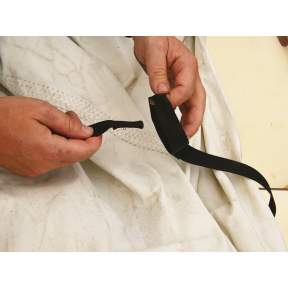
To secure sail ties with webbing, form a loop at one end and pass the webbing around the sail. Thread the free end through the loop, cinch it tight, and finish with a slipped half-hitch around the standing part.
What types of webbing are best for marine applications?
Nylon and polyester webbing are commonly used in marine settings. Nylon offers high strength with some elasticity, while polyester provides better UV resistance and lower stretch, making it well suited for sailing and rigging uses.
What are the most common uses for sail ties on a boat?
Sail ties are primarily used to secure a flaked or furled sail to a boom or stay, preventing the wind from catching the sailcloth. They are also highly versatile for temporarily securing gear, coiled lines, or even tidying up various items on deck during transport.
What is a jackline and why is the material choice important?
A jackline is a safety line run from bow to stern that sailors clip their safety harnesses into. It is typically made from flat polyester webbing rather than round rope because the flat profile prevents the line from rolling underfoot, reducing the risk of a crew member slipping when walking on deck.
How do ball-end shock cords compare to traditional sail ties?
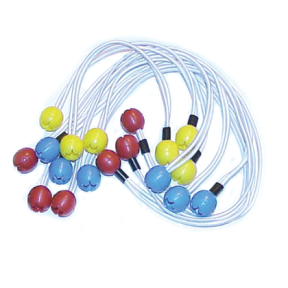
Ball-end shock cords (or bungee ties) offer a faster, "one-handed" method for securing sails compared to traditional webbing strips that require knots or buckles. The elastic nature of the shock cord provides constant tension, which helps keep the sail bundle tight even as the cloth shifts or settles.
Can I buy marine webbing by the foot or only in full rolls?
Most marine webbing and tubular nylon products are available both by the foot for custom projects and in bulk spools (typically 150 to 300 feet) for complete rigging overhauls or professional applications, allowing you to purchase exactly what is needed for your specific boat.