Marine Raw Water Strainers for Boat Intake Systems
This categoy helps boat owners select, install, and maintain raw water (sea) strainers used in seawater intake systems.
Key Takeaways
- Protect engines and onboard systems by filtering seawater before the pump.
- Size by hose diameter, required flow, and basket open area—not just by thread size.
- Mount close to the seacock with straight, short runs for easy service.
- Inspect bowls, baskets, and seals regularly to prevent overheating and pump damage.
What a Sea Strainer Does—and Why It Matters
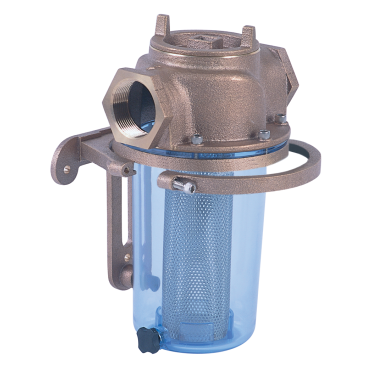
A sea strainer prevents weeds, shells, and debris from entering engine cooling and domestic water circuits. It is installed on the intake side of the pump, downstream of the hullseacock and upstream of heat exchangers, air conditioners, or heads. Reliable filtration reduces clogging, minimizes pump wear, and maintains proper flow for cooling performance.
Common Applications
- Inboard and sterndrive engine cooling (direct or heat-exchanger systems).
- Deck washdowns.
- Galley and utility seawater taps.
- Saltwater toilets and treatment units.
Materials
Choose materials for corrosion resistance, service life, and compatibility:
- Bronze bodies for durability in saltwater service.
- 316 stainless baskets for corrosion resistance.
- Engineered polymers and Marelon for non-metallic, corrosion-proof options.
How to Size and Select a Raw Water Strainer
- Match Hose & Flow
- Hose size must match the pump and engine inlet to avoid bottlenecks.
- Verify the strainer’s rated flow exceeds system demand with margin; consider total basket open area and mesh.
- Serviceability
- Choose top-service designs with clear bowls for quick visual checks.
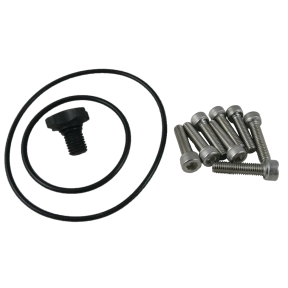
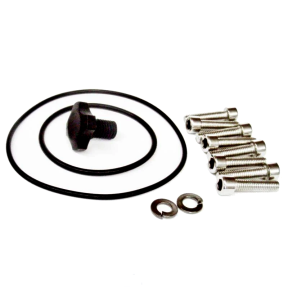
- Confirm parts availability (baskets, caps, gaskets, O-rings) for your brand and model.
- Brand & Model Examples: Popular options include GROCO ARG series, Perko 0493/0500 series, and Vetus FTR series, each offering baskets, drains, and mounting flexibility. Browse our inventory of sea strainers.
Installation & Placement Best Practices
- Mount close to the seacock with short, straight hose runs to minimize suction losses.
- Allow vertical clearance to remove the basket and to tighten the cap evenly.
- Follow the manufacturer’s flow arrow or labeled inlet/outlet ports.
- Use marine-grade hose, double clamps where appropriate, and seal threads per manufacturer guidance.
Maintenance: Keep Flow High and Leaks Low
- Inspect and clean the basket regularly—especially after weedy runs.
- Check cap O-rings/gaskets; replace if flattened, cracked, or swollen.
- Verify bowl integrity and look for air bubbles (sign of an air leak on suction side).
- Winterize using the provided drain plug if equipped; re-lubricate seals with manufacturer-approved grease.
Troubleshooting Symptoms
- Reduced exhaust water or rising temperature: Basket clogged, collapsed hose, or worn impeller.
- Air in clear bowl: Loose cap, tired O-ring, or suction-side leak.
- Persistent debris: Consider finer mesh or a self-cleaning strainer for heavy weed areas.
Frequently Asked Questions
How often should I clean my raw water strainer?
Check before outings and clean whenever you notice debris or reduced flow. In high-debris waters, inspect every trip.
How do I know if my strainer is failing?
Look for leaks around the cap, air bubbles in the bowl, or reduced exhaust water. Overheating may also indicate a clogged basket or worn pump impeller.
Where should I mount the strainer?
As close to the seacock as practical, with vertical clearance to remove the basket. Follow your model’s installation guidance for above/below waterline placement.
Which material is best for saltwater?
Bronze bodies are rugged for seawater; 316 stainless baskets offer corrosion resistance; non-metallic options like Marelon resist corrosion and are lightweight.