Boat Drainage Solutions: Scuppers, Drains, and Plugs
Keeping water off the deck and out of the bilge is essential for safety and performance.Fisheries Supply offers a selection of boat scuppers, scupper drains, drain plugs, and related hardware to build a reliable, standards-aware drainage system.
Key Takeaways
- Function: Scuppers and drains move deck and cockpit water overboard; drain plugs let you quickly evacuate bilge water on the hard.
- Selection: Match hardware to hull type, cockpit/deck layout, flow rate needs, and valve style (flapper, ball, duckbill).
- Maintenance: Inspect valves, hoses, and thru-hulls; clean debris screens; replace worn elastomers to maintain one-way performance.
Understanding Boat Scuppers and Drains
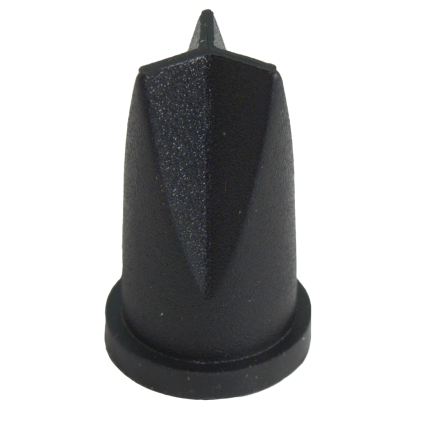
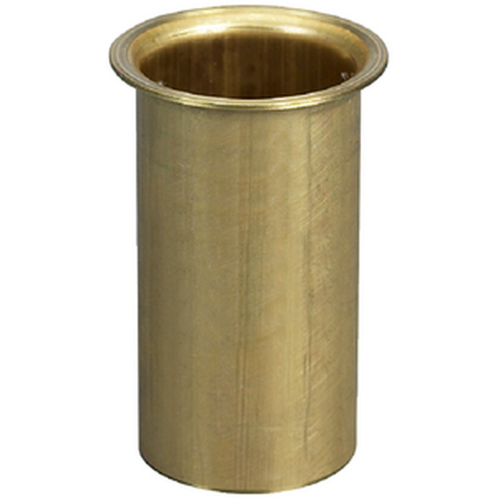
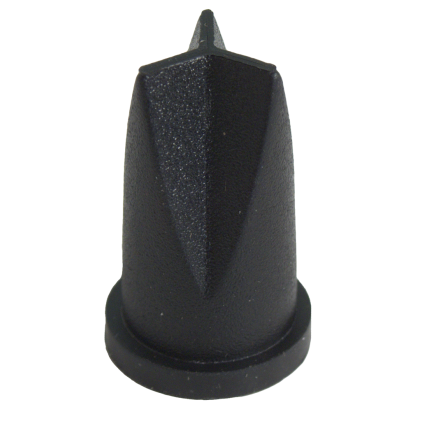
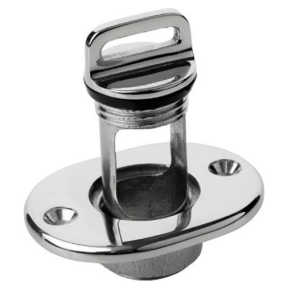
A scupper is an opening or fitting that lets water drain from a deck or cockpit to the exterior, often through the hull side or transom. A drain refers to the fitting or tube routing water from a specific area (e.g., cockpit well) to an overboard discharge. One-way accessories—flapper, ball, or duckbill valves—reduce backflow and splash-in during following seas.
Common scupper formats
- Low-profile scuppers for a sleek, snag-free deck appearance.
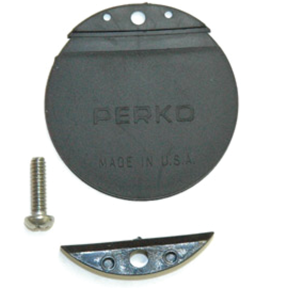
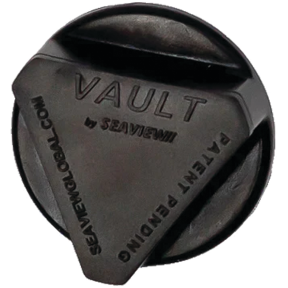
- Retractable/closeable scuppers typically used on small boats and racing dinghies that need temporary closure at rest.
- High-capacity scupper kits sized for cockpits handling large, fast drainage volumes.
Our selection supports various hull types and sizes. Whether you need a simple drain or a system upgrade, our product experts can help you match components to your boat.
The Importance of Boat Drain Plugs
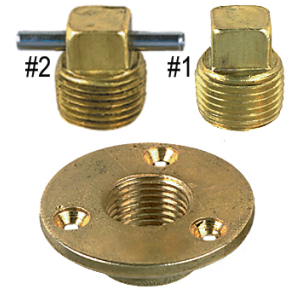
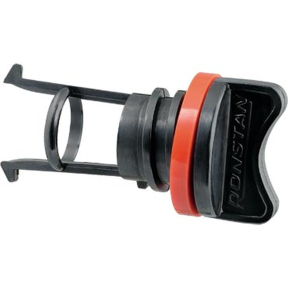
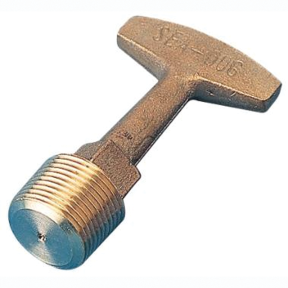
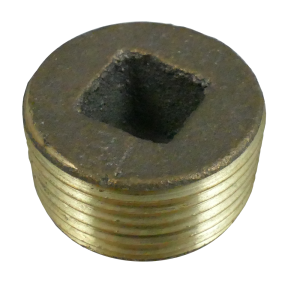
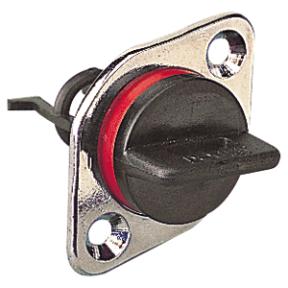
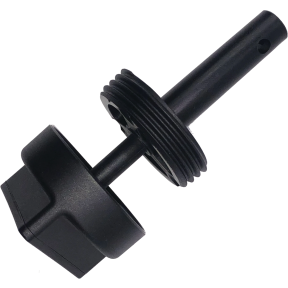
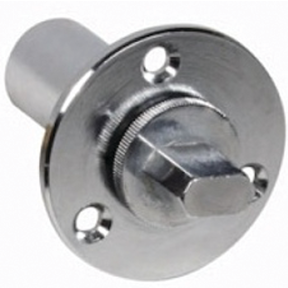
A drain plug allows rapid water emptying on the trailer or during yard periods and provides a positive seal underway.
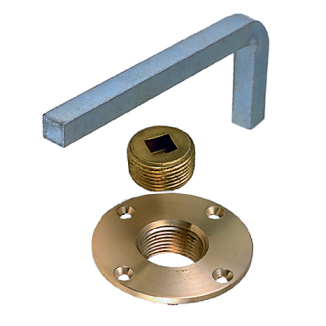
- Threaded plug kits for secure, serviceable installs.
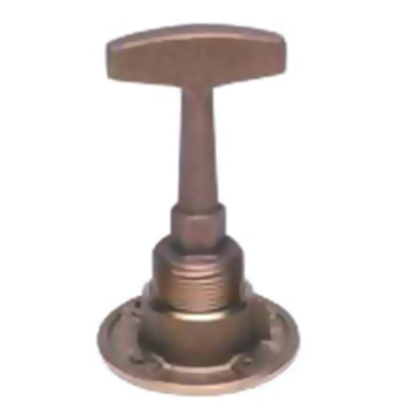
- Scupper plugs to temporarily seal scuppers when needed.
- Specialized plugs sized to unique hull and transom configurations.
How to Select Scuppers and Drains
- Boat profile: Length, beam, freeboard, and cockpit depth determine required drainage capacity.
- Zones to drain: Deck, cockpit, lazarette, and deck lockers may need dedicated overboard paths.
- Valve strategy: Choose flapper, ball, or duckbill one-way protection based on sea state exposure and typical loading.
- Materials: Stainless steel or bronze improves durability over plastic in demanding saltwater use.
- Serviceability: Favor hardware with accessible fasteners, replaceable elastomers, and compatible hose barbs/ODs.
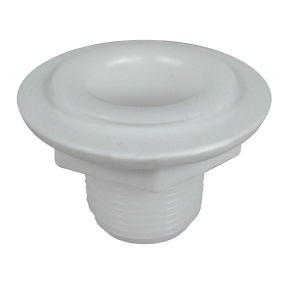
Tip: Replacing plastic scuppers with metal (stainless or bronze) can extend service life in demanding environments.
Installation & Maintenance Essentials
- Layout: Minimize hose runs and bends; keep runs descending continuously to prevent standing water.
- Backflow control: Confirm one-way valves seal without binding; replace worn flappers or duckbills promptly.
- Periodic checks: Inspect after heavy rain or green-water events; clear debris screens and verify fasteners/bed sealant.
- Haul-out routine: Remove drain plugs on the hard; tag and stow where you’ll reinstall before launch.
Frequently Asked Questions
What is the difference between a scupper and a drain?
A scupper is an overboard opening or fitting for deck/cockpit water; a drain is the routed pathway (tube/fitting) carrying water from a local area to the scupper discharge.
What is a one-way scupper valve?
A one-way valve (flapper, ball, or duckbill) lets water exit but resists backflow from waves, wakes, and following seas.
Can I replace a plastic scupper with a metal one?
Yes. Upgrading to stainless steel or bronze can improve UV, impact, and corrosion resistance—ideal for high-exposure saltwater use.
How do I size scuppers for my cockpit?
Estimate peak water ingress and choose scupper area and hose size to evacuate that volume quickly, considering cockpit depth and freeboard. Consult standards guidance for cockpit draining performance targets.
How often should I service scupper valves?
Inspect each season and after heavy-weather events; clean debris, verify free movement, and replace elastomer parts at the first sign of sticking or cracking.