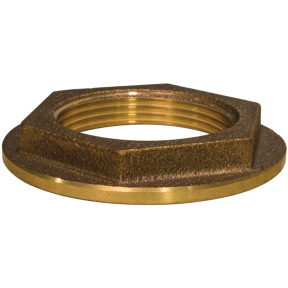
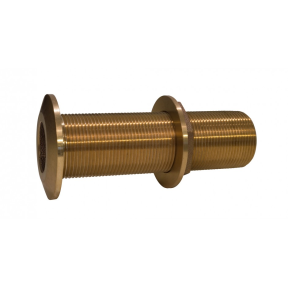
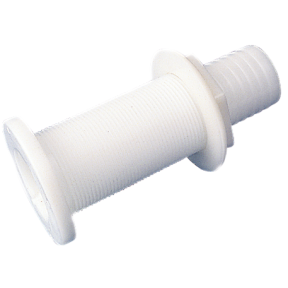
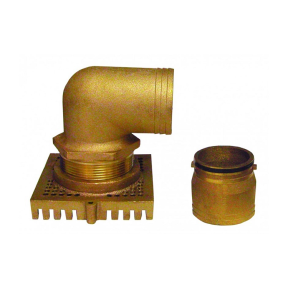

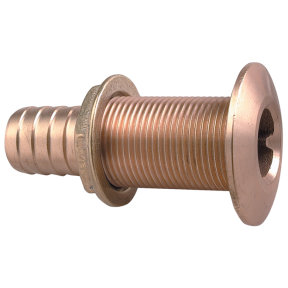
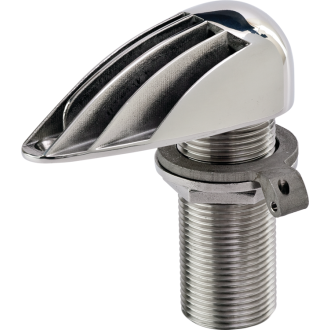
Boat Thru-Hull Fittings and Intake Strainers
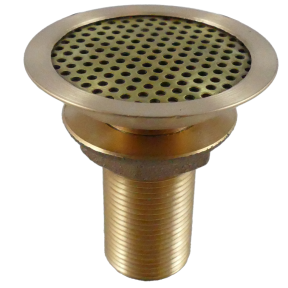
Thru-hull fittings and intake strainers are critical components in any onboard water system. At Fisheries Supply, we stock a wide inventory of marine thru-hull fittings and related plumbing hardware to support recreational boaters, DIY owners, and professional installers.
At a Glance
- Thru-hull fittings allow water access through the hull
- Seacocks control and shut off water flow
- Intake strainers protect systems from debris
- Material choice affects durability and compatibility
- Annual inspection helps prevent failures
Our inventory includes proven products from established marine manufacturers such as Perko, Marine Hardware, and Groco.
Understanding Thru-Hull Fittings
Proper installation of a boat thru-hull fitting is essential for maintaining hull integrity and preventing leaks below the waterline.
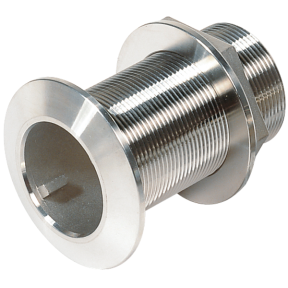
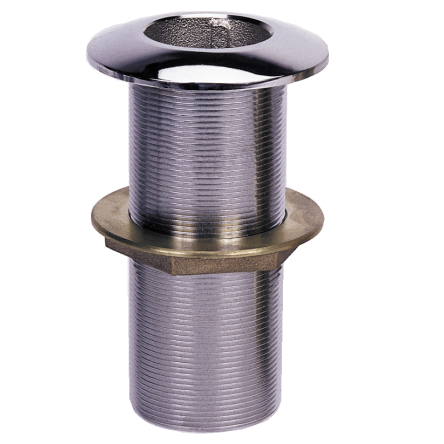
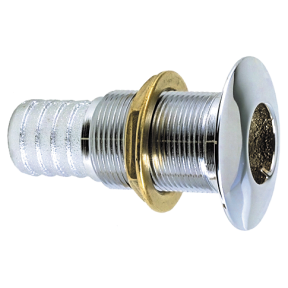
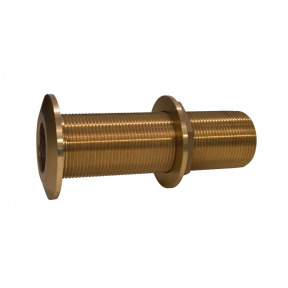
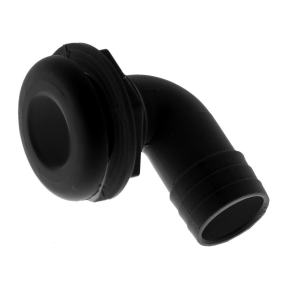
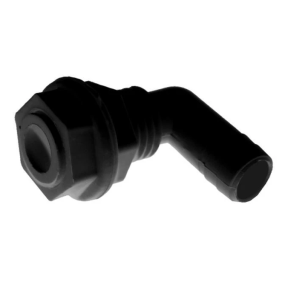
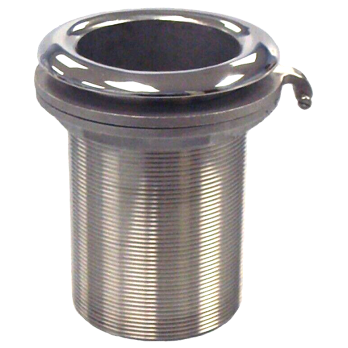
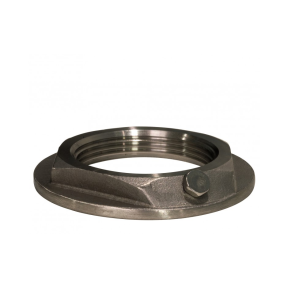
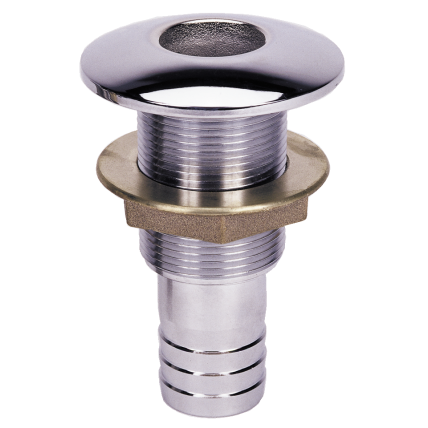
Seacocks, sometimes referred to as thru-hull fittings, allow water to pass safely through the hull to serve onboard systems. Our experienced staff can help you select the right thru-hull or seacock for your specific application.
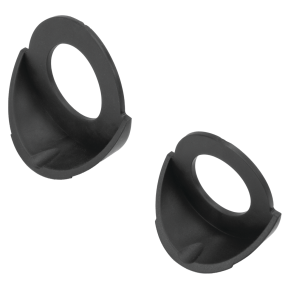
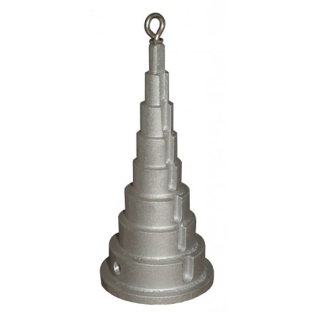
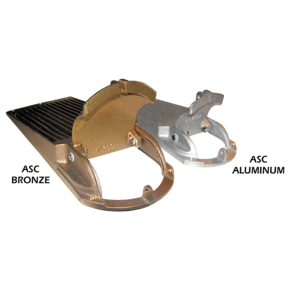
Intake strainers work alongside thru-hull fittings to protect onboard systems. Marine seacocks with integrated strainers help filter debris from incoming water, reducing the risk of clogs or damage to engines, air-conditioning systems, and other equipment.
Common Thru-Hull Fitting Materials
Thru-hull fittings are available in several materials, each suited to different installations and operating conditions. Common options include:
- Bronze
- Stainless steel
- Plastic
- Aluminum
- Synthetic materials
- Marelon
- Chromed zinc
The Importance of Intake Strainers
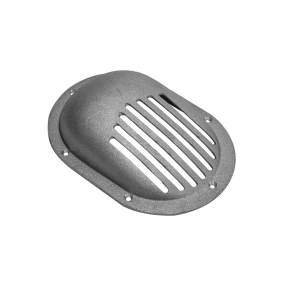
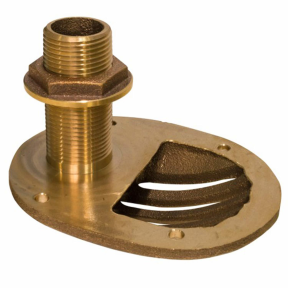
Intake strainers play a key role in protecting raw-water systems. Adding a scoop strainer or installing a marine intake strainer inline before the water pump helps block debris before it reaches critical components.
Maintenance: Key to Long-Term Reliability
Regular inspection and maintenance of seacocks and strainers are essential for safe operation. Annual checks are especially important, as poorly maintained fittings are a known cause of flooding and engine overheating.
Keeping these components clean, accessible, and in good working condition helps extend their service life and supports overall boat safety.
Frequently Asked Questions
What is the purpose of a thru-hull fitting?
Seacocks, sometimes referred to as thru-hull fittings, allow water to pass through a boat's hull to serve various onboard systems.
Why are intake strainers used with thru-hull fittings?
Intake strainers work with thru-hull fittings to filter debris from incoming water, helping protect engines, air conditioners, and other equipment from clogging and damage.
What materials are commonly used for thru-hull fittings?
Thru-hull fittings are available in materials such as bronze, stainless steel, plastic, aluminum, synthetic materials, Marelon, and chromed zinc.
How often should seacocks and strainers be inspected?
Annual inspections are particularly important, as improperly maintained fittings can lead to flooding or engine overheating.
How do I choose between a barbed and a threaded thru-hull fitting?
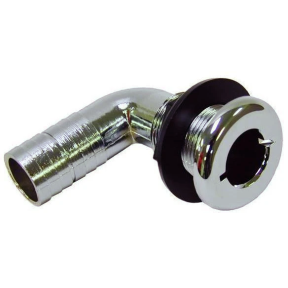
The choice depends on your plumbing connection: barbed thru-hulls are designed for direct hose attachment using hose clamps, while threaded thru-hulls (often NPT or NPS) are intended to be screwed directly into a seacock or a ball valve. Always ensure that the thread types match to prevent cross-threading and potential leaks.
Why is it important to match the port size of the thru-hull to my existing plumbing?
Matching the port size—common sizes include 1/2", 3/4", 1", and 1-1/2"—is essential for maintaining proper flow rates. Using a fitting that is too small can restrict water intake for engines or air conditioning units, leading to overheating, while an oversized fitting may require adapters that create additional leak points in the bilge.
Can I use Marelon thru-hulls with bronze valves or seacocks?
Yes, Marelon is a glass-reinforced nylon composite that is compatible with bronze fittings. Unlike mixing different types of metals, which can lead to galvanic corrosion, Marelon is non-conductive and will not react with bronze, making it a versatile choice for hybrid plumbing systems.