Boat Washdown Pumps, Hoses & Kits from Fisheries Supply
We carry raw-water and freshwater washdown solutions—from compact pumps to complete kits—sized for recreational and commercial boats.
Key Takeaways
- Match pump GPM and duty cycle to boat size and cleaning tasks.
- Choose raw water, freshwater, or dual-source plumbing based on use case and location.
- Use durable, kink-resistant hose and a corrosion-resistant nozzle for safe pressure control.
- Plan installation around reachable deck/anchor points, strainer access, and electrical protection.
What a Marine Washdown System Does
A washdown system draws seawater or freshwater and delivers pressurized flow to clear mud, fish scales, and grit from decks, cockpits, and ground tackle.
Brands We Carry
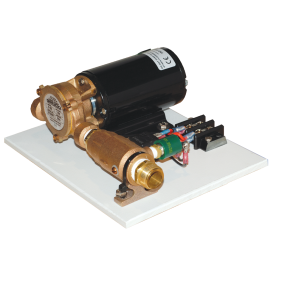
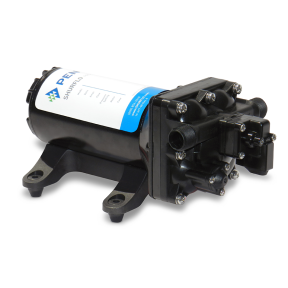
We stock trusted manufacturers, including Jabsco and Johnson Pump Marine, with pumps designed for both salt and freshwater environments.
Types of Boat Washdown Pumps
- Self-priming; can run dry briefly when protected.
- Good suction lift for bow lockers and anchor wells.
- Even pressure; tolerant of some debris when paired with a strainer.
- High flow potential; efficient for large cockpits and workboats.
- Require consistent priming and proper intake plumbing.
- Matched pump, strainer, hose, nozzle, and fittings for simplified install.
- Ideal for first installs or refits where parts compatibility matters.
How to Choose the Right System
- Location & Reach: Plan the outlet near the foredeck or cockpit.
- Water Source: Pick raw water, freshwater, or a selectable manifold for both.
- Capacity: Match flow rate (GPM) and pressure to boat size and soil load. Typical small boats: ~3–5 GPM; larger or commercial: 5–8+ GPM.
- Electrical: Verify circuit protection, conductor gauge, and duty cycle for the chosen pump.
- Plumbing: Use a strainer, proper thru-hull and seacock for seawater intakes; keep suction runs short.
- Hose & Nozzle: Choose abrasion-resistant, non-kinking hose with a pressure-rated nozzle for control.
Installation Overview
- Mount the Pump: Solid base, protected from spray; respect orientation and service access.
- Plumb the Intake: Add a seacock and strainer for raw water; for freshwater, tee off the water tank with a check valve.
- Wire the Circuit: Marine-grade tinned wire, proper fuse/breaker near source, sealed switch at point of use.
- Route the Hose: Avoid tight bends; use chafe protection; test reach to bow roller or cockpit drains.
- Commission: Prime per manufacturer guidance; check for leaks; verify pressure and thermal protection.
Note: Always follow your pump manufacturer’s installation manual
Maintenance & Troubleshooting
- Inspect strainers and clean screens regularly.
- Check for suction leaks, clogged nozzles, or undersized wiring if pressure drops.
- Winterize with potable antifreeze per pump manual where freezing is possible.
Frequently Asked Questions
What does “GPM” mean when sizing a washdown pump?
Gallons per minute measures the volume a pump delivers. Higher GPM clears heavy debris faster but requires suitable wiring and plumbing.
Can I install a washdown pump myself?
Yes—if you’re comfortable with basic DC wiring and marine plumbing. Follow the manufacturer’s instructions and protect intakes with a strainer.
Should I use raw water or freshwater?
Raw water is unlimited and ideal for anchor mud and fish cleaning. Freshwater is gentler on finishes. Many boaters plumb both via a selector or manifold.
How do I prevent corrosion and scale?
Rinse salt from metal fittings, keep hose ends clean, and periodically flush the system with freshwater. Inspect clamps and electrical terminals.