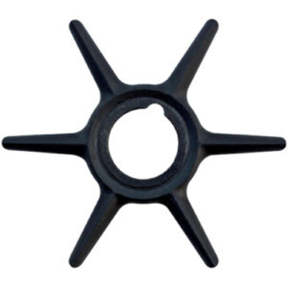
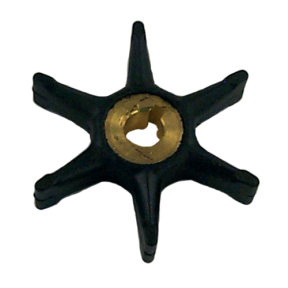
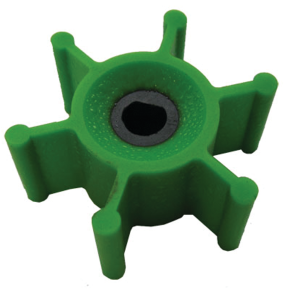
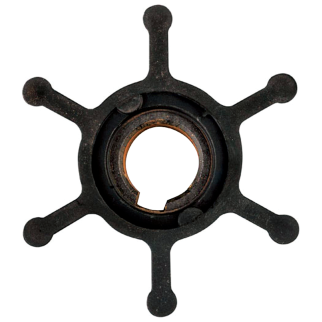
Boat and Marine Impellers
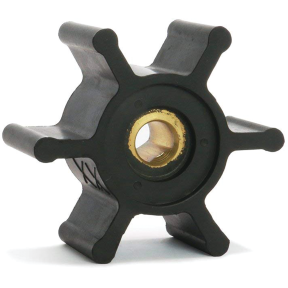
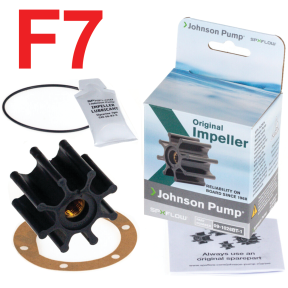
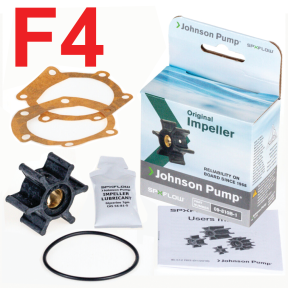
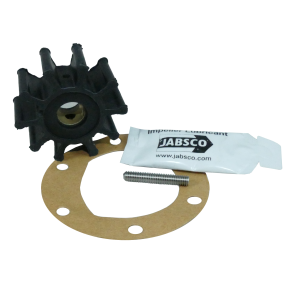
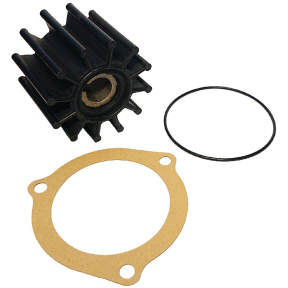
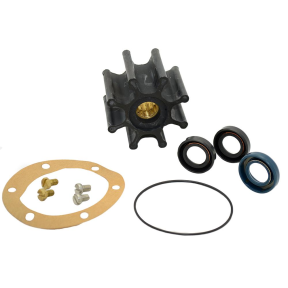
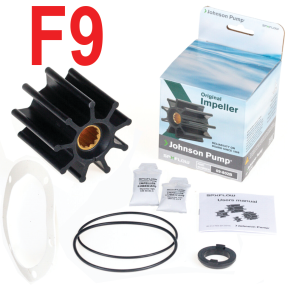
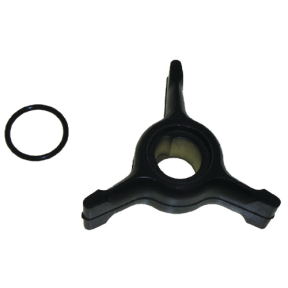
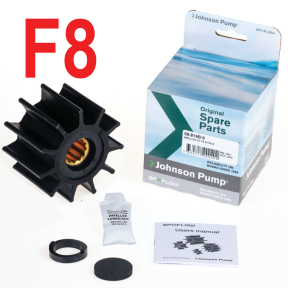
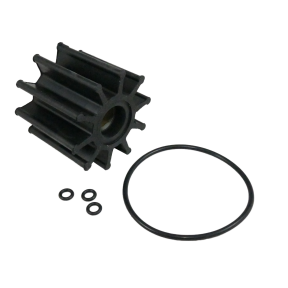
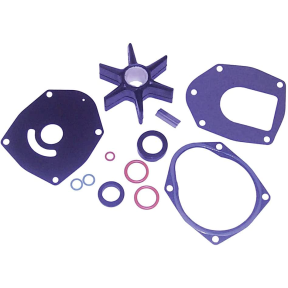
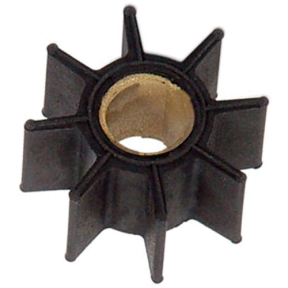
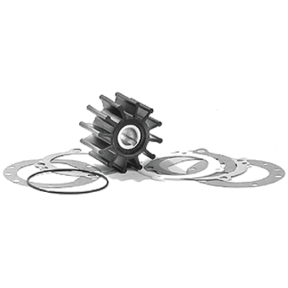
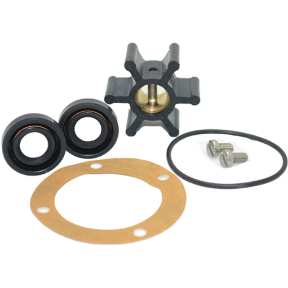
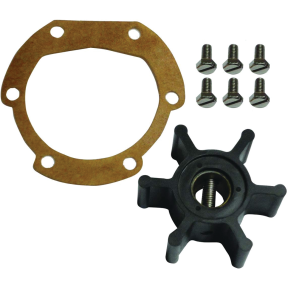
A boat engine impeller is a critical component of a boat’s raw-water cooling system. Installed inside the water pump, this flexible rotating part continuously draws seawater or freshwater through the system to manage engine temperature. Without a properly functioning impeller, engines can overheat rapidly, leading to costly damage.
Whether powering an outboard, inboard, or diesel engine, selecting the correct impeller supports reliability, efficiency, and long-term engine life.
Key Takeaways
- Supports continuous engine cooling and temperature control
- Requires periodic inspection and scheduled replacement
- Must match engine model, material, and drive design
- Prevents overheating and premature pump failure
What Is a Boat Engine Impeller?
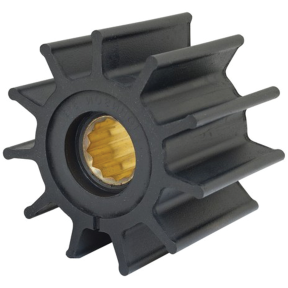
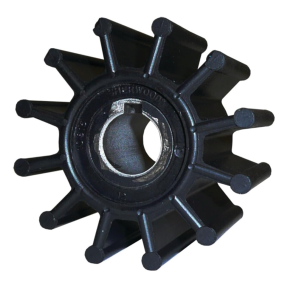
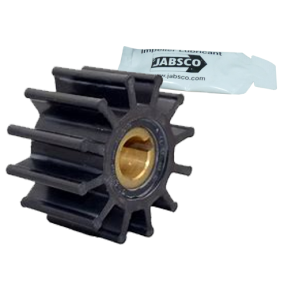
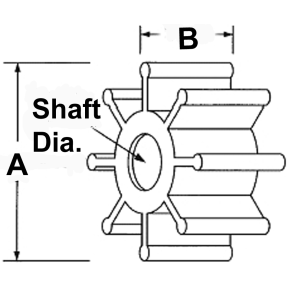
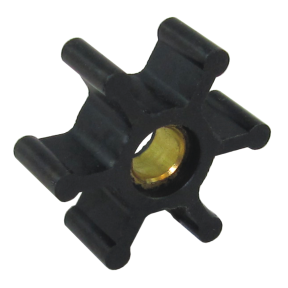
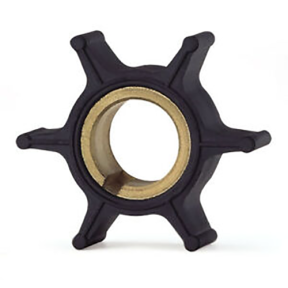
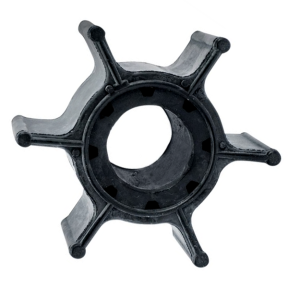
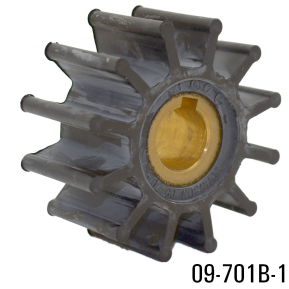
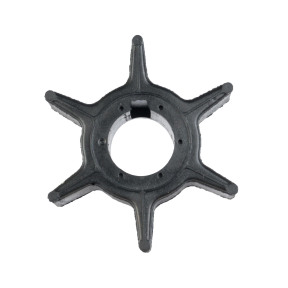
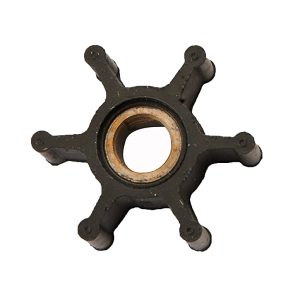
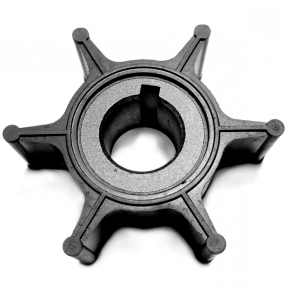
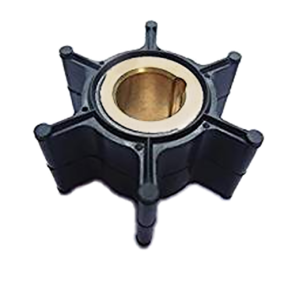
A boat engine impeller is a flexible rotor—typically rubber or synthetic—that sits inside the water pump housing. As it spins, it creates suction that pulls cooling water into the engine block or heat exchanger. This process stabilizes operating temperature and protects internal components from heat-related wear.
Because the impeller operates continuously while the engine runs, even minor deterioration can significantly reduce cooling efficiency. Routine inspection is therefore essential for safe operation.
Why Regular Marine Impeller Maintenance Matters
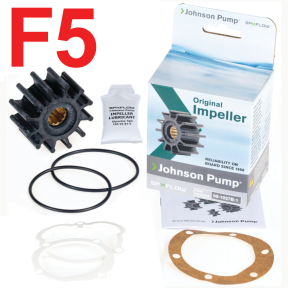
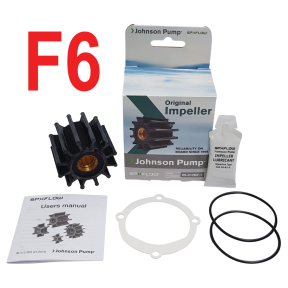
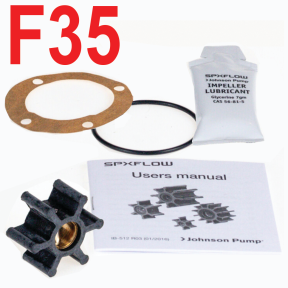
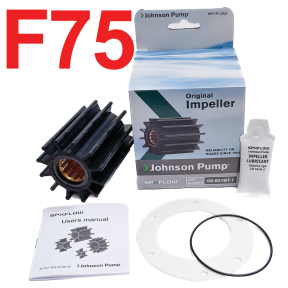
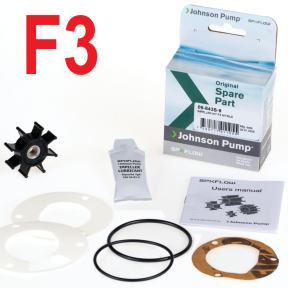
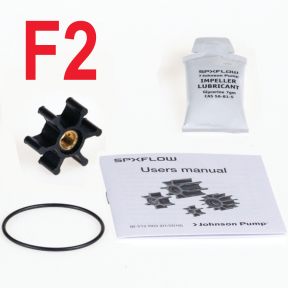
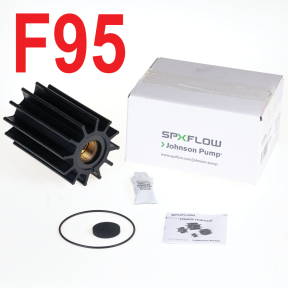
Marine impellers from manufacturers such as Johnson Pump and Jabsco are engineered for durability, but all flexible impellers degrade over time. Exposure to heat, friction, dry starts, and long storage periods can cause blades to harden, crack, or lose elasticity.
A compromised impeller may restrict water flow, accelerate pump wear, and increase the likelihood of engine overheating. For both professional installers and hands-on boat owners, proactive replacement is a cornerstone of preventative marine engine maintenance.
How to Choose the Right Boat Engine Impeller
When selecting a replacement impeller, evaluate these core factors:
- Model compatibility: Match the impeller to the exact engine and pump model
- Material selection: Choose based on temperature, oil exposure, and water type
- Drive configuration: Verify key, spline, pin, or flat drive requirements
Common materials include neoprene for both saltwater and freshwater use, nitrile for oil resistance, and Viton for higher-temperature environments. Proper material choice improves service life and performance consistency.
Explore compatible marine engine parts to ensure system-level reliability before your next trip.
Frequently Asked Questions
How often should a boat engine impeller be replaced?
Most manufacturers recommend replacing the impeller annually or every 100 operating hours, whichever occurs first, to reduce the risk of overheating and pump damage.
What are signs that my impeller needs replacement?
Common warning signs include rising engine temperature, reduced water discharge from the cooling outlet, abnormal pump noises, or visible cracking and deformation of the impeller blades.
Can boat owners replace an impeller themselves?
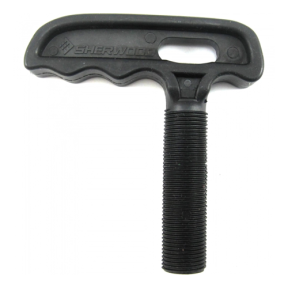
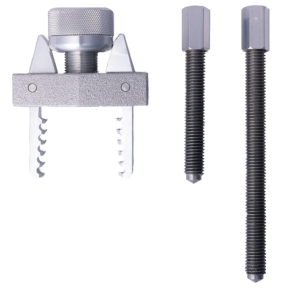
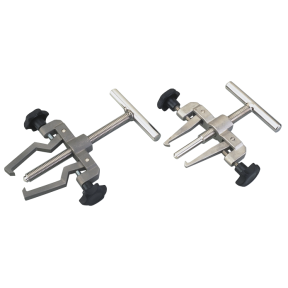
Many boat owners can perform impeller replacement with basic tools and mechanical knowledge, though consulting the engine manual or a qualified marine technician is recommended for proper installation.