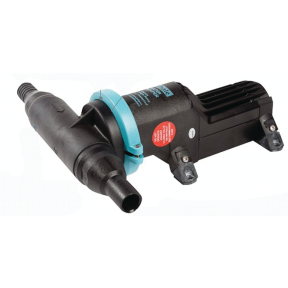
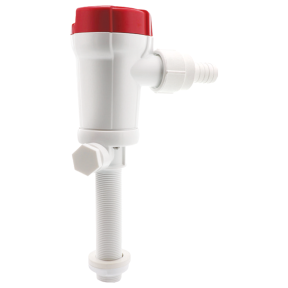
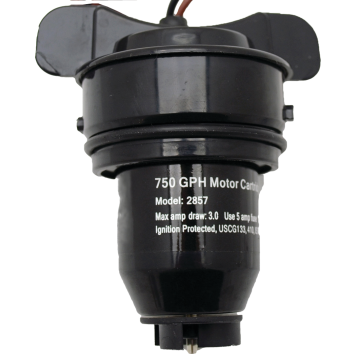
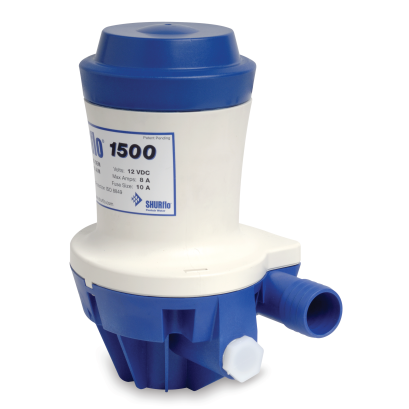
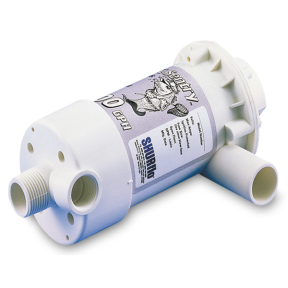
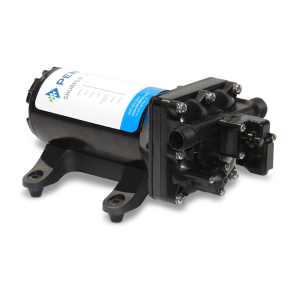
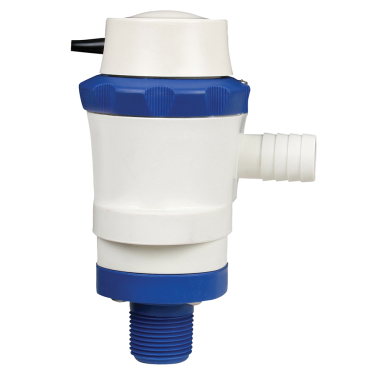
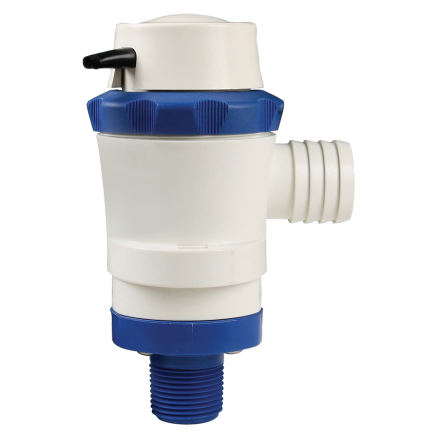
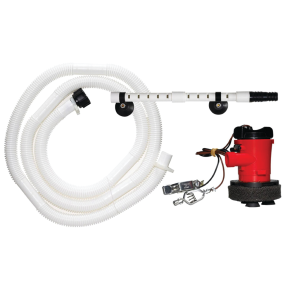
Boat Livewell Bait & Aerator Pumps at Fisheries Supply
This category explains how livewell bait and aerator pumps support healthy bait and catch, and how to choose and maintain the right system for your boat.
At a Glance
- Livewell pumps circulate and oxygenate water for bait and fish.
- Most systems use centrifugal, continuous-duty marine pumps.
- Size pumps for a full livewell turnover about every 10 minutes.
- Correct below-waterline mounting prevents loss of prime and airlock.
- Simple cleaning and inspection keep baitwells reliable.
The Role of Livewell Pumps
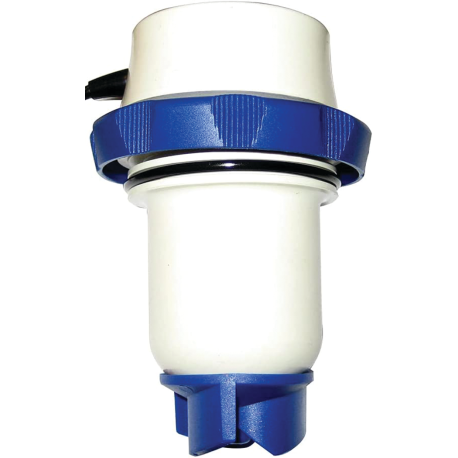
Livewell pumps (also called boat livewell aerators) are essential for keeping water in a livewell or baitwell fresh, clean, and oxygen-rich. By continuously moving new water through the tank, they reduce stress on live bait and improve survival for catch you plan to release or keep lively during the trip.
How Livewell Pumps Work
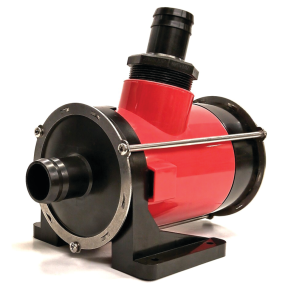
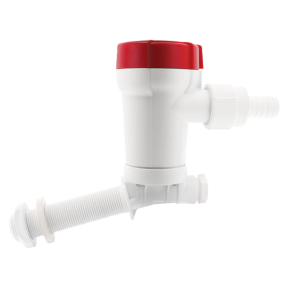
Most marine livewell systems rely on a centrifugal pump design. Centrifugal pumps move water in a smooth, non-turbulent flow—better for delicate baitfish—and are typically quiet enough for all-day use.
Because most centrifugal livewell pumps are not self-priming, they must be installed below the waterline so they stay flooded and can prime reliably when the boat is at rest.
Choosing the Right Livewell Pump
To match pump performance with your boat’s livewell size and plumbing, focus on these core selection factors:
- Capacity (GPH): Choose a pump that can turn over the full livewell volume about every 10 minutes. A common sizing rule is: Livewell gallons × 6 = ideal GPH. Example: a 100-gallon livewell needs roughly a 600 GPH pump.
- Mounting location: Install non-self-priming pumps below the waterline and as close to the intake as practical to reduce air intrusion and head loss.
- Intake strainer: Use a through-hull intake strainer to keep weeds, sand, and shell fragments out of the impeller.
- Seacock: Add a seacock at the thru-hull for safe shutoff if a hose or fitting leaks.
- Downstream valve: A ball valve after the pump lets you dial back flow if bait seems stressed by turbulence.
Optional system upgrades to consider:
- Dual pumping system: A dedicated fill pump plus a recirculation/aeration pump offers tighter control of water quality, especially in warm or low-oxygen conditions.
- Automatic + manual modes: Timed cycling can maintain oxygen without over-cooling or over-flushing the tank.
- Proper plumbing size: Hose and fittings should match pump output to avoid restricting flow and shortening pump life.
Maintaining Your Livewell Pump
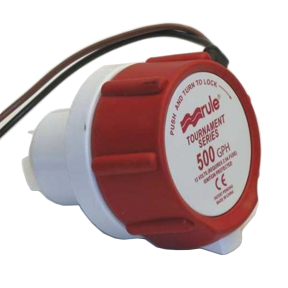
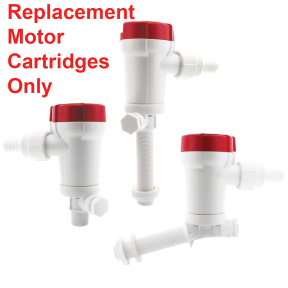
Consistent upkeep helps livewell pumps last longer and keeps bait healthy. After trips, flush the system with clean water, wipe down the tank, and clear any debris from strainers and cartridges. If you notice reduced flow, inspect for algae or waste buildup in hoses and fittings and clean before the problem spreads.
Why Shop at Fisheries Supply for Your Boat Livewell Pump
Fisheries Supply stocks marine-grade livewell and baitwell pumps from brands trusted by DIY boaters and professional installers, including Rule, Attwood, and Shurflo. These manufacturers are known for continuous-duty, corrosion-resistant designs built for salt and freshwater use.
If you’re upgrading or troubleshooting a system, our team can help confirm flow needs, mounting style, and plumbing compatibility for your specific livewell layout.
Frequently Asked Questions
Can I use a bilge pump as a livewell pump?
It’s not recommended. Bilge pumps are built for intermittent dewatering, not continuous circulation, so they often lack the steady flow and aeration live bait requires. Use a pump rated for livewell or baitwell duty instead.
What does a livewell pump do?
A livewell pump draws water from outside the boat, delivers it into the livewell, and moves old water out. This constant exchange keeps the tank oxygenated and reduces waste buildup, supporting healthier bait and fish.
How do I size a livewell pump for my boat?
Pick a pump that turns the full livewell volume about every 10 minutes. Multiply livewell gallons by six to estimate ideal GPH, then fine-tune with a downstream valve if you need gentler flow.
Why must many livewell pumps be mounted below the waterline?
Most centrifugal livewell pumps aren’t self-priming, so they need to stay flooded to work. Mounting below the waterline prevents air from entering the housing and helps the pump maintain prime.
What basic maintenance keeps a livewell system reliable?
Clean the baitwell regularly, flush lines after use, and check strainers and cartridges for clogs. Good flow and a clean tank help maintain water clarity and fish health.