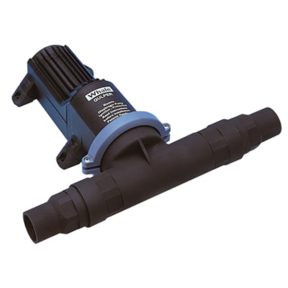
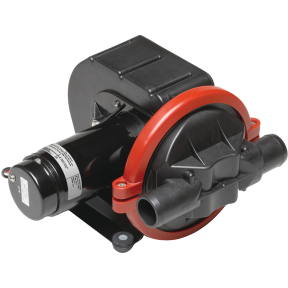
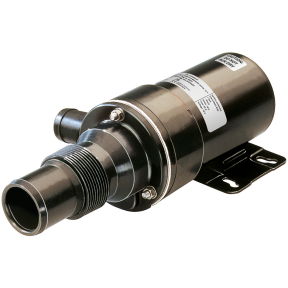
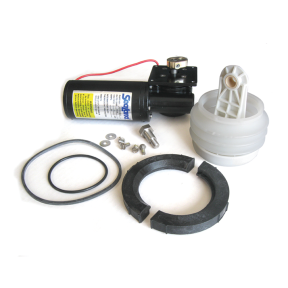
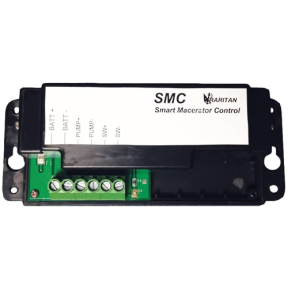
Marine Macerator Pumps: Essential for Efficient Waste Evacuation
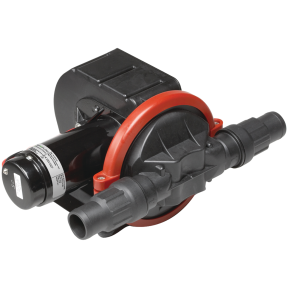
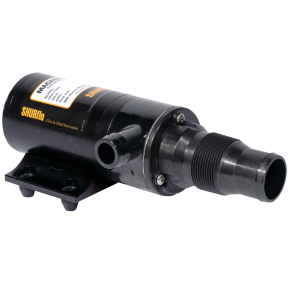
Maintaining a dependable plumbing system on a boat is critical for onboard hygiene and environmental compliance. A central component of a discharge system is the macerator pump, which is installed downstream of the black water holding tank to grind solid waste and toilet tissue into a fine slurry for smooth discharge.
When properly selected, wired, and plumbed, marine macerator pumps ensure reliable holding tank evacuation in permitted waters while protecting downstream plumbing lines and discharge seacocks from blockages.
Key Takeaways
- Installed downstream of the holding tank strictly for waste evacuation
- Requires compliance with ABYC E-11 electrical standards due to high initial current draw
- Must discharge through an accessible marine seacock complying with ABYC H-27 standards
- Must be legally secured (e.g., locked Y-valve) when operating inside No Discharge Zones (NDZs)
What Is a Macerator Pump?
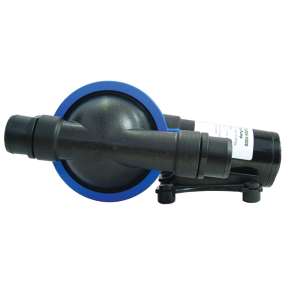
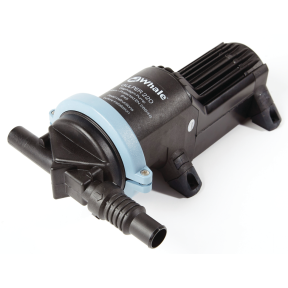
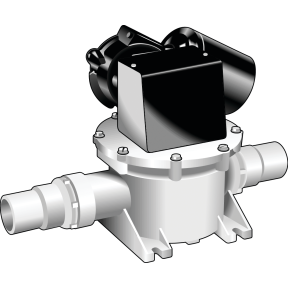
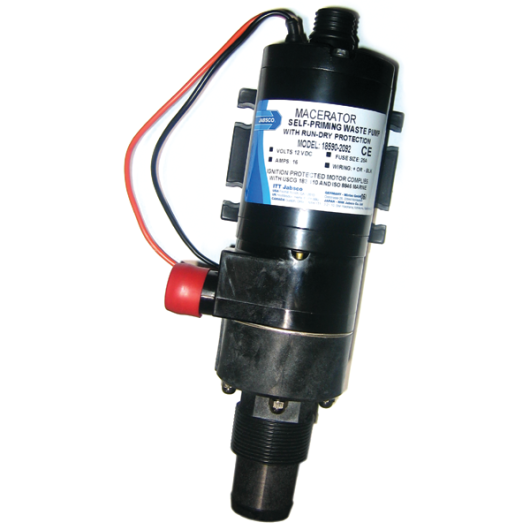
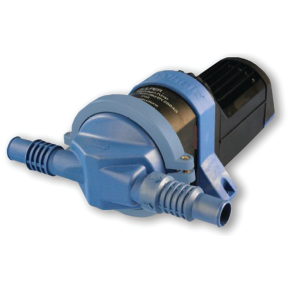
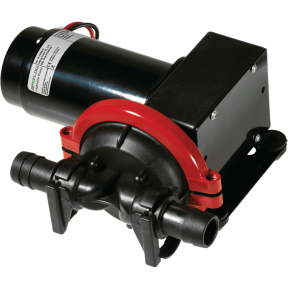
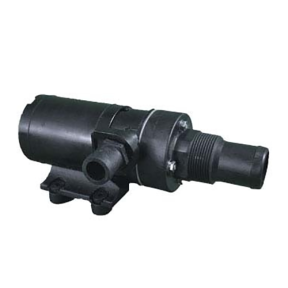
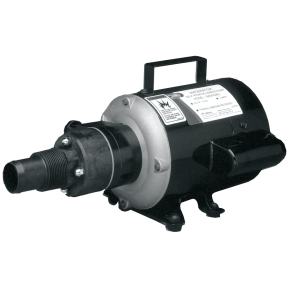
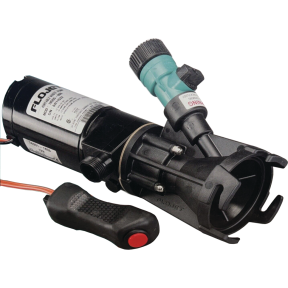
A marine macerator pump is a specialized, high-flow waste evacuation pump. Its primary function is to grind organic waste and rapidly pump it out of a black water holding tank into unrestricted ocean waters (outside the legal 3-mile limit in the United States).
Note that a standalone macerator pump is distinct from a macerating toilet. While a macerating toilet grinds waste directly at the bowl before sending it into the holding tank, a standard macerator pump is used exclusively to empty the holding tank outbound.
Benefits of Marine Macerator Pumps
- Rapid Tank Evacuation: Typically delivers a flow rate of approximately 12 GPM (Gallons Per Minute) for quick discharge.
- Reduced Clogging: Dual-blade or cutter-head designs break down solids to prevent clogging at the discharge thru-hull.
- Compact Plumbing: Allows the use of smaller 1-inch discharge hoses and seacocks compared to standard 1.5-inch gravity lines.
- System Versatility: Works in conjunction with standard marine Y-valves to allow a choice between shore-side pump-out or overboard discharge.
How to Choose the Right Macerator Pump
Selecting the correct marine macerator pump requires matching the unit to your boat's DC electrical infrastructure and system layout. Key considerations include:
- Voltage and Amperage: Available in 12V DC or 24V DC configurations. Ensure your electrical panel and wiring can support a sustained 15 to 20 Amp load.
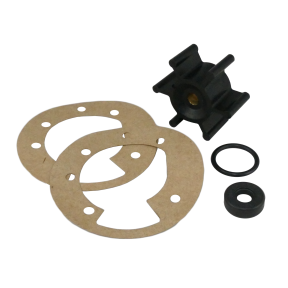
- Run-Dry Protection: Look for models equipped with thermal or electronic run-dry protection device features to prevent the nitrile impeller from burning up once the tank is empty.
- Port Configurations: Ensure the inlet matches your tank discharge plumbing (standardly 1.5-inch NPT or hose barb) and the outlet matches your discharge line (standardly 1-inch hose barb).
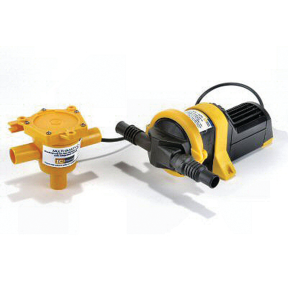
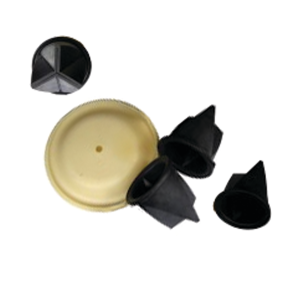
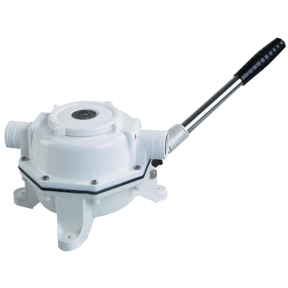
Note: If a manual backup is required for your waste system, choose a high-capacity manual diaphragm pump (such as a Whale Gusher) rather than an impeller-driven pump, as manual pumps can pass whole solids without a motorized cutter head.
Finding the Best Marine Waste Pump for Your Needs
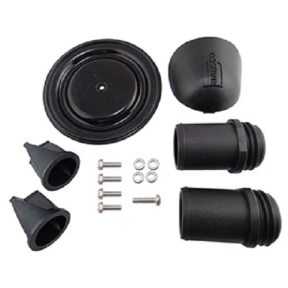
A high-quality, heavy-duty macerator pump is a critical asset for offshore cruisers who manage their own waste systems. Investing in a pump with robust stainless steel cutters, a seamless motor housing, and a manual unjamming slot ensures long-term operational readiness and helps avoid severe plumbing failures.
Explore our selection of commercial-grade marine waste pumps to find the correct configuration for your boat's sanitation network.
Frequently Asked Questions
Can I install a macerator pump myself?
Yes, many DIY boaters perform this installation. However, strict adherence to marine standards is required. Mechanically, the pump must exit through an approved, accessible marine seacock below the waterline (per ABYC H-27). Electrically, you must reference ABYC E-11 charts to size the positive and negative conductors properly for voltage drop, protecting the circuit with an appropriately rated marine circuit breaker or fuse near the power source.
How do I maintain a marine macerator pump?
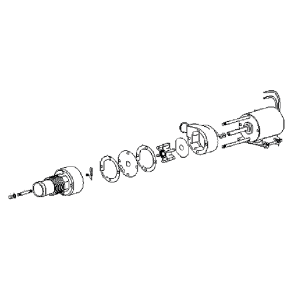
Routine maintenance includes flushing the pump thoroughly with clean water after each use to clear out highly corrosive black water and minimize uric scale accumulation. Never run the pump dry for more than a few seconds. If the pump seizes over the winter or binds on foreign material, look for a rubber cap on the rear of the motor housing; removing it reveals a slotted motor shaft that allows you to manually break a jam free using a flathead screwdriver without dismantling the plumbing.
Are macerator pumps legal for marine waste disposal?
It is legal to have a macerator pump installed on your boat, but its use is strictly regulated. Under federal law, you cannot discharge raw sewage within 3 miles of the US coastline or anywhere inside a designated No Discharge Zone (NDZ), such as lakes, rivers, and specific coastal bays. When operating in restricted waters, the US Coast Guard requires the waste system to be physically secured against accidental discharge. This means your Y-valve must be padlocked or zip-tied in the position leading to the holding tank, or the macerator pump's circuit breaker must be locked off.
Crucial Safety Warning: Never turn your onboard macerator pump on when utilizing a marina's shore-side pump-out station. Shore stations use heavy-duty external vacuum pumps hooked to your deck waste fitting; running your internal pump simultaneously can cause severe system backpressure, cavitation, or catastrophic plumbing failure.