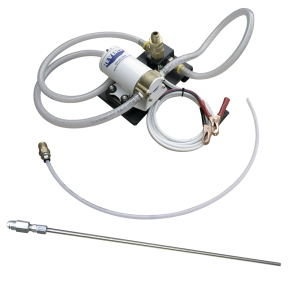
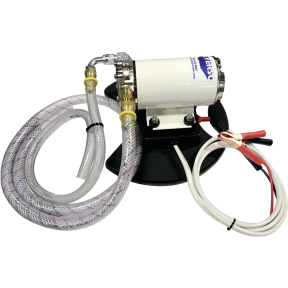
Boat Oil Change Pumps & Extractors — Efficient, Clean, and Reliable
This category is for boat owners and marine technicians choosing or using oil change pumps and extractors for inboard, outboard, and generator engines.
Highlights
- Pick capacity and pump type (piston, diaphragm, rotary vane) to match engine oil volume and viscosity.
- Choose manual for portability and small engines; electric/reversible for speed and multi-engine setups.
- Confirm hose size/fittings, power source, and accessory kit (tubes, wands, container) before purchase.
- Warm oil, extract through dipstick or service port, and manage used oil per U.S. EPA standards.
- Trusted marine brands include Jabsco (by Xylem) and Reverso.
Why an Oil Change Pump Matters
Regular oil changes protect bearings, reduce wear, and extend service life in gasoline and diesel marine engines. Many owners follow a seasonal/100-hour interval (check your OEM manual). For outboards and inboards, a quality extractor keeps the job clean and repeatable.
Key Features & Benefits
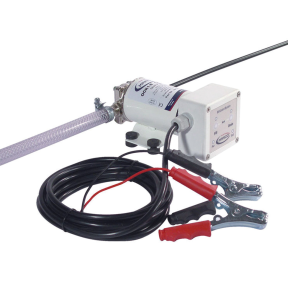
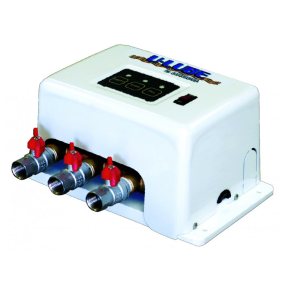
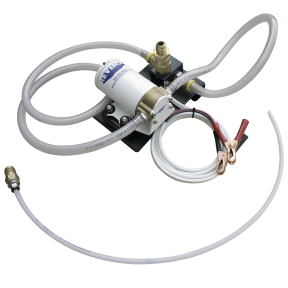
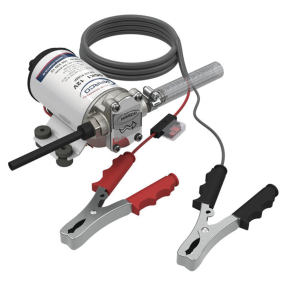
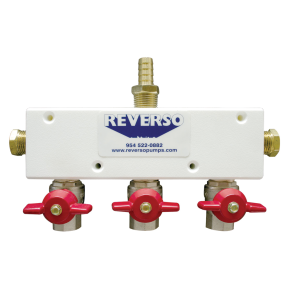
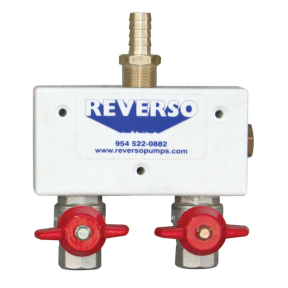
- Manual & Electric Options: Manual pumps are compact and ideal for small outboards and tight spaces. Electric pumps (12 V DC or AC) accelerate large-volume extractions and often support multi-engine manifolds.
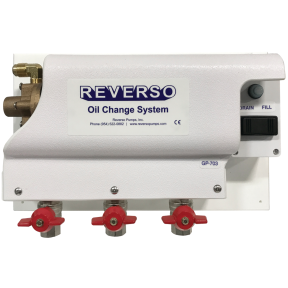
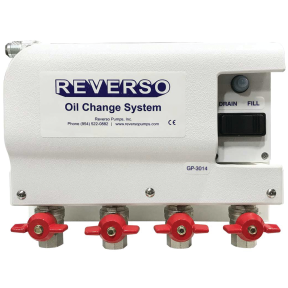
- Reversible/Fill Function: Many systems reverse flow to refill with fresh oil, minimizing spills and handling.
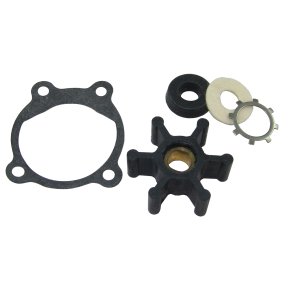
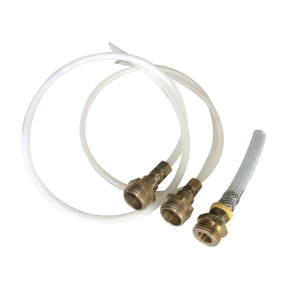
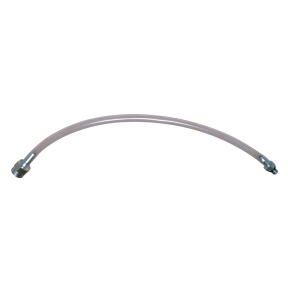
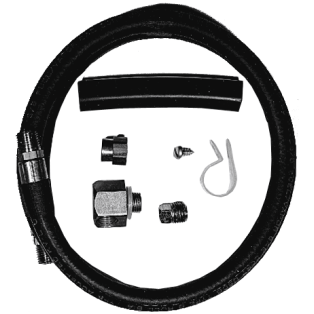
- Accessory Ecosystem: Look for complete kits—pickup tubes, dipstick wands, and collection containers—that match your engine’s service port.
- Brand Reliability: Jabsco (by Xylem) and Reverso are long-standing marine pump specialists.
How to Choose the Right Oil Extractor Pump
- Engine Capacity & Duty Cycle: Match pump flow rate to your crankcase volume and number of engines. Multi-engine boats benefit from fixed, manifolded systems with reversible pumps.
- Ease of Use & Power Source: Decide between hand-operated (simple, portable) and powered (12 V DC, drill-driven, or AC). Verify amperage draw and fuse protection for permanent installations.
- Pump Mechanism
- Piston: Robust manual extraction; good for small volumes.
- Diaphragm: Handles dirty fluids; tolerant of particulates.
- Rotary vane/gear: High flow; common in electric, reversible systems.
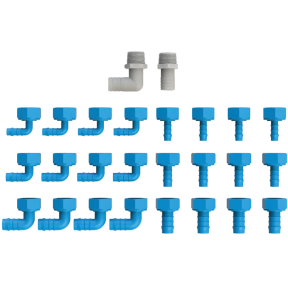
- Compatibility & Fittings: Confirm hose OD/ID, dipstick tube diameter, and thread adapters for factory quick-change ports. When in doubt, check your engine’s service manual and the pump kit contents.
Streamline Your Oil Change
- Warm the engine so oil flows easily (follow OEM safety guidance).
- Insert the extraction tube via dipstick or service port; secure hose to container.
- Operate the pump until flow stops; dispose of the used filter properly.
- Replace the oil filter and refill with marine-rated oil.
- Verify the oil level and run the engine briefly. Add more oil as the filter is now full.
Dispose the used oil and filters under local rules; many marinas and municipalities accept used oil for recycling.
Complete the job with quality marine engine oil that meets relevant marine oil certification standards.
Trusted Marine Brands
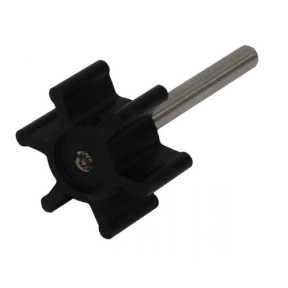
Jabsco oil change pumps by Xylem are widely used for portable and fixed installations. Reverso oil extractor systems feature reversible, high-flow designs for fast service on gas and diesel engines.
Frequently Asked Questions
Can one pump both remove and add oil?
Yes. Many electric systems are reversible, letting you extract used oil and pump in fresh oil with one unit.
How often should I change marine engine oil?
General guidance is once per season or ~100 hours (verify with your engine OEM). Outboard and inboard procedures differ slightly, but the interval is similar.
Are oil extractors compatible with all engines?
Most pumps work with inboards, outboards, and gensets. You may need specific adapters for certain oil pans or quick-change ports.
What’s the basic extraction procedure?
Warm the engine, insert the tube through the dipstick or service port, operate the pump until flow stops, then refill and check level. Dispose of used oil per EPA rules.