Boat Sump Pumps and Boxes at Fisheries Supply
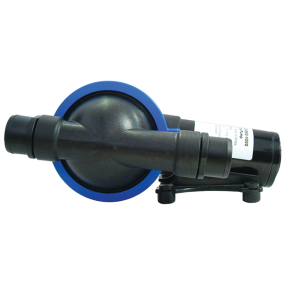
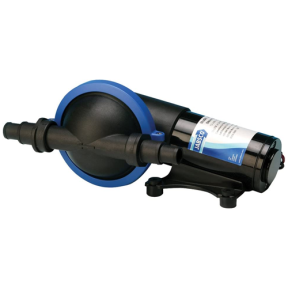
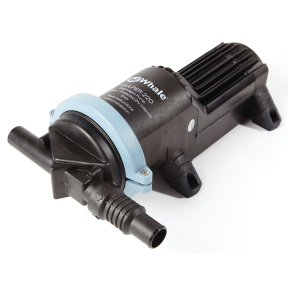
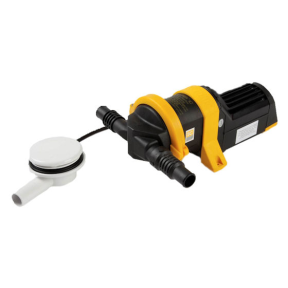
Fisheries Supply offers a broad selection of marine plumbing solutions, including boat sump pumps, marine shower sump pumps, and sump boxes. These systems help manage wastewater and incidental water, keeping interior spaces dry and reducing the risk of corrosion, odors, and mold.
What to Know
- Prevent gray water buildup in accommodations to eliminate odors and organic growth.
- Select systems based on flow rate, DC voltage (12V vs. 24V), chemical resistance, and ease of switch maintenance.
- Use integrated sump boxes to trap hair and debris before it can compromise pump operation.
- Implement strict routine maintenance to clear biofilm, slime, and soap scum accumulation.
What Are Boat Sump Pumps?
Boat sump pumps are specialized plumbing components engineered to evacuate gray water from low points on a boat—such as shower pans, cabin sinks, or air conditioner condensate drains—where gravity drainage overboard is impossible. By isolating and pumping out this water, they protect structural stringers, electrical wiring, and interior joinery from moisture damage.
Common electrical and control configurations include:
- Non-Automatic Electric Pumps – Activated remotely by a dedicated manual toggle switch on a DC breaker panel or a timer circuit.
- Automatic Electric Pumps – Controlled automatically by an integrated float switch, mechanical sensor, or solid-state electronic switch that activates when internal water reaches a predetermined level.
- DC Power Systems – Purpose-built to operate reliably on onboard DC systems, typically matching either 12V or 24V electrical architectures.
Marine Shower Sump Pumps
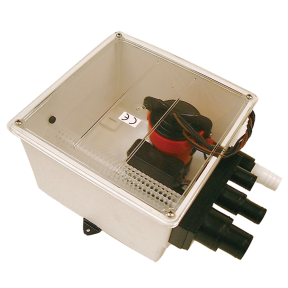
Marine shower sump pumps are uniquely engineered to handle gray water filled with soap residue, hair, and high, intermittent flow rates. Unlike standard raw-water pumps, these configurations include an internal, easily accessible mesh strainer designed to trap solid debris before it reaches the pump impeller or fouls the check valve.
A well-functioning system ensures rapid drainage, prevents stagnant gray water from backing up into the shower pan, and seals off the living quarters from migrating tank or bilge odors.
Choosing the Right Boat Sump Pump
Selecting the correct system requires balancing boat plumbing demands with long-term material durability. Key considerations include:
- Flow Rate (GPH): Ensure the pump's Gallons Per Hour capacity exceeds the combined peak flow rate of the shower heads and fixtures draining into it.
- Thermal and Chemical Resistance: Opt for high-impact, corrosion-resistant composite plastics (such as ABS or acrylic lids) capable of handling hot water and typical marine cabin cleaners without cracking.
- Electrical Compliance: Confirm the motor features ignition protection meeting USCG/ABYC standards for installation in potentially volatile environments, and always size the inline fuse or breaker according to manufacturer specifications.
- Brand Reliability: Standardize on trusted marine manufacturers known for offering field-replaceable internal components.
Maintenance Tips for Boat Sump Pumps
Because gray-water environments rapidly accumulate slick bio-films, proactive maintenance is mandatory to ensure operational reliability and prevent unexpected flooding.
- Clear the Mesh Strainer: Frequently remove accumulated hair, lint, and debris from the internal basket to maintain maximum GPH flow rates.
- Scrub the Box and Float Switch: Periodically wash down the interior walls of the box to eliminate soap scum and slime buildup that can cause physical float switches to stick or electronic sensors to misread.
- Inspect Electrical Terminations: Verify that marine-grade heat-shrink butt connectors remain dry, completely corrosion-free, and secured well above the normal fluid levels of the sump.
- Test the Check Valve: Confirm the inline check valve seals completely when the pump deactivates, preventing discharged hose water from siphoning back down into the box.
Additional Tips for Marine Shower Sump Pumps
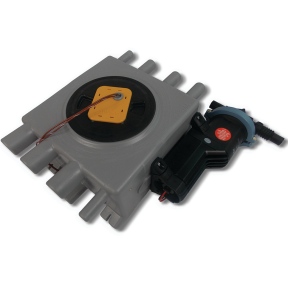
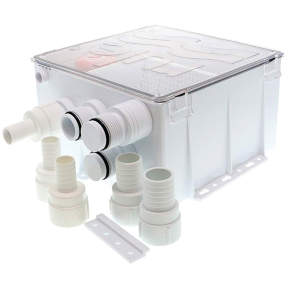
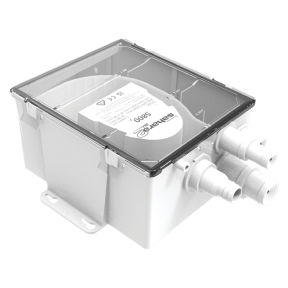
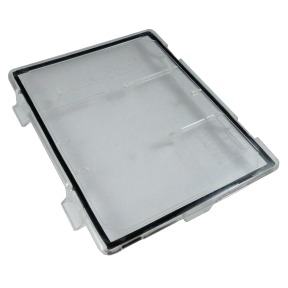
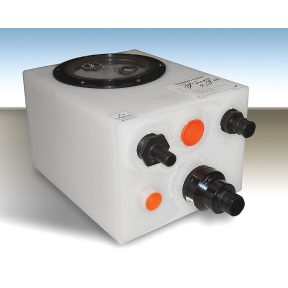
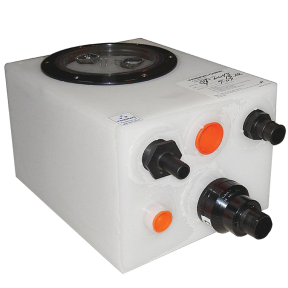
Utilizing a multi-port shower sump pump box dramatically streamlines boat plumbing. These self-contained enclosures group the intake ports, internal mesh strainer, automatic switch, and submersible pump into one compact, sealed footprint. This design prevents gray water from spilling into the open bilge, confining odors and debris to an easily serviceable container.
To guarantee safety, all installations discharging near or below the boat's heeled waterline must utilize a properly routed discharge hose featuring a vented loop to eliminate any risk of dangerous back-siphoning.
Browse our selection of marine shower components to complete your installation.
Frequently Asked Questions
How do I install a shower sump pump on my boat?
Installation requires mounting the box in a level, accessible location below the level of the drains, connecting the incoming gray-water lines to the side ports, and routing a dedicated discharge hose to an overboard fitting equipped with a siphon break if necessary. Electrically, the pump must be wired through a properly sized overcurrent protection fuse or breaker using marine-grade tinned wire to prevent voltage drops and comply with ABYC electrical guidelines.
Can I replace only the pump or float switch instead of the entire sump box?
Yes. Leading marine manufacturers design their systems with modular, clip-in cartridge pumps and independent float switches. This allows individual components to be quickly unclipped and replaced during routine servicing without disturbing the primary hose plumbing or replacing the entire plastic housing structure.
Are shower sump pumps different from bilge pumps?
Yes, dynamically and operationally. While both may leverage similar submersible centrifugal motor cartridges, a shower sump operates as a sealed, low-volume collection and filtration unit dedicated to gray water. In contrast, a primary bilge pump is an open-intake, high-capacity safety device designed to sit directly in the bottom of the hull to evacuate large volumes of raw water during emergency breaches or major leaks.