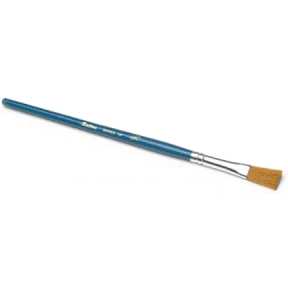
Redtree Industries Marine Paint Brushes, Rollers & Paint Supplies
Redtree Industries manufactures specialized marine paint tools designed for boaters, commercial boatyards, and refit professionals who require pristine coverage, controlled application, and reliable material stability under aggressive chemical exposure. Whether you are laying down high-solids antifouling bottom paint, tipping out a high-gloss two-part polyurethane topside enamel, applying marine varnish, or preparing fiberglass, wood, or metal substrates, Redtree brushes, rollers, and surface preparation tools deliver an ultra-smooth finish with minimized micro-bubbles, reduced lint shedding, and exceptional chemical resistance.
Browse the Redtree marine line to select the application tools engineered specifically for your coating viscosity, dry-time dynamics, and substrate specifications.
Key Takeaways
- Engineered for Aggressive Marine Coatings: Redtree tools are constructed to withstand harsh solvents, including those found in epoxy resins, barrier coats, varnishes, and multi-part urethanes.
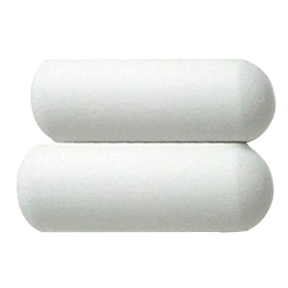
- Coating-Specific Roller Material Selection: Fine-cell foam and solvent-resistant phenolic core rollers ensure smooth finish coats without melting, while heavy nap covers maximize coverage over irregular hull shapes.
- Professional-Grade Structural Durability: Built with solvent-proof epoxy settings, corrosion-resistant ferrules, and ergonomically balanced handles, these tools endure the rigorous conditions of commercial boatyards.
- Substrate Preparation is Paramount: High-performance marine coatings demand clean, profile-sanded substrates. Pair Redtree application tools with precise prep work to guarantee maximum adhesion and prevent coating failure.
How to Choose Redtree Marine Paint Supplies
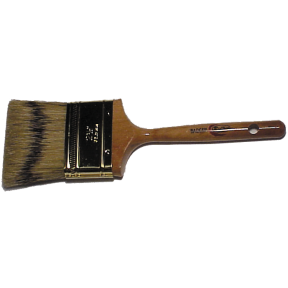
- Match the Tool to the Coating Chemistry: Aggressive formulations like two-part polyurethanes, vinyl antifoulings, and solvent-heavy epoxies will dissolve standard paint tools. Use specialized solvent-resistant foam or phenolic-core rollers to maintain structural integrity. Choose natural china bristle or premium badger hair brushes for oil-based varnishes and enamels to ensure excellent flow and zero filament tracking. Opt for high-performance synthetic filaments when applying water-borne coatings or heavy primers.
- Assess the Profile and Substrate Condition: Fiberglass gelcoat, marine-grade plywood, and aluminum or steel hulls require vastly different prep and application tactics. Before applying any coating, ensure the substrate is thoroughly de-waxed, sanded to the coating manufacturer’s specified profile, and vacuumed clean. For high-visibility, smooth topside brightwork, select premium lint-free rollers and fine-finishing brushes. For high-build bottom paint or textured non-skid decks, select durable covers that resist tearing on abrasive surfaces.
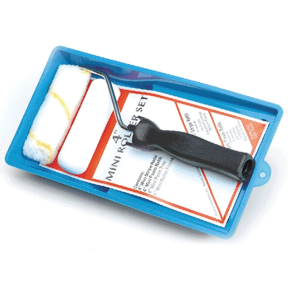
- Scale for Project Scope and Wet-Edge Limitations: Large-scale refits dictate an inventory of varying roller frame sizes, heavy-duty paint trays, solvent-proof liners, and multiple brush widths. Because marine coatings often feature rapid solvent evaporation and tight wet-edge windows, keeping spare applicators instantly accessible prevents costly delays when a roller cover becomes saturated or a coating begins to kick in the pot.
- Prioritize Marine-Grade Construction: Domestic and commercial marine environments expose application tools to extreme humidity, ambient heat, and punishing chemical solvents. Redtree’s professional brushes feature epoxy-locked bristles and stainless steel or brass ferrules to prevent shedding and rust contamination. Adhering to proper post-application solvent cleaning preserves tool geometry and performance for multi-phase projects.
Shop Redtree Paint Brushes, Rollers & Prep Tools
Evaluate Redtree marine paint tools based on coating formulation, surface square footage, and desired finish tolerance. Choose from high-density foam or woven roller covers for broad application efficiency, hand-crafted bristle brushes for precision cutting and tipping, and surface prep tools to establish optimal mechanical profiling. Equip your project with authentic Redtree tools to ensure professional results on your next boat maintenance or manufacturing project.
Frequently Asked Questions
What types of paint brushes does Redtree Industries offer?
Redtree offers premium natural bristle (including White and Black China bristle and Badger hair), high-performance synthetic filaments, and solvent-resistant disposable chip brushes. These tools are engineered specifically to apply marine varnishes, high-gloss enamels, anti-corrosive primers, and laminating epoxies.
Are standard foam rollers suitable for all types of boat paint?
No. Standard retail foam rollers will break down, swell, or dissolve when exposed to the hot solvents found in high-performance marine coatings like two-part polyurethanes, vinylesters, and certain barrier coats. Always use Redtree's specialized solvent-resistant foam or phenolic-core roller covers designed specifically for marine chemicals.
What is the "roll-and-tip" method, and which tools are required?
The roll-and-tip method is an industry-standard boatyard technique used to achieve a spray-like finish by hand. One person uses a roller to apply a thin, uniform coating of paint, and a second person immediately follows with a dry, fine-tipped natural or synthetic brush to lightly skim ("tip") the wet paint film, flattening orange peel and popping micro-bubbles before the paint sets.
Can Redtree marine brushes and rollers be cleaned and reused?
Premium Redtree brushes and heavy-duty roller covers can be cleaned and reused multiple times if washed promptly in the coating manufacturer's recommended solvent (such as xylene, acetone, or mineral spirits) before the coating cures. Redtree also manufactures dedicated disposable lines for single-use applications where cleaning is impractical.
What substrates can Redtree marine painting tools be used on?
Redtree marine painting tools are engineered to perform flawlessly on all common marine substrates—including fiberglass/gelcoat, marine timber, aluminum, and steel—provided the surface has been properly degreased, chemically cleaned, and mechanically abraded to ensure proper coating adhesion.