
Marine Composite Boards and Fiberglass Panels for Boats
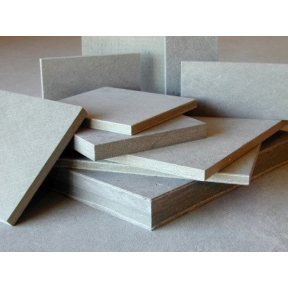
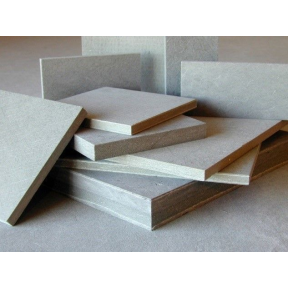
Marine composite boards and fiberglass panels are water-resistant materials for boat construction, restoration, and repair. Fisheries Supply offers structural and non-structural panels for professional boatbuilders and DIY boat owners working on decks, flooring, bulkheads, transoms, cabinetry, hatches, and storage components.
Marine Panel Buying Guide: Key Takeaways
Types of Marine Construction Boards
Marine-grade panels use different materials and core structures to meet specific weight, rigidity, fabrication, and water-resistance requirements.
| Panel Type | Key Characteristics | Common Boat Applications |
|---|---|---|
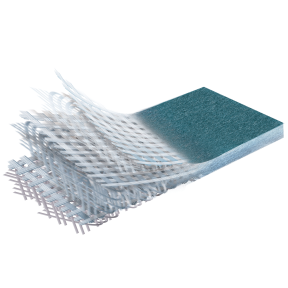
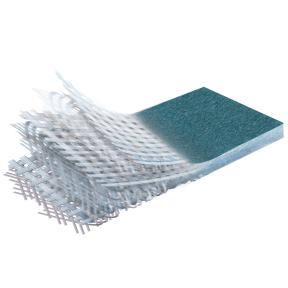
| Fiberglass composite board | Reinforced face sheets, rigid construction, water-resistant core, and a high strength-to-weight ratio | Bulkheads, decking, flooring, and transom reinforcement |
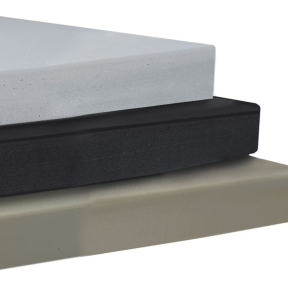
| Foam-core panel | Closed-cell core designed to limit water absorption while reducing panel weight | Partitions, overheads, interior structures, and selected structural projects |
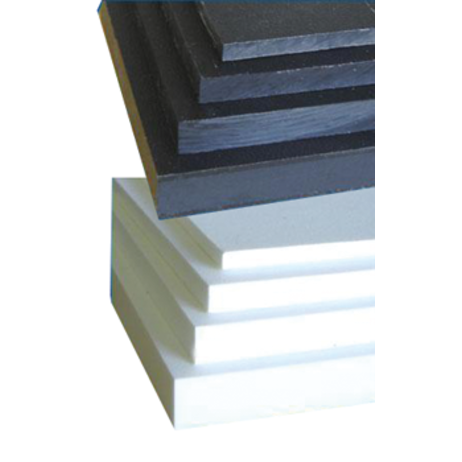
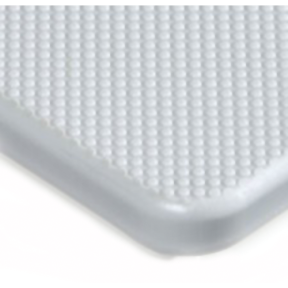
| Thermoplastic panel | Moisture-resistant material suited to fabrication and low-maintenance installations | Cabinetry, access panels, storage enclosures, and boat fittings |
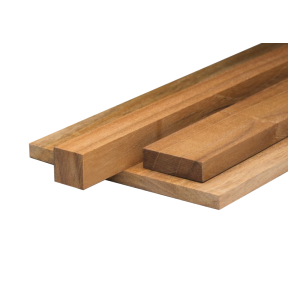
| Plastic marine lumber | Rot-resistant sheet material that does not rely on a wood core | Cabinetry, hatches, decks, trim, and custom components |
Marine Composite Panel Features and Benefits
| Feature Category | Panel Features | Practical Benefits |
|---|---|---|
| Water and Degradation Resistance |
|
|
| Strength and Weight |
|
|
| Fabrication and Maintenance |
|
|
Boat Construction and Restoration Applications
Marine composite sheets support structural repairs, interior refits, and custom fabrication. Common use cases include:
- Structural reinforcement: Bulkheads, decks, floors, and transoms.
- Interior construction: Cabinetry, partition walls, and overhead panels.
- Access components: Hatches, engine-bay covers, and removable panels.
- Storage fabrication: Dock boxes, lockers, and custom enclosures.
- Plywood replacement: Projects where rot resistance and lower water absorption are priorities.
Marine Composite Board Brands
Coosa Composites: Coosa composite panels are lightweight, water-resistant boards made for structural marine applications such as floors, bulkheads, and transom reinforcement. Confirm the required panel grade, thickness, lamination method, and load rating for the specific boat project.King StarBoard: King StarBoard marine lumber is a plastic sheet material used for cabinetry, hatches, trim, decks, and boat fittings. Material selection should account for structural demands, fastening methods, thermal movement, surface finish, and location.
How to Choose a Marine Composite Panel
- Identify whether the component is structural or non-structural.
- Assess water, chemical, ultraviolet, and temperature exposure.
- Confirm the required strength, rigidity, and finished weight.
- Check compatibility with adhesives, fiberglass laminates, coatings, and fasteners.
- Verify the required thickness and load specification.
- Review the manufacturer’s fabrication and installation instructions before cutting the panel.
Fisheries Supply has served the marine industry since 1928 and offers composite boards, fiberglass panels, plastic marine lumber, competitive pricing, bulk-order options, and material-selection support. For project-specific guidance, contact Fisheries Supply.
Frequently Asked Questions
What are marine composite boards made from?
Marine composite boards typically combine fiberglass-reinforced face sheets with a closed-cell foam or thermoplastic core. The construction creates a rigid, water-resistant panel with less susceptibility to rot and mildew than wood-core plywood. Exact materials, density, strength, and bonding requirements vary by manufacturer and panel grade.
Are marine composite panels stronger than plywood?
Marine composite panels can provide a higher strength-to-weight ratio and better resistance to moisture-related decay than plywood. Performance depends on panel construction, thickness, span, load, and installation method. A composite board should be selected according to the manufacturer’s structural data rather than treated as a direct replacement in every application.
Can fiberglass composite panels be used for boat flooring?
Fiberglass composite panels can be used for boat flooring when the chosen product meets the project’s load, span, thickness, bonding, and surface-finish requirements. Closed-cell core panels are valued for water resistance and lower weight. Review manufacturer specifications before replacing plywood or another structural floor material.
What marine board should I use for a boat transom?
A boat transom requires a structural composite board rated for the engine loads, laminate schedule, fasteners, and bonding system involved. Coosa composite panels are commonly considered for marine transom reinforcement. The correct grade and thickness depend on the vessel design and should follow manufacturer or naval-architecture specifications.
What is the difference between Coosa board and King StarBoard?
Coosa board is a fiberglass-reinforced composite commonly used for structural marine components, while King StarBoard is plastic marine lumber commonly used for cabinetry, hatches, trim, and fabricated fittings. They are not interchangeable in every project because their stiffness, fastening behavior, bonding methods, and structural capabilities differ.
How do I choose the correct marine panel thickness?
Choose marine panel thickness by reviewing the component’s span, supported load, fastening pattern, laminate schedule, and structural role. Do not select thickness from appearance alone. Consult the panel manufacturer’s technical data and the boat designer’s requirements.