


Marine Epoxy Resin, Boat Resin, and Fiberglass Coatings
Marine epoxy resin is a two-part bonding, laminating, sealing, and repair material for boatbuilders, marine technicians, and boat owners. Fisheries Supply carries boat epoxy resin, hardeners, fillers, adhesives, and fiberglass coating systems for wood, fiberglass, composite, and prepared metal surfaces.
Why Choose Marine-Grade Epoxy?
Marine-grade epoxy creates a low-shrinkage thermoset polymer with strong adhesion and useful mechanical properties. It supports structural boat repair, fiberglass laminating, wood encapsulation, moisture barriers, composite construction, and bonding between compatible substrates.
| Epoxy Benefit | Performance and Application |
|---|---|
| Structural strength | Tensile, flexural, and compressive properties support load-bearing bonds and repairs. |
| Material compatibility | Epoxy bonds to properly prepared wood, cured fiberglass, composites, and etched metals. |
| Low cure shrinkage | Reduced dimensional change limits structural stress and surface print-through. |
| Moisture resistance | Cured epoxy forms a barrier that helps protect wood and composite laminates. |
| Chemical resistance | Suitable formulations resist moisture, fuels, mild acids, abrasion, and shear stress. |
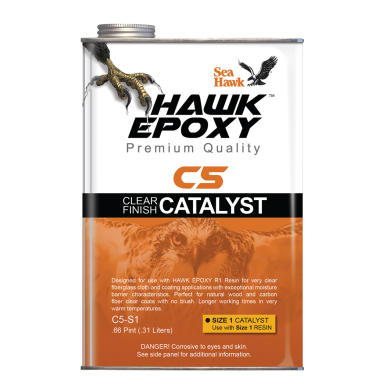
| Clear coating | Clear-curing products can preserve the visible grain of marine wood projects. |
How Two-Part Marine Epoxy Systems Work
A marine epoxy system combines resin with a compatible hardener at the manufacturer's stated ratio. Chemical cross-linking converts the liquid mixture into a rigid material. Pot life, open time, cure speed, batch size, and ambient temperature affect application, so the product technical data sheet should guide mixing and use.
Important Selection Factors
| Selection Factor | Why It Matters |
|---|---|
| Working time and cure schedule | Determines how long the mixed epoxy remains usable and when the application can be sanded, recoated, or loaded. |
| Temperature and humidity | Affects viscosity, pot life, cure speed, surface condition, and hardener selection. |
| Application type | Bonding, laminating, coating, filling, and fairing require different viscosities and additives. |
| Substrate and preparation | Wood, fiberglass, composites, and metal require compatible cleaning and surface-preparation methods. |
| Batch volume | Larger batches can generate more exothermic heat and shorten the available working time. |
| Epoxy formulation | Clear, penetrating, pre-thickened, and no-blush formulas serve different coating, sealing, bonding, and recoating needs. |
Marine Epoxy Product Types and Uses
| Product Type | Primary Application | Selection Consideration |
|---|---|---|
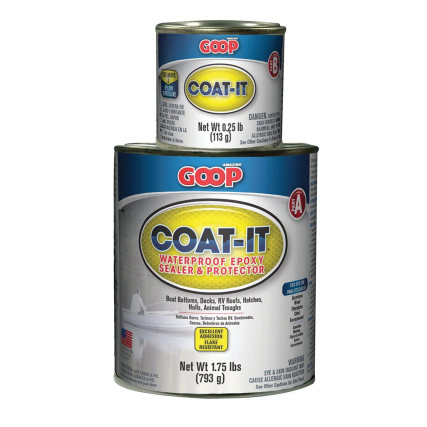
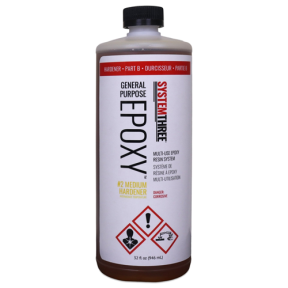
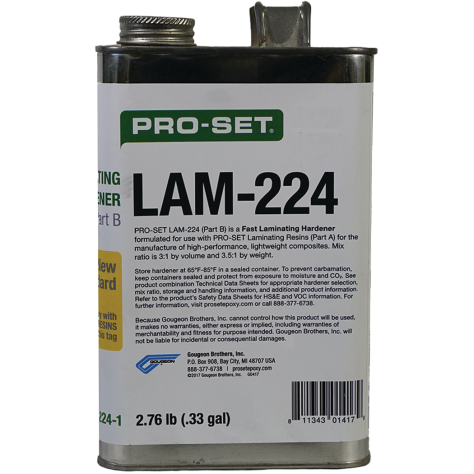
| Liquid epoxy resin and hardener | Fiberglass laminating, coating, wood encapsulation, and general bonding | Match the hardener speed and mixing ratio to the manufacturer's system. |
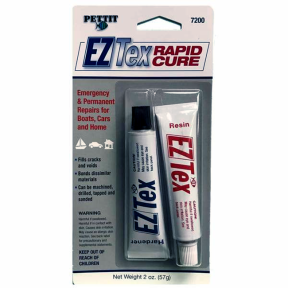
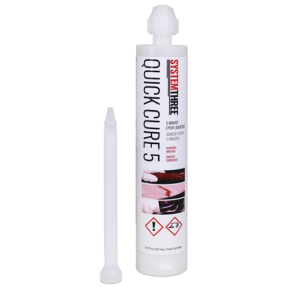
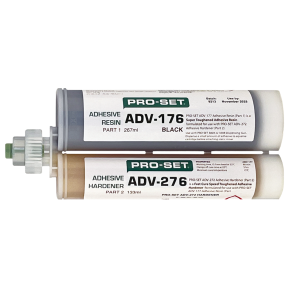
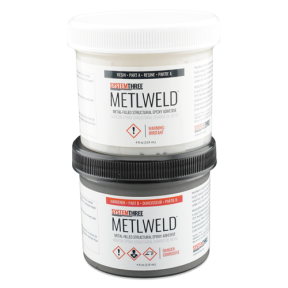
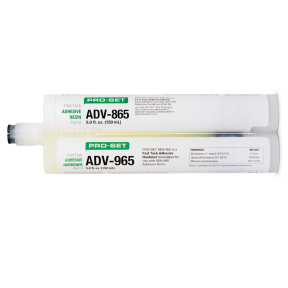
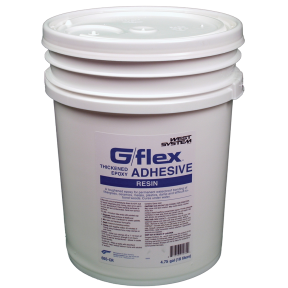
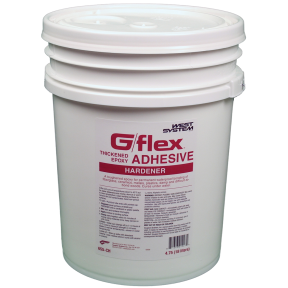
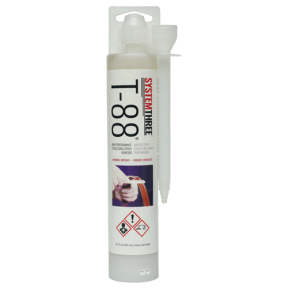
| Pre-thickened structural epoxy adhesive | Load-bearing joints, fillets, hardware bonding, and localized boat repairs | Select the viscosity and working time for the joint geometry. |
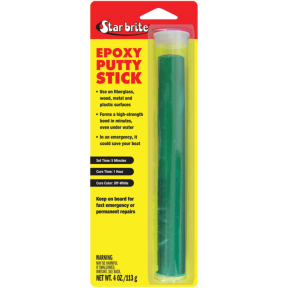
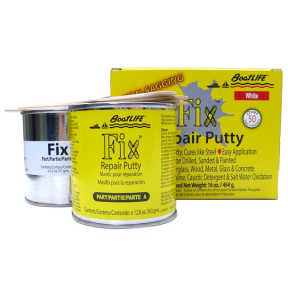
| Epoxy putty or fairing compound | Filling voids, correcting profiles, and smoothing fiberglass surfaces | Confirm whether the formula is intended for structural filling or cosmetic fairing. |
| Penetrating epoxy sealer | Wood consolidation, sealing, and moisture-barrier preparation | Check wood condition and compatibility with later coatings. |
| No-blush epoxy | Multi-coat work where reduced amine-blush preparation is preferred | Follow the recoat window and surface-preparation directions. |
| Fillers, pigments, and additives | Changing viscosity, density, color, sanding properties, or gap-filling performance | Use only additives approved for the selected epoxy system. |
Marine Epoxy Brands
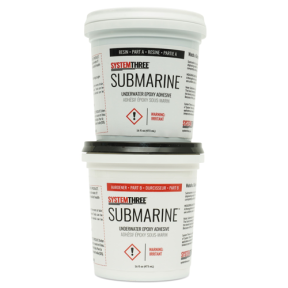
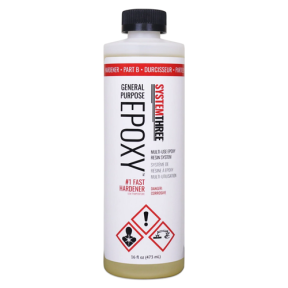
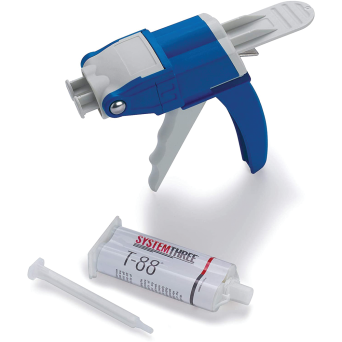
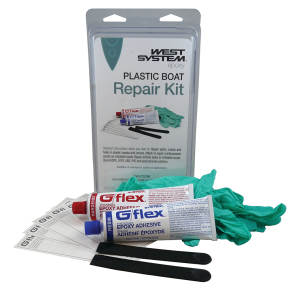
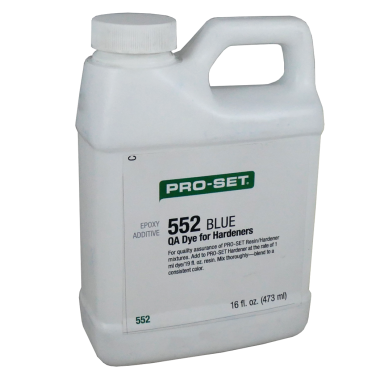
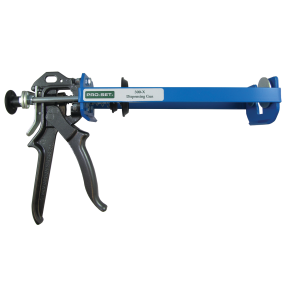
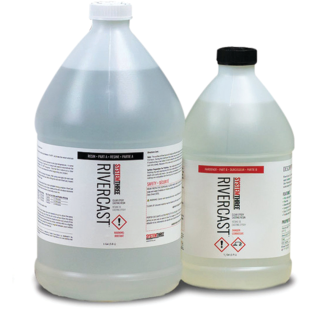
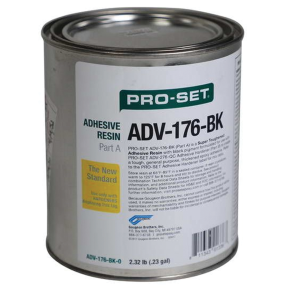
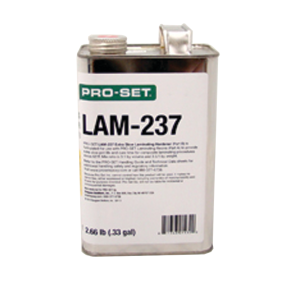
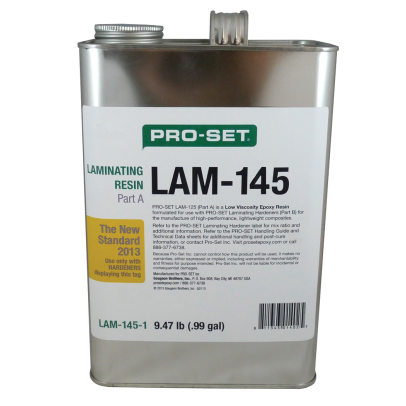
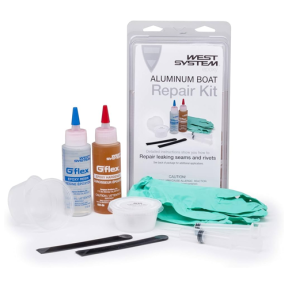
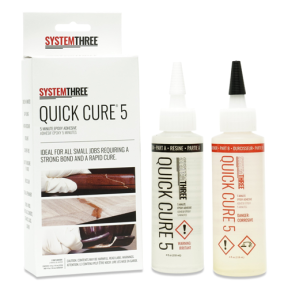
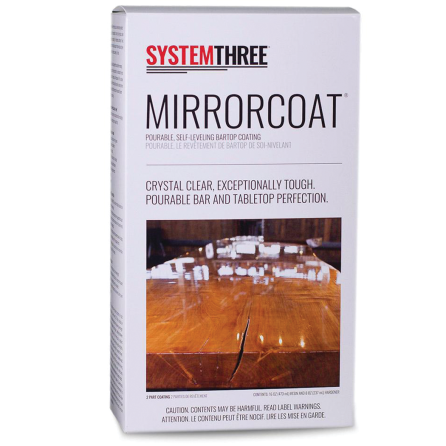
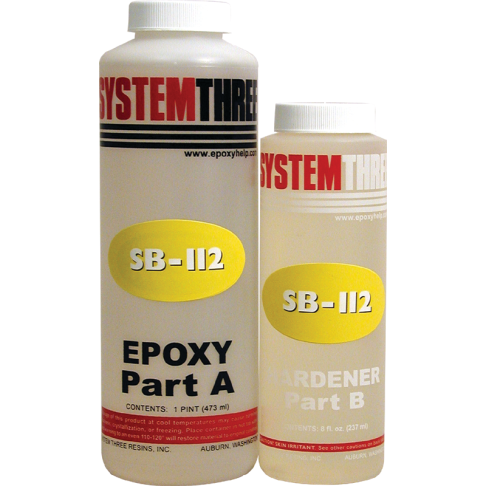
Fisheries Supply offers established marine resin systems from West System, Pro-Set Epoxy, and System Three. Each manufacturer specifies compatible resins, hardeners, pumps, fillers, application temperatures, and mixing ratios.
Do not combine resin and hardener from different brands or product families unless both manufacturers explicitly approve the combination. Selecting components from one documented system reduces the risk of inaccurate ratios, incomplete curing, weak bonds, or persistent surface tack.
Frequently Asked Questions
How long does marine epoxy resin take to cure?
Marine epoxy commonly reaches a functional cure within 24 to 72 hours, but the exact schedule depends on the hardener, batch size, application thickness, and ambient temperature. Full mechanical properties may develop over several days. Check the manufacturer's technical data sheet before sanding, loading, or recoating the cured surface.
Can marine epoxy be used over a polyester fiberglass boat hull?
Yes, marine epoxy can form a strong secondary bond to fully cured polyester fiberglass when the surface is clean, dry, contaminant-free, and properly abraded. Remove wax, gelcoat where required, paint, oil, and loose laminate. Follow the epoxy manufacturer's preparation guidance because repair methods vary by product and hull condition.
Should I choose a fast or slow epoxy hardener?
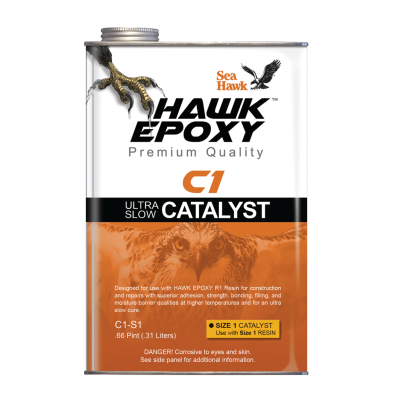
Choose a fast hardener for cooler conditions or small repairs that need a shorter cure schedule. Choose a slow hardener for warm conditions, larger batches, or broad laminating work that requires more application time. Product-specific temperature ranges and pot-life data should determine the final selection.
Can epoxy resin and hardener from different brands be mixed?
No, epoxy resin and hardener from different manufacturers should not be mixed unless both manufacturers approve the pairing. West System, Pro-Set Epoxy, and System Three formulate components around specific chemistry and ratios. An incompatible combination can cause soft curing, persistent tack, reduced strength, or complete bond failure.
Why does cured marine epoxy have a waxy or sticky surface?
A waxy film may be amine blush, a water-soluble curing byproduct associated with some epoxy systems, especially in cool or humid conditions. Wash the surface with clean water and an appropriate abrasive pad before sanding or recoating. Persistent softness or tack may instead indicate an inaccurate ratio or incomplete mixing.
Does marine epoxy need protection from sunlight?
Yes, most standard marine epoxy needs a UV-resistant finish when exposed to sunlight. Unprotected epoxy can yellow, chalk, and lose surface quality over time. After the epoxy cures and receives the required preparation, coat it with a compatible marine varnish or two-part polyurethane paint approved for the intended exposure.