
The Best Sailing Base Layers and Outerwear
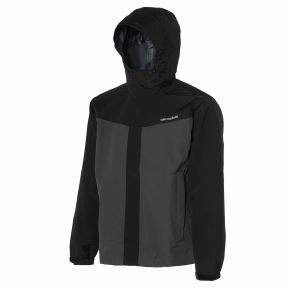
Choosing the right base layers and outerwear for sailing plays a major role in comfort, safety, and endurance on the water. Effective systems manage moisture, reduce heat loss from wind, and work with waterproof outer layers to keep you warm.
At a Glance
- Base layers regulate moisture and temperature next to the skin.
- Material choice directly affects warmth, breathability, and comfort.
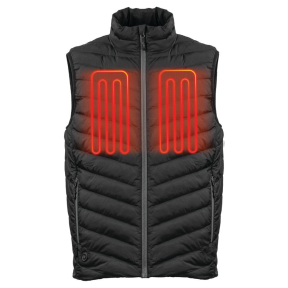
- Midlayers add insulation and wind protection without excessive bulk.
- Proper layering improves performance in changing marine conditions.
Features of Sailing Base Layers
Moisture-Wicking Base Layers
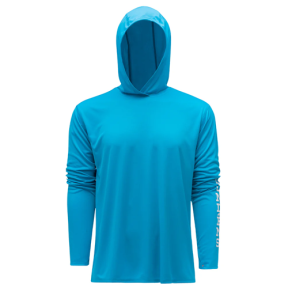
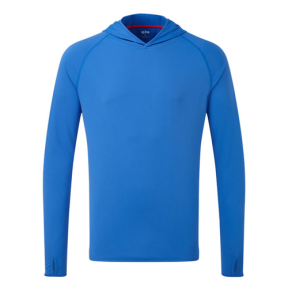
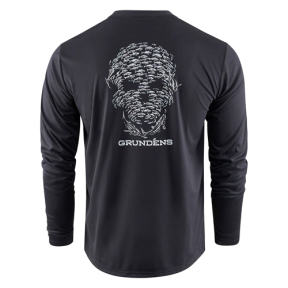
Moisture management is the foundation of any effective sailing layering system. Base layers that move sweat away from the skin help prevent chilling and discomfort during active use.
- Synthetic Fibers: Polyester and polypropylene are commonly used for their ability to wick moisture efficiently and dry quickly.
- Natural Fibers: Merino wool and bamboo are valued for breathability, insulation, and a soft feel against the skin.
Thermal Insulation
Insulating properties help maintain body heat while still allowing excess warmth to escape during physical effort.
- Merino Wool: Naturally insulating and breathable, helping regulate temperature and reduce overheating.
- Synthetic Blends: Materials such as acrylic, nylon, Gore-Tex, and elastane can enhance warmth, durability, and flexibility.
Comfort and Fit
Fit and construction directly affect long-term comfort, especially during extended time onboard.
- Seamless Designs: Reduced seams minimize chafing and irritation.
- Stretch Fabrics: High-stretch materials provide a close fit that supports moisture-wicking and insulation.
Types of Sailing Base Layers
Men’s Sailing Base Layers
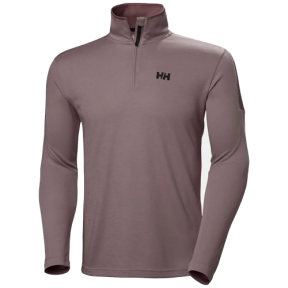
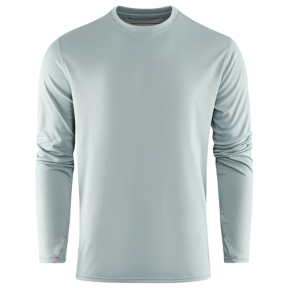
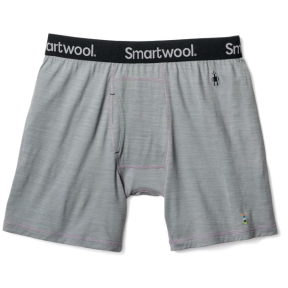
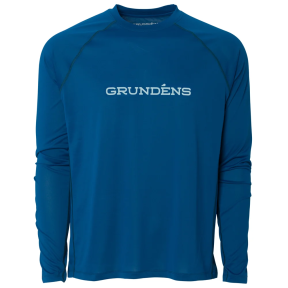
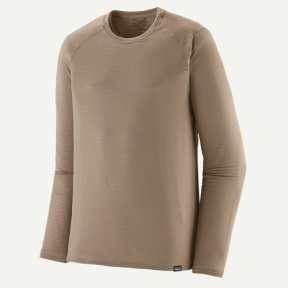
Men’s base layers are available in a range of weights and constructions to match different climates and activity levels.
- Tops and Bottoms: Designed for versatility across varying weather conditions.
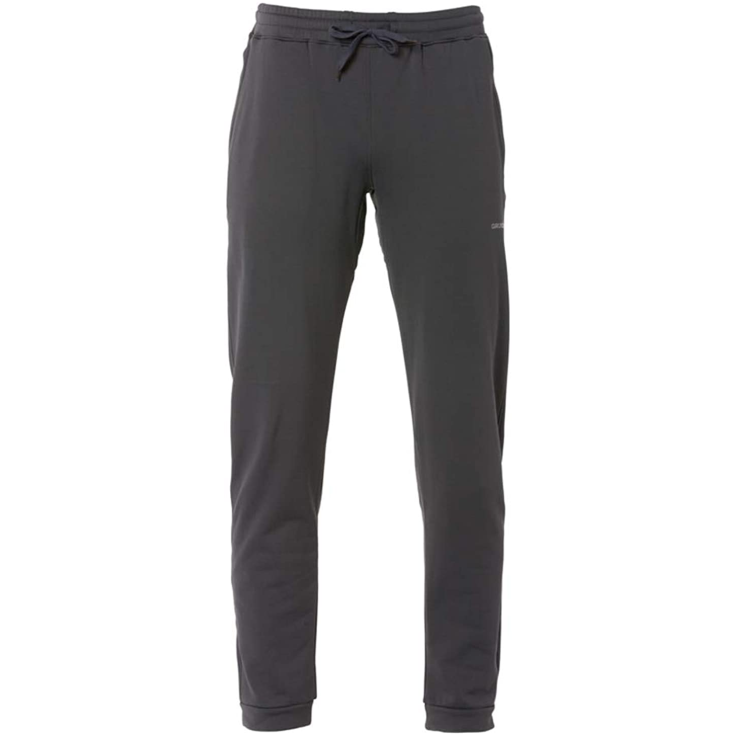
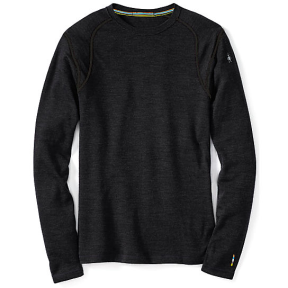
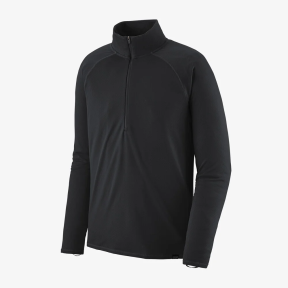
- Thermal Base Layers: Cold-weather options that provide added warmth without excessive bulk.
Women’s Sailing Base Layers
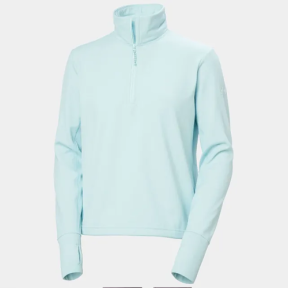
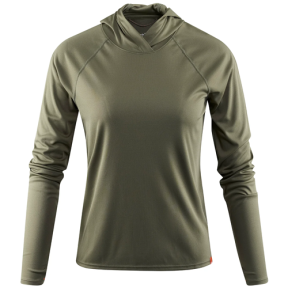
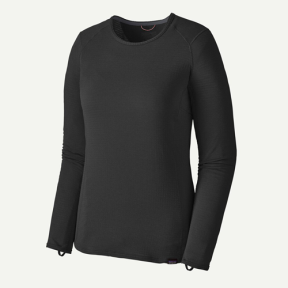
Women’s base layers are shaped for fit while maintaining the same performance standards required for marine use.
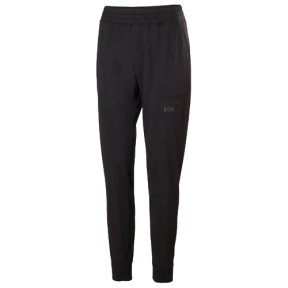
- Thermal Tops and Pants: Built for insulation and comfort in cooler conditions.
- Moisture-Wicking Layers: Help keep the body dry during active sailing.
Sailing Midlayers
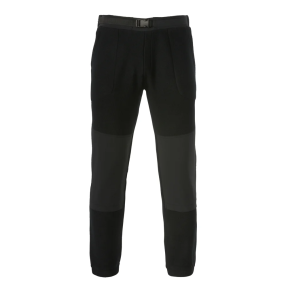
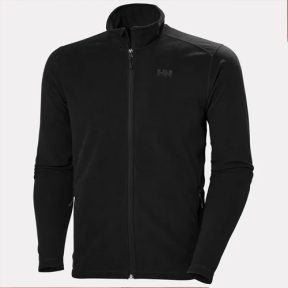
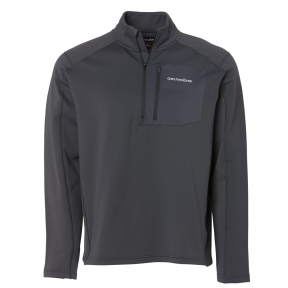
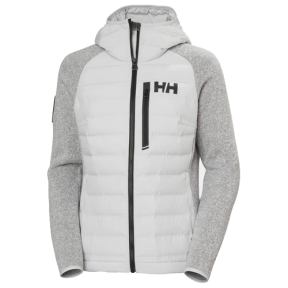
Midlayers sit between base layers and outer shells, providing insulation and protection from wind.
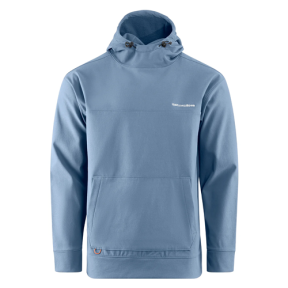
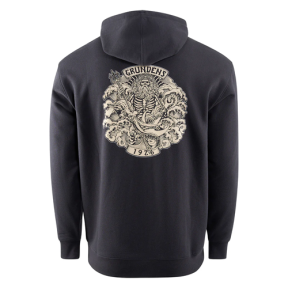
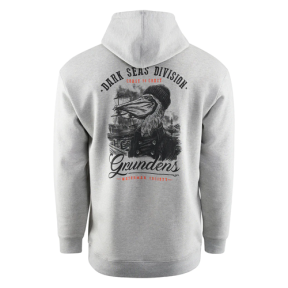
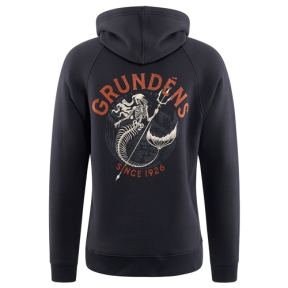
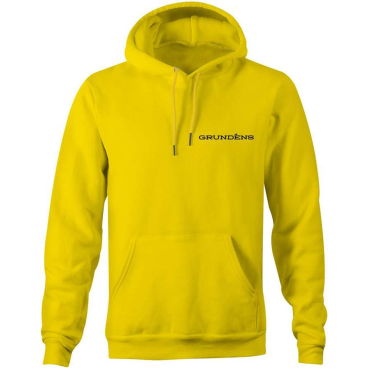
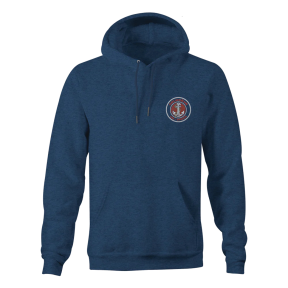
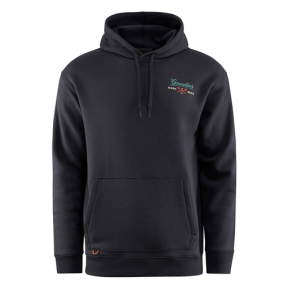
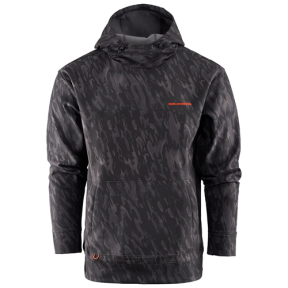
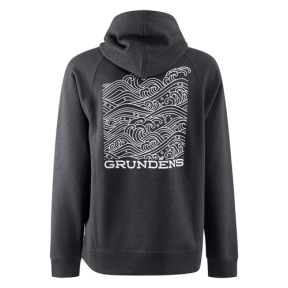
- Fleece Hoodies: Add warmth and layer easily over base layers.
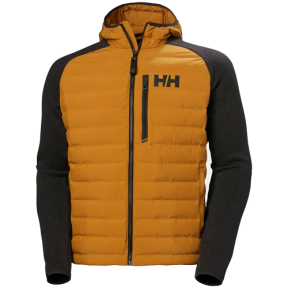
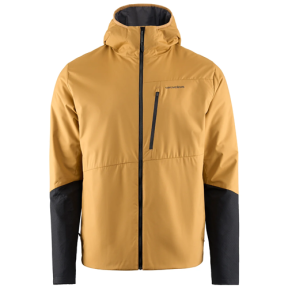
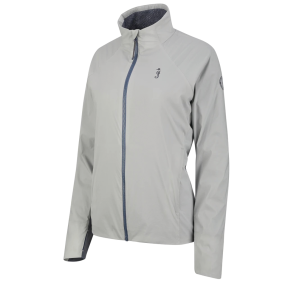
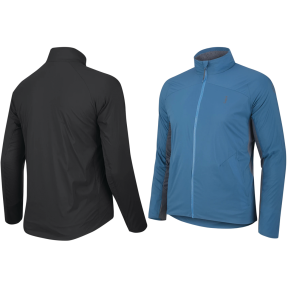
- Soft Shells: Offer wind resistance and flexibility under waterproof jackets.
- Windproof Soft Shells: Create an additional barrier against cold air.
Frequently Asked Questions
Do I need a base layer under my foul weather gear?
Yes. Base layers wick sweat away from the skin, helping keep you dry and warm beneath a waterproof outer shell.
How do I layer for cold weather sailing?
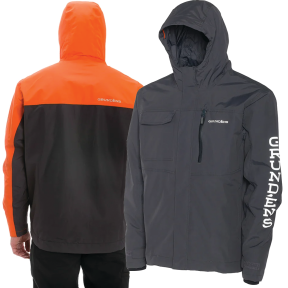
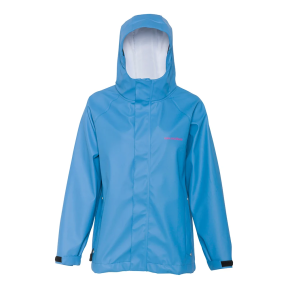
Use a three-layer system: a moisture-wicking base layer, an insulating mid layer such as fleece or synthetic fill, and a waterproof outer layer.
Is fleece a good mid layer for sailing?
Yes. Fleece is lightweight, breathable, and retains warmth even when damp, making it a common mid-layer choice for sailors.
What is the primary difference between a base layer and a mid-layer for sailing?
The base layer is designed to sit directly against your skin to manage moisture by wicking sweat away, which keeps you dry and prevents chills. In contrast, the mid-layer serves as your primary insulation; it is worn over the base layer to trap body heat and provide warmth while still remaining breathable enough to let moisture vapor escape toward your outer shell.
Why should I avoid wearing cotton as a base layer while on the water?
Cotton is highly absorbent and holds onto moisture rather than wicking it away. When cotton gets wet from sweat or spray, it loses its insulating properties and can pull heat away from your body up to 25 times faster than dry fabric. This often leads to a "cold and clammy" feeling, which increases the risk of fatigue and hypothermia in marine environments.
What materials are most effective for marine base and mid-layers?
Effective base layers typically use synthetic fibers like polyester and polypropylene or natural fibers like Merino wool, all of which excel at moisture transport. For mid-layers, polyester fleece and synthetic lofted insulations are preferred because they are lightweight, dry quickly, and continue to provide warmth even if they become damp.
How do I choose the right weight for my layering system?
Choice depends on your activity level and the air temperature. Lightweight layers (approx. 120–150 GSM) are ideal for high-intensity racing or warm conditions where moisture management is the priority. Mid-weight and heavyweight layers (240+ GSM) are better suited for colder climates or lower-activity cruising where retaining core body heat is essential.
Can a mid-layer be worn as an outer layer on a boat?
Yes, many modern mid-layers, such as "softshell" jackets or treated fleeces, feature a Durable Water Repellent (DWR) finish. This allows them to provide adequate protection against light wind and spray on milder days when a full waterproof foul weather jacket might cause you to overheat during active maneuvers.