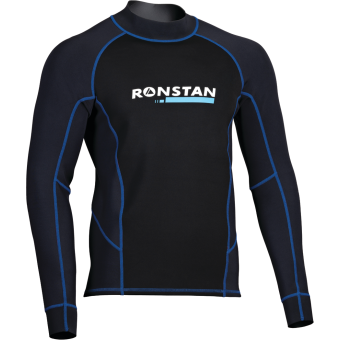
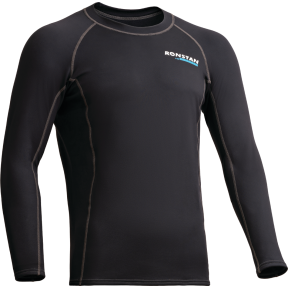
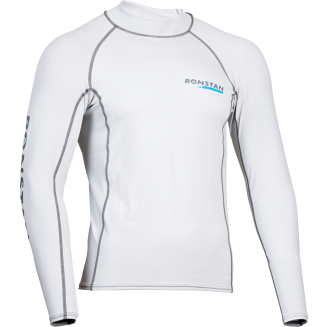
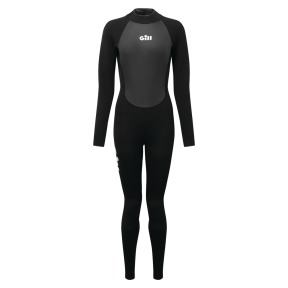
Dinghy Sailing Wetsuits and Gear
Fisheries Supply supplies a wide range of dinghy sailing clothing and accessories. Our inventory includes wetsuits, sailing-specific apparel, and practical accessories designed for active, wet conditions on the water.
At a Glance
- Choose wetsuits based on water temperature and exposure level.
- Neoprene provides insulation even when wet.
- Different cuts balance warmth and freedom of movement.
- Layering can improve comfort across changing conditions.
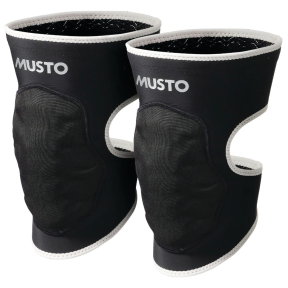
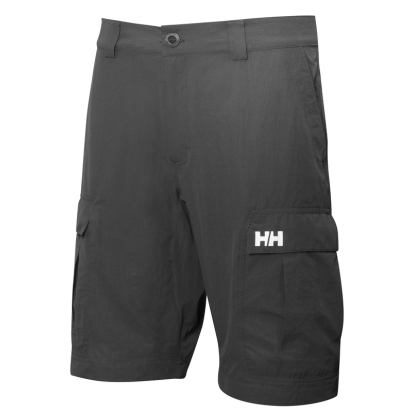
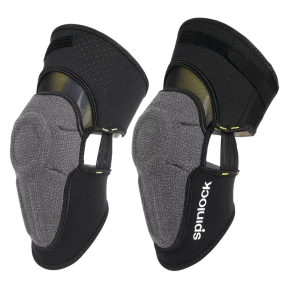
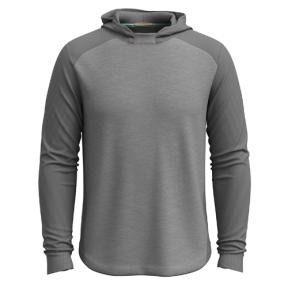
From knee protection and technical tops to essential dinghy sailing equipment, the goal is simple: help sailors stay warm, mobile, and focused while sailing. Products are available from established marine brands such as Helly Hansen, Musto, and Ronstan.
Why Dinghy Sailing Wetsuits Matter
Wetsuits play a central role in both safety and comfort when dinghy sailing. Made from neoprene, these suits work by trapping a thin layer of water between the material and the skin. Body heat warms this layer, helping reduce heat loss in cool or windy conditions.
Because dinghy sailors are frequently exposed to spray, immersion, and sudden capsizes, wetsuits are well suited to this type of sailing. In addition to thermal protection, neoprene can add a small amount of buoyancy, which can be helpful during recovery after a capsize.
Types of Dinghy Clothing and Wetsuits
Long John Wetsuits
- Description: Full-length legs with an open, sleeveless upper body.
- Ideal for: Cooler conditions where warmth is needed without restricting arm movement.
Shortie Wetsuits
- Description: Short legs and no sleeves for maximum ventilation.
- Ideal for: Warm summer weather and lighter sailing conditions.
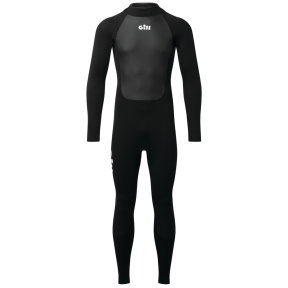
Full-Length Wetsuits
- Description: Full-body coverage including arms and legs.
- Ideal for: Cold water, early-season sailing, or extended time on the water.
Frequently Asked Questions
What is the best outer layer for dinghy sailing?
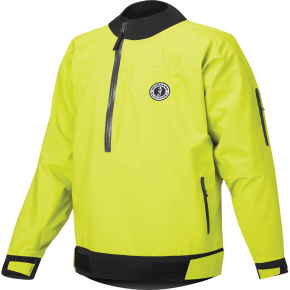
A neoprene spray top, sometimes called a smock, paired with spray pants provides splash protection, flexibility, and additional warmth in wet and windy conditions.
Do I need waterproof bibs or just a spray top?
Spray pants or bibs help prevent water from entering over boots or harnesses and offer lower-body protection when used with a spray top.
Is a wetsuit or drysuit better for cold dinghy sailing?
Many sailors choose a 3–5 mm neoprene skiff suit or wetsuit with a spray top in cold or high-spray conditions. Drysuits provide full dry protection but are generally bulkier and less flexible.
Can spray tops be layered over a wetsuit?
Yes. Spray tops are designed to fit over moisture-wicking layers or lightweight wetsuits, blocking spray while allowing insulation underneath.
How should high-performance dinghy gear fit to ensure maximum comfort?
Dinghy gear should have a flexible fit that allows for a full range of arm and torso movement without being overly bulky. It must be roomy enough to accommodate base layers or a wetsuit underneath. Features like articulated sleeves and adjustable closures at the neck, wrists, and waist are essential for creating a snug but flexible seal against wind and water.
Which brands are recommended for durable dinghy outer layers?
Fisheries Supply stocks several top-tier brands recognized for their durability in harsh marine environments, including Ronstan, Gill, Mustang Survival, and Helly Hansen. These brands offer specialized gear like the Ronstan spray top or the Gill Verso Lite smock, which are engineered specifically for the rigors of dinghy sailing and racing.
When should I choose a drysuit over a traditional spray top and pant system?
A drysuit is recommended for extreme conditions, very cold water, or high-performance sailing where total immersion is likely. It acts as a fully sealed barrier. In contrast, a spray top and pant system is more versatile for varied weather, as it allows you to easily adjust your layers as activity levels or temperatures change throughout the day.
What maintenance is required to keep waterproof sailing gear performing well?
To maintain waterproofing, gear should be rinsed with fresh water after every use to remove salt and grit. It is also important to periodically wash the garments with a technical detergent and occasionally reapply a Durable Water Repellent (DWR) coating to ensure that water continues to bead off the surface rather than soaking into the fabric.