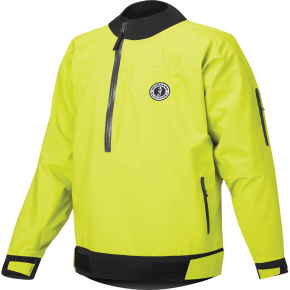
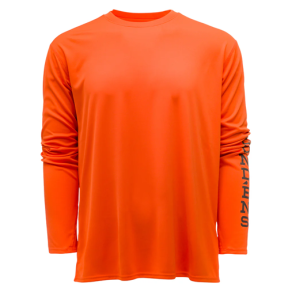
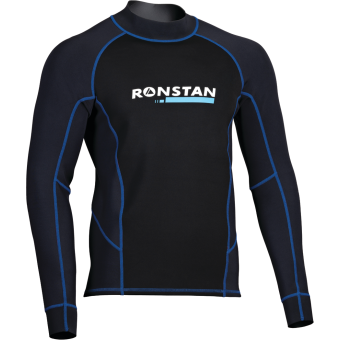
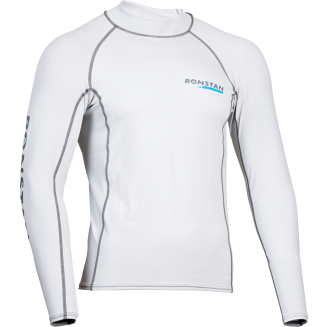
Sailing Smocks and Spray Tops at Fisheries Supply
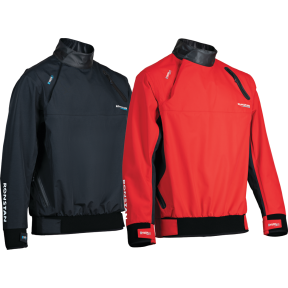
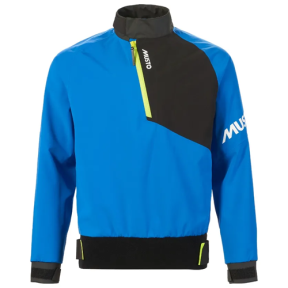
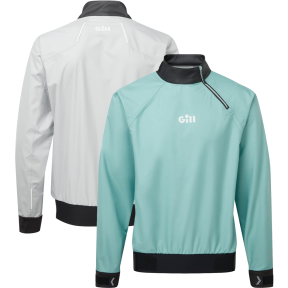
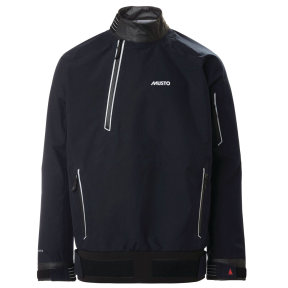
Sailing smocks and spray tops are essential outer layers for dinghy sailing. They provide wind and waterproof protection that helps reduce heat loss from spray and windchill, especially during active sailing and racing.
At A Glance
- Smocks and spray tops provide targeted protection without full foul weather bulk.
- Designed for layering over wetsuits or sailing apparel.
- Ideal for dinghy sailing, racing, and active on-deck use.
- Available from trusted marine brands at Fisheries Supply.
These garments are designed to layer easily. Sailors commonly wear them over a wetsuit in colder conditions or over a lightweight sailing shirt when temperatures are warmer but wet. At Fisheries Supply, the inventory focuses on practical, proven designs.
We stock sailing smocks and spray tops from established manufacturers such as Ronstan and Mustang Survival, brands known for functional sailing apparel built for demanding conditions.
Trusted Brands We Carry
Fisheries Supply carries dinghy smocks and spray tops from manufacturers with a long history in boat clothing.
- Ronstan : Known for practical, well-fitted dinghy sailing spray tops.
- Mustang Survival : Offers robust sailing apparel designed for reliability and long service life.
Product Range and Features
Sailing Smocks
Sailing smocks provide a windproof and waterproof outer layer that works well for dinghy sailing and other active on-deck use. Their pullover design reduces bulk while maintaining protection.
They are commonly used in:
- Cold weather, worn over insulating sailing layers.
- Warm and wet conditions, paired with a lightweight sailing shirt.
Spray Tops
Spray tops are designed to block wind and deflect water from waves and spray. They are especially popular with racers and dinghy sailors who need freedom of movement.
- Racing conditions, where windproof and waterproof protection helps maintain focus and performance.
- Casual sailing, offering lightweight, breathable protection for variable weather.
Frequently Asked Questions
How should a sailing smock fit for marine use?
A sailing smock should fit comfortably over mid-layers without feeling tight, allow full arm movement, extend below the waist, and include adjustable closures that stay secure while remaining flexible during active deck work.
Are smocks sufficient without full foul weather jackets?
For light coastal sailing or mild conditions, a smock paired with durable sailing trousers can be sufficient. In offshore conditions or heavy spray, a full jacket and bib combination provides greater coverage.
What care does a waterproof sailing smock require?
Rinse with fresh water after use, machine wash periodically with non-biological detergent, tumble dry as directed to refresh the DWR coating, and reapply water repellent when water no longer beads on the surface.
How long does a quality sailing smock typically last?
With regular cleaning and occasional DWR re-treatment, a well-made sailing smock can last four to six years under consistent marine use.
What is the difference between a sailing smock and a full foul-weather jacket?
Smocks are often preferred for dinghy sailing or high-activity racing because they lack a full-length front zipper, reducing bulk and potential leak points while providing a more aerodynamic profile. While a smock paired with durable trousers is excellent for coastal sailing and spray protection, a full jacket with a high collar and hood is generally recommended for extreme offshore conditions.
Do performance smocks provide enough breathability for high-exertion sailing?
Yes, high-quality smocks utilize advanced breathable membranes designed to wick moisture and perspiration away from the body. This prevents the "greenhouse effect" inside the garment, keeping you dry and comfortable even when working hard at the helm or grinding winches.
Can a sailing smock be worn in both cold and warm weather?
Sailing smocks are highly versatile outer layers. In cold weather, they can be layered over a wetsuit or thermal base layers to block windchill. In warmer, wet conditions, they can be worn over a simple sailing shirt to provide waterproof protection from spray without causing the sailor to overheat.