
Sailboat Boom Vangs for Mainsail Control and Better Sail Trim
What Is a Boom Vang?
A sailboat boom vang is a sail-control system that applies downward force to the boom to manage mainsail shape, leech tension, sail twist, and boom height. Boom vangs are used by cruising sailors, racers, and boat owners who want more consistent mainsail trim on reaches, runs, and changing wind angles.
Fisheries Supply carries rigid boom vangs, mechanical vang systems, and boom-support solutions from trusted marine manufacturers, including Selden, Forespar, and Boomkicker.
Why Boom Vang Control Matters
- Improves mainsail shape: Helps maintain the intended sail profile as wind angle and load change.
- Controls leech tension: Reduces excessive twist in the upper mainsail for more efficient sail trim.
- Limits boom lift: Keeps the boom from rising too much on reaches and runs.
- Supports predictable handling: Helps sailors make repeatable sail adjustments in changing wind conditions.
- Improves trim precision: Gives the crew an additional control beyond the mainsheet, traveler, and outhaul.
Types of Sailboat Boom Vangs
| Boom Vang Type | Typical Use | Key Benefit | Best Fit |
|---|---|---|---|
| Mechanical vang | General mainsail control using tackle or rigid components | Simple operation and dependable adjustment | Small to mid-size cruising sailboats |
| Rigid vang | Boom support and mainsail trim control | Can support boom height and reduce reliance on a topping lift | Cruising boats and club-racing boats |
| Hydraulic or pneumatic vang | High-load mainsail trim with fine adjustment | Greater control under performance sailing loads | Larger sailboats and racing-oriented rigs |
Featured Boom Vang Brands and Product Options
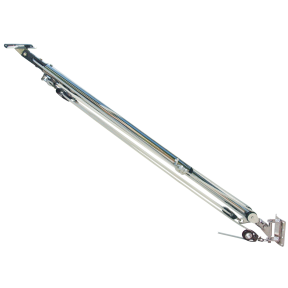
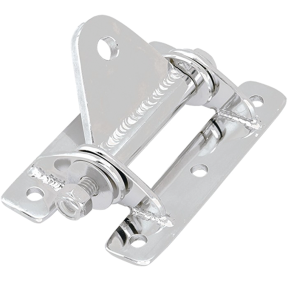
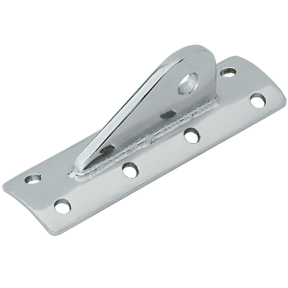
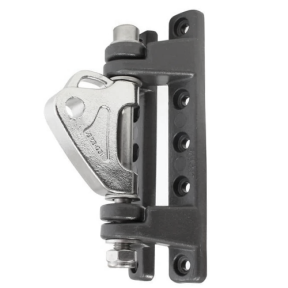
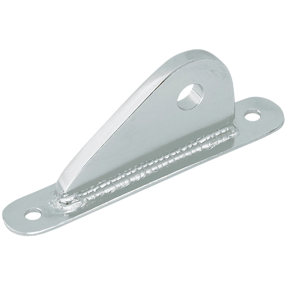
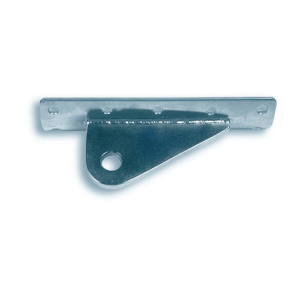
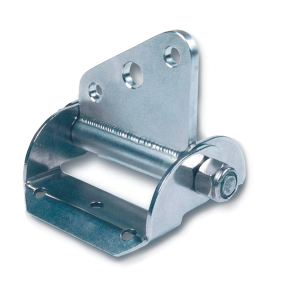
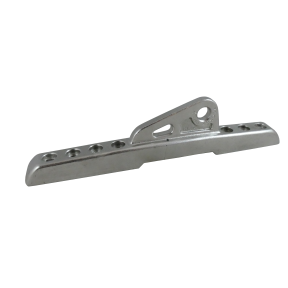
Fisheries Supply offers a selection of sailboat boom vangs and boom-support products from established marine hardware manufacturers. Product options include rigid vang systems, rod-style boom supports, and replacement components for maintaining existing installations.
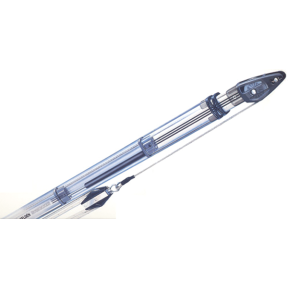
- Selden Rodkicker: A rigid boom vang option for sailboats needing boom support and controlled mainsail trim. View Selden Rodkicker rigid vangs.
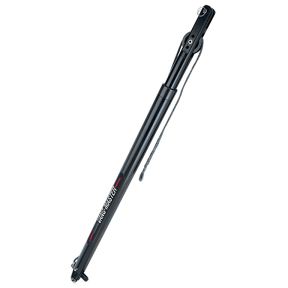
- Forespar Yacht Rod: A boom-support and vang-control solution for sailboats requiring reliable boom positioning. Browse Forespar Yacht Rod boom vang products.
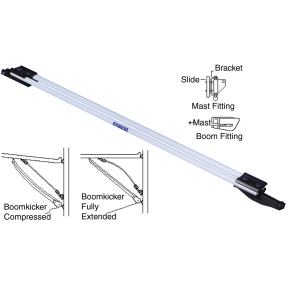
- Boomkicker: A boom-support system designed to help hold the boom up without a topping lift. Shop Boomkicker boom support systems.
How to Choose the Right Boom Vang System
- Match the vang to boat size: Larger boats create higher boom and mainsail loads, which may require stronger rigid, hydraulic, or pneumatic systems.
- Consider sailing style: Cruising sailors often prioritize simplicity and durability, while racing sailors may prioritize adjustment precision.
- Review boom support needs: A rigid boom vang or boom-support system may help eliminate the need for a topping lift.
- Check installation geometry: The vang must fit the available mast, boom, and deck attachment points.
- Plan for maintenance: Replacement parts, inspection access, and corrosion resistance matter in marine environments.
Installation and Maintenance Considerations
Correct boom vang installation is essential because the system must handle downward boom loads while maintaining safe mast and boom attachment angles. Boat owners should confirm hardware compatibility, fastener strength, working load requirements, and clear movement through the boom?s operating range.
Regular inspection helps keep a boom vang system operating reliably. Check attachment points, blocks, lines, rods, springs, hydraulic fittings, and corrosion-prone hardware as part of routine sailboat maintenance.
Frequently Asked Questions
What does a boom vang do on a sailboat?
A boom vang applies downward force on the boom to control mainsail shape, leech tension, and sail twist. By preventing the boom from lifting — especially when sailing downwind — it lets sailors fine-tune draft and power in the sail for improved speed and handling efficiency.
What is the difference between mechanical, pneumatic, and hydraulic boom vangs?
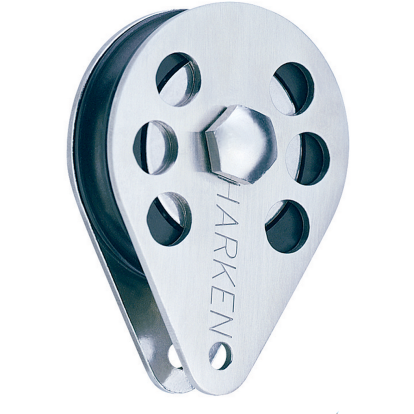
Mechanical vangs use a block-and-tackle pulley system to pull the boom down. Rigid pneumatic vangs use an internal nitrogen gas spring to push the boom up (replacing a topping lift) combined with a mechanical line purchase to pull it down, making them ideal for small to mid-sized cruising sailboats. Hydraulic vangs utilize fluid pressure from a manual pump or electric power pack to manage massive downward leech loads and are typically reserved for larger yachts or high-performance racing boats.
Do I still need a topping lift if I install a rigid boom vang?
No. A rigid boom vang — such as the Selden Rodkicker, Forespar Yacht Rod, or Boomkicker — supports the boom structurally when the mainsail is lowered or eased, eliminating the need for a separate topping lift in most installations.
What are the best boom vang brands for sailboats?
The most widely trusted rigid boom vang brands are Selden (Rodkicker), Forespar (Yacht Rod), and Boomkicker. Each is engineered for reliable boom support and sail control. Brand choice typically depends on boom diameter, boat length, and whether the primary use is cruising or racing.
How do I choose the right boom vang size for my sailboat?
Selecting the correct boom vang requires matching the system's load rating to your boat's mainsail area and boom length. Key inputs are overall boat length, boom diameter, and sailing application — cruising loads differ from racing loads. Manufacturer sizing charts from Selden or Forespar provide model-specific guidance.
How do I maintain a sailboat boom vang to keep it working properly?
Rinse mechanical boom vangs with fresh water after saltwater use and inspect sheaves, pins, and line for wear seasonally. Hydraulic units require periodic fluid checks and seal inspections. Lubricating pivot points with a marine-grade corrosion inhibitor extends service life and ensures consistent downward force on the boom.