

Boat Rudders and Parts
Quick Tips for Selecting Boat Rudders
Rudder Overview
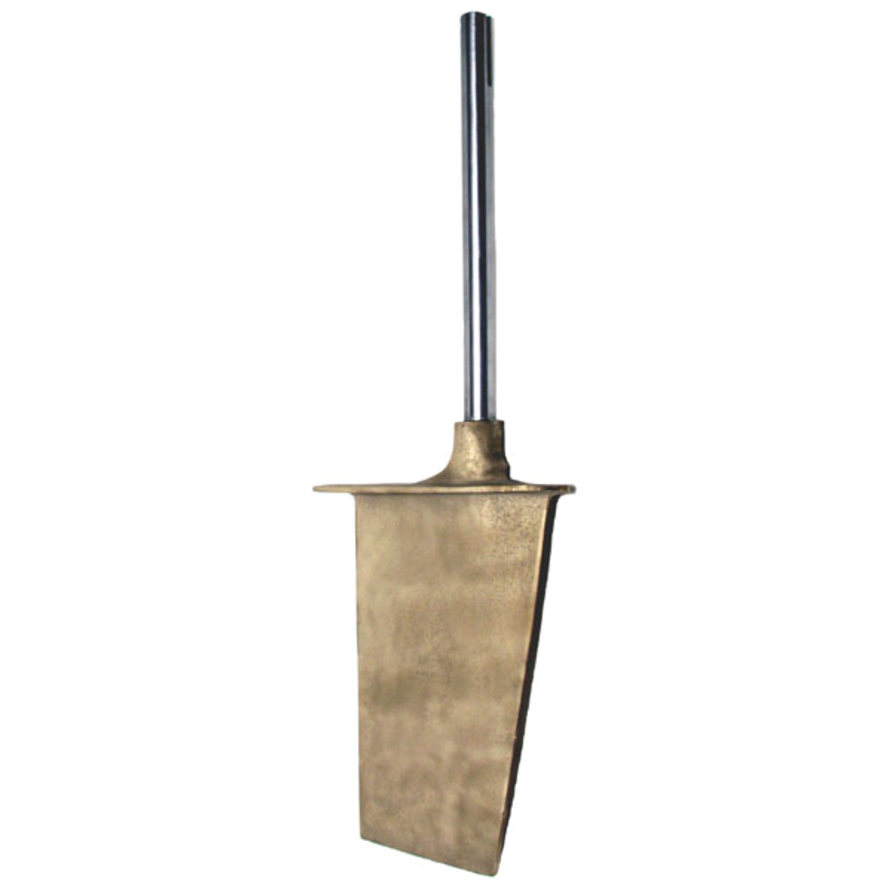
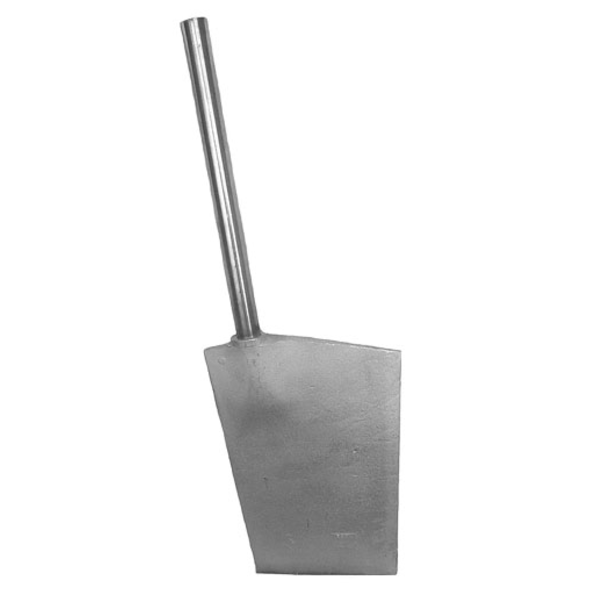
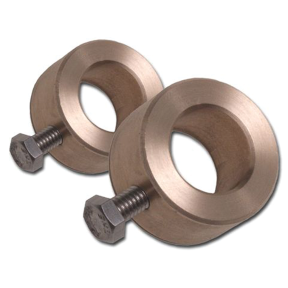
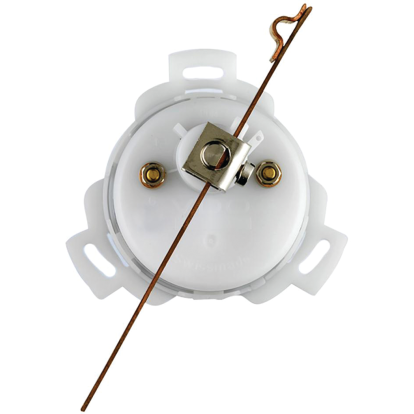
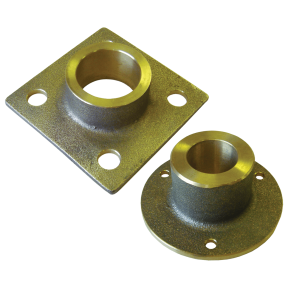
Fisheries Supply carries marine rudders and rudder hardware for steering system repair, replacement, and upgrades. The selection includes Buck Algonquin rudders, spade rudder parts, rudder angle indicators, tiller arms, collars, ports, bearings, and related steering components for sail and power applications.
Shop Rudder Product Types
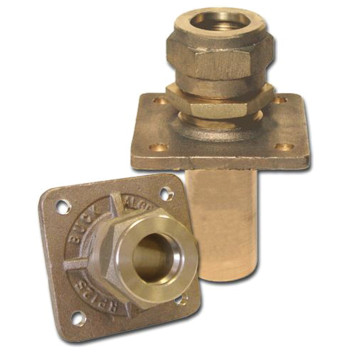
- Buck Algonquin rudders for marine steering repairs and replacement assemblies.
- Spade rudder types for low-drag sailboat steering and responsive helm control.
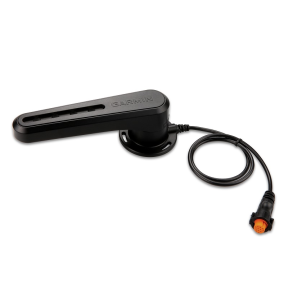
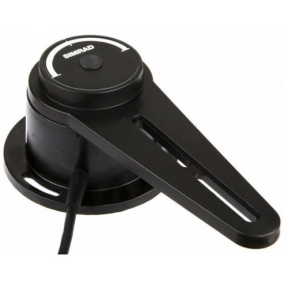
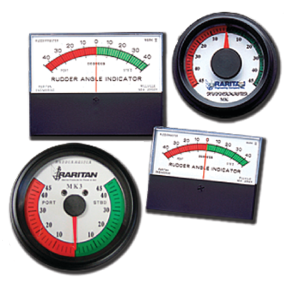
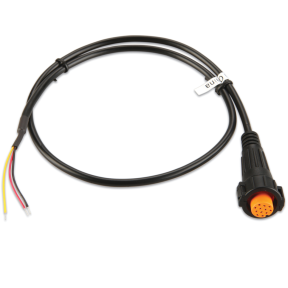
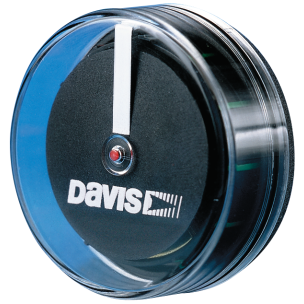
- Rudder angle indicators for helm feedback and steering position visibility.
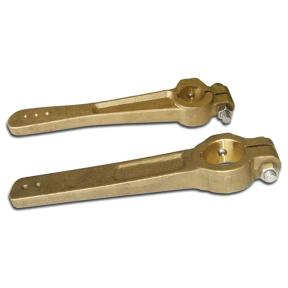
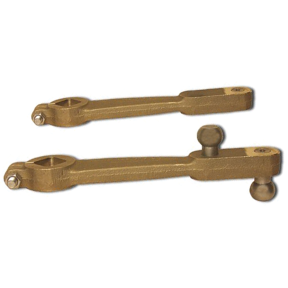
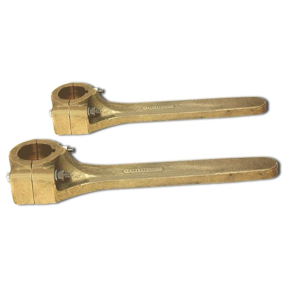
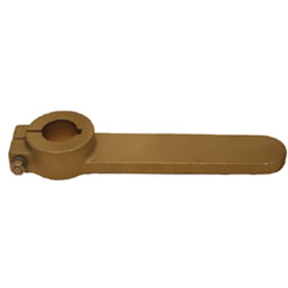
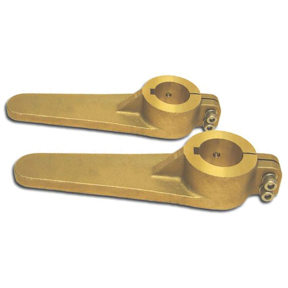
- Tiller arms for connecting the rudder stock to mechanical, cable, or hydraulic steering systems.
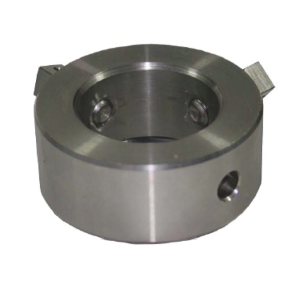
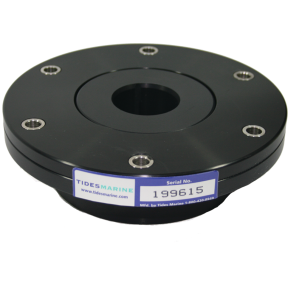
- Rudder collars for retaining, aligning, and securing rudder shafts.
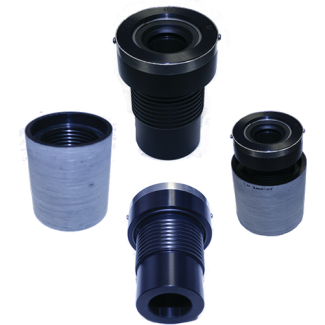
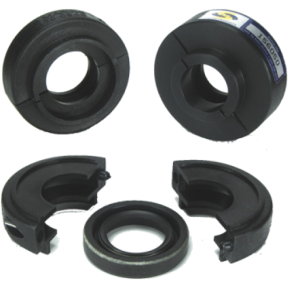
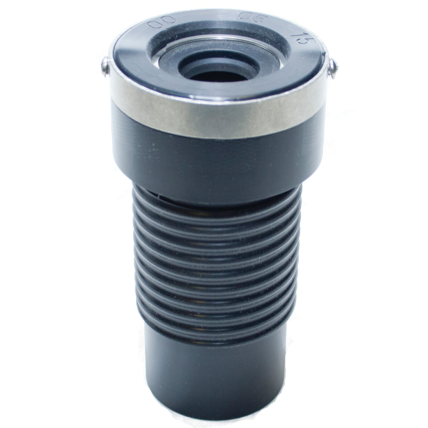
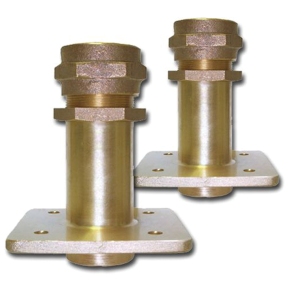
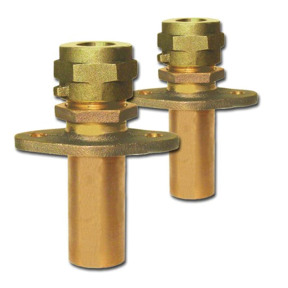
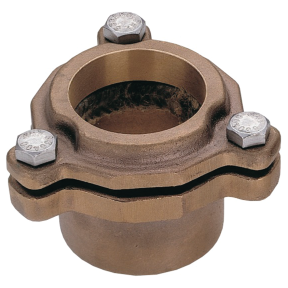
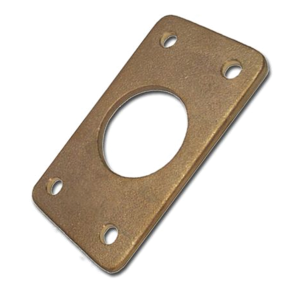
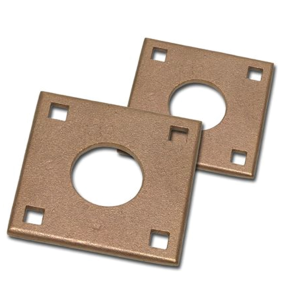
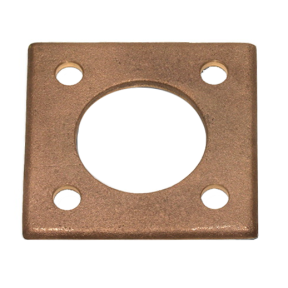
- Rudder ports and bearings for supporting rudder stocks through the hull or rudder tube.
Essential Rudder Components
Rudder systems include structural, bearing, sealing, steering, and corrosion-control parts. Each component should be matched by dimensions, material compatibility, steering-system design, installation instructions, and the vessel operating environment.
| Component | Primary Function | Key Fit Factor | Common Maintenance Signal |
|---|---|---|---|
| Rudder stock or post | Transfers steering force from the helm system to the rudder blade. | Diameter, length, taper, material, keyway, wall thickness where applicable, and connection details. | Visible bending, corrosion, pitting, scoring, cracks, abnormal vibration, or changes after grounding or impact. |
| Rudder blade | Creates steering force in the water. | Blade profile, area, balance, stock connection, construction material, and vessel design. | Cracks, delamination, swelling, water intrusion, impact damage, corrosion, or movement between blade and stock. |
| Rudder port and bearing | Supports the rudder stock where it passes through the hull, rudder tube, or bearing housing. | Bearing type, housing size, stock diameter, mounting pattern, clearance, and material compatibility. | Side-to-side play, binding, rough movement, noise, uneven wear, or visible bearing deterioration. |
| Stuffing box, lip seal, or shaft seal | Limits water intrusion around the rudder stock opening where the vessel design uses a seal or packing arrangement. | Stock diameter, packing size, seal diameter, tube geometry, material compatibility, and installation instructions. | Drips, weeping, salt buildup, hardened packing, damaged lip seals, worn hose, or deteriorated clamps. |
| Tiller arm or quadrant | Connects the rudder stock to hydraulic, cable, rod, chain, or mechanical steering hardware. | Bore diameter, keyway, clamp design, arm length, linkage angle, fastener type, and required torque. | Loose steering, slipped alignment, cracked casting or welds, worn fasteners, distorted keyways, or movement on the stock. |
| Rudder collar | Helps position, retain, or support the rudder shaft assembly where the vessel design uses one. | Shaft diameter, collar thickness, set-screw design, material compatibility, and clearance. | Vertical movement, loose set screws, galling, corrosion, or wear marks. |
| Sacrificial anode | Helps protect bonded underwater metal components from galvanic corrosion when correctly selected and installed. | Water type, alloy selection, electrical bonding, surface area, installation contact, and nearby underwater metals. | Rapid anode loss, no anode wear, pitting, poor electrical contact, loose fasteners, or corrosion on protected hardware. |
How to Choose the Right Rudder Parts
Accurate measurements and system details reduce fit problems when replacing boat rudders, rudder collars, rudder ports, tiller arms, seals, and bearings. Before selecting parts, document the existing steering system and confirm the vessel’s original equipment details when available.
- Identify the boat: Record make, model, year, hull material, engine configuration, and steering type.
- Measure the rudder stock: Confirm shaft diameter, exposed length, taper, keyway size, and hardware interface.
- Confirm bearing configuration: Compare sleeve bearings, roller bearings, housing dimensions, and rudder port style.
- Match sealing components: Select the correct stuffing box, lip seal, packing size, PTFE packing, or graphite packing.
- Verify steering linkage: Check tiller arm bore size, quadrant geometry, hydraulic cylinder connection, and cable alignment.
- Select corrosion protection: Choose zinc or aluminum anodes based on saltwater, brackish water, or freshwater use.
- Plan helm feedback: Add a compatible rudder angle indicator when precise steering position matters.
Maintenance and Troubleshooting
Routine rudder inspection helps protect steering control, hull integrity, and onboard safety. Annual haul-out checks should focus on rudder alignment, shaft play, seal condition, bearing wear, anode condition, and the security of tiller arm or quadrant hardware.
Recommended Maintenance Checks
- Inspect rudder bearings and ports for free play, rough movement, corrosion, and uneven wear.
- Check the rudder stock for scoring, bending, pitting, and alignment changes after grounding or impact.
- Review seals, stuffing boxes, and packing for leaks, compression loss, or visible deterioration.
- Maintain sacrificial anodes and bonding connections to reduce galvanic corrosion on metal hardware.
- Test rudder angle indicators for accurate calibration, smooth sensor movement, and secure linkage.
Common Rudder Problems
- Heavy helm: Bearing failure, misalignment, bent rudder stock, or steering linkage resistance may be present.
- Blade movement: Loose collars, worn bearings, damaged keyways, or excess shaft clearance can create rudder play.
- Water leaks: Worn packing, damaged lip seals, loose port fasteners, or deteriorated bedding may allow water intrusion.
- Incorrect rudder angle reading: Sensor drift, worn potentiometers, loose linkage, or poor calibration can affect helm displays.
Frequently Asked Questions
What measurements do I need before buying boat rudder parts?
You need the rudder stock diameter, exposed shaft length, bearing housing dimensions, seal or packing size, and steering interface details. Boat make, model, year, hull material, and steering type also help confirm compatibility for rudder collars, tiller arms, rudder ports, and bearings.
How do I know when rudder bearings need replacement?
Rudder bearings usually need replacement when the blade has excess side-to-side movement, rough rotation, binding, or visible shaft wear. During haul-out, inspect the rudder port, bearing surface, collar, and stock alignment because worn bearings can increase helm load and damage surrounding steering hardware.
What is the difference between a spade rudder and a transom-hung rudder?
A spade rudder is mounted below the hull and supported mainly by the rudder stock and internal bearings. A transom-hung rudder mounts on the stern with pintles and gudgeons. Spade rudders are common on modern sailboats, while transom-mounted rudders are common on smaller craft.
Which rudder anode material should I use for my boat?
Choose rudder anode material based on water type and bonding condition. Zinc anodes are commonly used in saltwater, while aluminum anodes are often suitable for saltwater and brackish water. Confirm alloy compatibility with the rudder stock, bonding system, and nearby underwater metals.
Why is my rudder angle indicator showing the wrong position?
A rudder angle indicator may show the wrong position because of sensor drift, loose linkage, worn potentiometer parts, or poor calibration. Check the rudder sensor arm, helm display setup, wiring connections, and steering movement before replacing the indicator assembly or related electronic components.
Can I replace a tiller arm without replacing the full rudder assembly?
Yes, a tiller arm can often be replaced separately when the rudder stock, bearing, collar, and blade remain serviceable. Match the bore diameter, keyway, clamp style, arm length, and linkage geometry so the replacement tiller arm transfers steering loads safely and maintains proper alignment.