
Protect Your Propeller Shaft with Shaft Anodes
Shaft anodes, also called zinc anodes or sacrificial anodes, protect boat propeller shafts from galvanic corrosion in saltwater, brackish water, and freshwater. This category helps boat owners and marine technicians choose the right shaft collar anode by water type, shaft diameter, vessel material, and underwater metal components.
What Are Shaft Anodes?
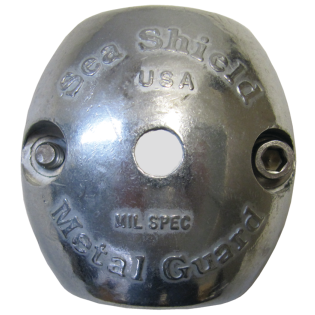
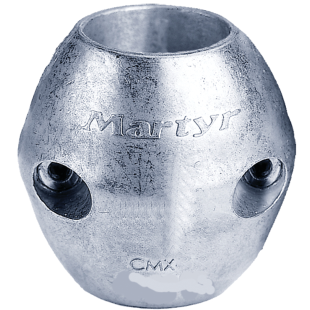
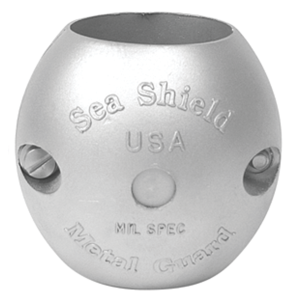
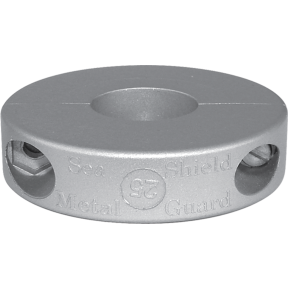
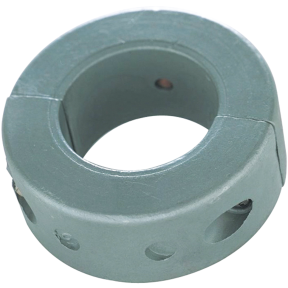
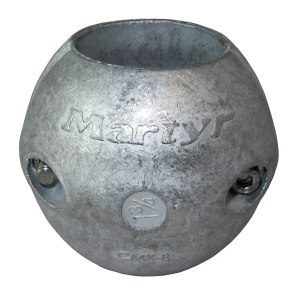
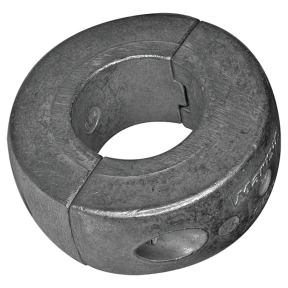
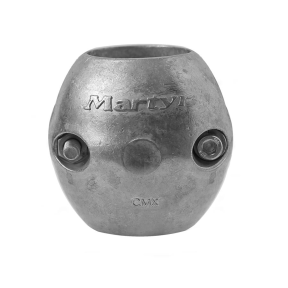
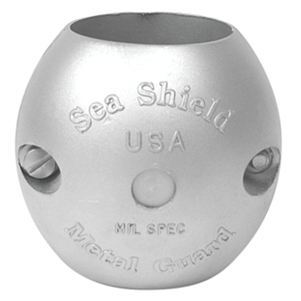
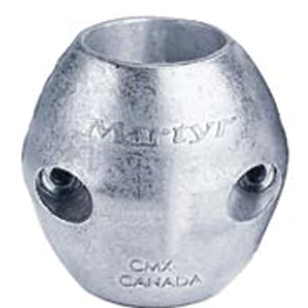
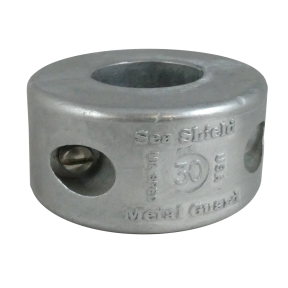
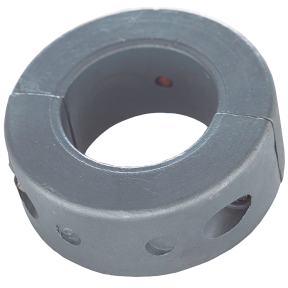
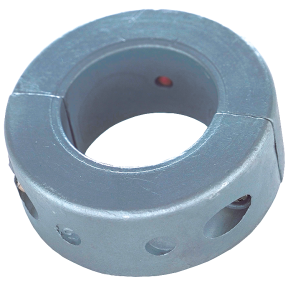
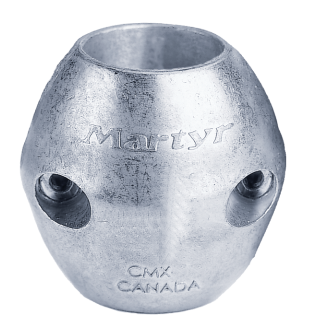
A shaft anode is a sacrificial metal collar mounted directly on a boat propeller shaft. It is designed to corrode before more expensive underwater components, including the propeller, strut, and drive train.
Galvanic corrosion occurs when dissimilar metals are connected through water and electrical current. Shaft anodes help reduce that risk in saltwater harbors, electrically active marinas, mixed-metal propulsion systems, and other marine environments where underwater metals are exposed.
How to Choose the Right Shaft Anode
Choose by Water Type| Anode Material | Recommended Water Type | Selection Notes |
|---|---|---|
| Zinc anodes | Saltwater | Common choice for full-time saltwater use and traditional marine corrosion protection. |
| Aluminum anodes | Saltwater and brackish water | Useful for mixed water conditions and often selected for longer service life. |
| Magnesium anodes | Freshwater | Designed for freshwater applications and not recommended as a general saltwater substitute. |
Choose by Shaft Size and Vessel Setup
| Selection Factor | What to Consider |
|---|---|
| Shaft Diameter | Select a shaft collar anode that matches the propeller shaft diameter. |
| Hull Construction | Wood, fiberglass, steel, and aluminum boats may require different corrosion protection considerations. |
| Underwater Metals | Consider the propeller, strut, drive train, rudder, trim tabs, and other fittings when reviewing anode coverage. |
| Local Conditions | Electrically active marinas, polluted water, and mixed-metal propulsion systems may require more frequent inspection. |
Maintenance and Replacement Tips
- Inspect shaft anodes at least seasonally, and more often in warm or electrically active waters.
- Replace the anode when about 50% of the original material has dissolved.
- Use a secure metal-to-metal connection so the anode can provide electrical continuity.
- Clean contact surfaces before installation if oxidation, paint, or residue could reduce contact.
- Keep spare anodes aboard during extended trips where mid-season replacement may be needed.
Frequently Asked Questions
What does a shaft anode do on a boat?
A shaft anode protects a boat propeller shaft by corroding before the shaft, propeller, strut, and related underwater metal parts. This sacrificial action helps reduce galvanic corrosion when dissimilar metals are exposed to saltwater, brackish water, freshwater, and stray electrical activity near marinas.
How do I choose the right shaft anode material?
Choose the shaft anode material by water type: zinc for saltwater, aluminum for saltwater or brackish water, and magnesium for freshwater. The best selection also depends on shaft diameter, hull construction, underwater fittings, local marina conditions, and whether the boat has mixed-metal drive train components.
When should I replace a shaft anode?
Replace a shaft anode when about 50% of the original material has dissolved. A depleted zinc, aluminum, or magnesium anode has less sacrificial metal available, which can reduce protection for the propeller shaft, propeller, strut, and related drive train components.
Can I use aluminum anodes instead of zinc anodes?
Aluminum anodes can be used in saltwater and brackish water applications where they are appropriate for the boat’s underwater metals. Zinc anodes remain common for saltwater use, while magnesium anodes are reserved for freshwater. Avoid mixing anode metals unless a qualified marine technician confirms compatibility.
How do I size a shaft collar anode?
Size a shaft collar anode by matching it to the propeller shaft diameter. The anode must clamp securely around the shaft and maintain clean metal-to-metal contact. If the shaft diameter is unknown, measure the shaft before ordering.
What happens if a boat does not have shaft anodes?
Without shaft anodes, galvanic corrosion can attack the propeller shaft and nearby underwater metals instead of a sacrificial anode. Possible results include metal pitting, weakened shaft surfaces, reduced drive train reliability, and earlier replacement of propeller, strut, or shaft-related components.