What Should Be in Your Abandon Ship Bag
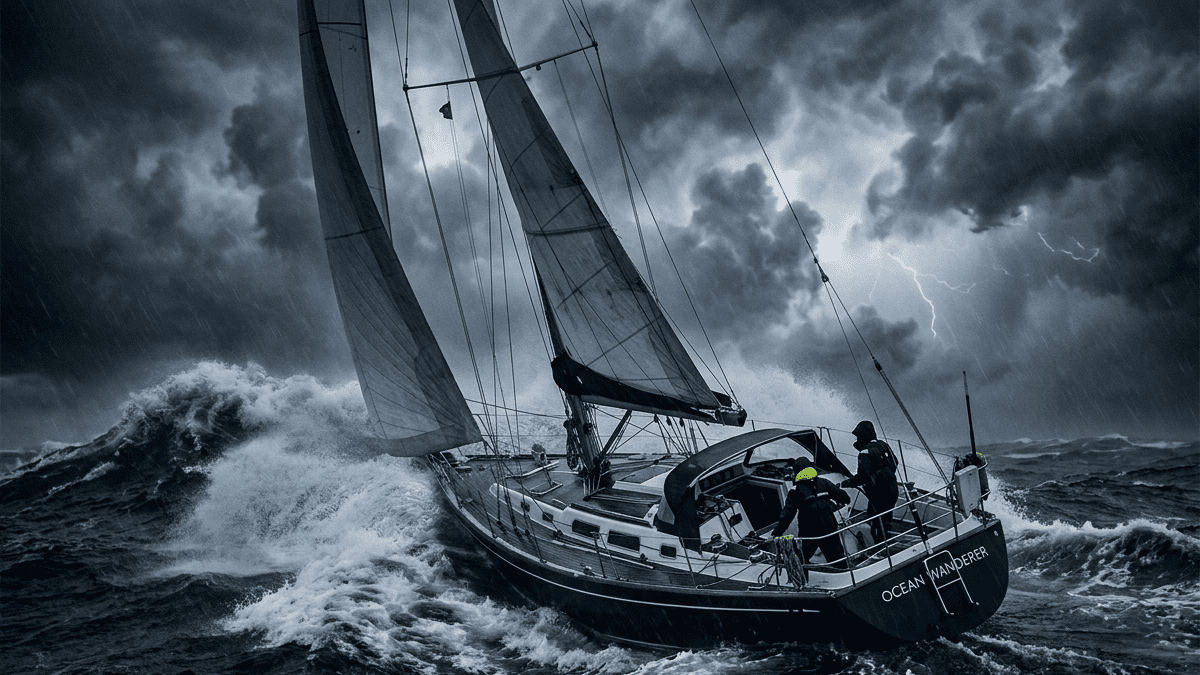
As boaters, it's our responsibility to do everything we can to remain safe on the water. However, no matter how much you prepare, unanticipated events can occur and it's important to be prepared for the worst – the need to abandon ship.
Crucial Safety Insights: What Every Captain Needs to Know About Marine Ditch Bags
- Preparation for Remote Travel: While most boaters stay within quick rescue range, having an organized abandon ship ditch bag is essential when traveling to remote areas or facing unexpected emergencies like fire or rapid sinking.
- Strategic Bag Weight and Location: Ditch bags must be enclosed in waterproof, floating containers labeled clearly and placed near the life raft or exit. Captains should ensure the total weight is manageable for any crew member to lift in heavy seas, splitting the gear into multiple bags if necessary.
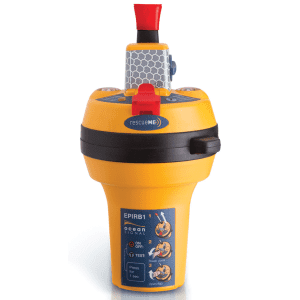
- EPIRB and PLB Management: A 406 EPIRB should be mounted on a quick-release bracket near the exit rather than packed deep inside a bag, ensuring immediate accessibility without re-entering a hazardous vessel. A smaller Personal Locator Beacon (PLB) can safely live inside the ditch bag itself.
- Beacon Registration Best Practices: Distress beacon registration must be updated with NOAA before undertaking long ocean passages or traveling outside normal cruising grounds to provide rescuers with current plans, vessel size, and passenger counts.
- Power and Communication Redundancy: Communication electronics, such as waterproof handheld VHFs and GPS units, require dedicated backup batteries sealed in watertight bags. Combining devices (like a VHF with built-in GPS) optimizes space and limits weight.
- Tiered Packing Priorities: Emergency items should be prioritized into critical gear (flares, rations, passports, medications, signaling mirrors, and knives), comfort gear (anti-seasickness pills, thermal protective aids, hand-operated water makers, and full-coverage clothing), and optional gear (tools, logs, and waterproof fire starters).
- Mandatory Routine Audits: Maintaining a comprehensive marine ditch bag contents list is highly recommended to systematically replace expired water rations, test batteries, and ensure borrowed safety equipment is returned before every major trip.
While the majority of boaters are usually within range of a quick rescue – especially if they have a properly operating 406 EPIRB or PLB on board – some boaters may be planning to travel to more remote areas where an abandon ship ditch bag will be necessary. While no list can be considered complete, below we make some recommendations on items to include in your Abandon Ship Bag – from the most critical items, to the items that will make your wait for the rescuers more comfortable.
Critical Items for the Boaters Ditch Bag: Your Personal Lifeline
First off are the absolute must have items for your Abandon Ship Bag – all the items that will make the biggest difference in ensuring your successful rescue. These items should be in an enclosed waterproof container or bag, clearly labeled and located as close as possible to your life raft or where you exit your boat. Every person on board should know where this bag is and as the captain, you should also ensure that the bag is not too heavy for any crew member to lift under highly adverse sea conditions – even if that means splitting it into several bags. Here's what you need:
-
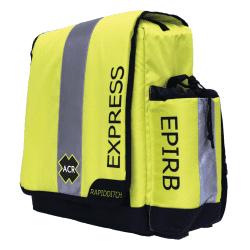
406 EPIRB or PLB – that has been registered with the coast guard and updated to include your general location and short term plans. This item sends out a distress signal that gives rescuers all of the important information about your current emergency position (via GPS), your boat name and size, how many people are on board, and other pertinent data. You can update your information at any time at this NOAA website. Your 406 device does not live in your ditch bag, but rather should be located where you can get it without re-entering your vessel as that may not be an option (such as in the event of a fire or a rapid sinking). The best option is often to mount it in a quick release bracket just inside the companionway or outside near your life raft and grab it right before abandoning ship. A 406 PLB (Personal Locator Beacon) will also transmit your emergency location and is small enough to be stowed within your Abandon Ship Bag – so you may want to consider having both to increase your chances of survival.
-
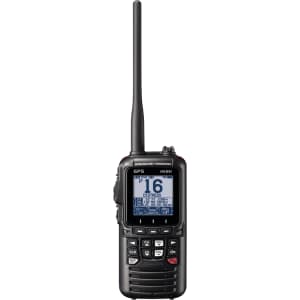
Waterproof Handheld VHF – imperative for being able to communicate with your rescuers. Make sure your VHF is fully charged and that you have backup batteries available (stored in a watertight baggie) if applicable to your unit.
-
Waterproof Handheld GPS – being able to report your exact location will ensure your rescuers find you much faster. Again – make sure your GPS unit is fully charged and you have back-up batteries available. It's worth noting here that many newer handheld VHFs actually come with GPS, so it might be worth investing in a combined device – saving room AND weight in your bag.
-
Cell Phone – while the battery life will only last as long as you carefully conserve the charge, if you are close enough to land it may help you get directly in touch with rescuers.
-
Flares SOLAS grade, Aerial, Handheld and Parachute flares – make sure to bring a complete variety that will show up well at any time – day or night. Most flares only last about 2 minutes and are a class D fire hazard – so handle them with care – especially when you are in your life raft.
-
Flourescent Dye – use this to mark the water for clearer visibility from above in daylight.
-
Whistle – every person in the life raft should have a marine whistle attached to their life vest. The ability to make a lot of noise at a critical moment may help others find you in the water, or help get you rescued. If you have the space, you might also consider a portable air horn.
-
Signal Mirror – when you've used up your flares and your batteries are dead – having a mirror in your abandon ship bag may be your last hope.
-
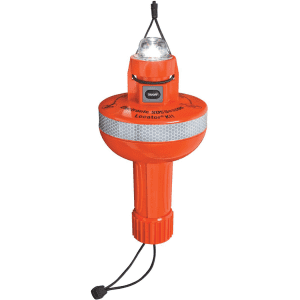
Strobe Lights – attach directly to your life jacket. These lights make you much easier to see and they are required by the USCG and SOLAS requirements to operate for over 48 hours. Your life raft will also likely have some sort of strobe light on top.
-
Flashlight – a small, floating waterproof flashlight (preferably LED) can prove extremely helpful on dark nights. Don't forget extra batteries!
-
Documents – this should include a passport for every person on board and any important ship's documents.
-
Money – include some cash and several credit cards to help you get back to a safe place after you have been rescued.
-
Water – pack water rations. You can either buy them specifically through companies that inspect/repack life rafts or buy some plastic water bottles – as many as you have room for. With a little air in the top they will float and they can be reused for collecting rainwater or water maker water if you have one.
-
Food – since space will be at a premium, try to pack high energy, long storage foods such as power or energy bars or survival biscuits into your abandon ship bag. You need as many nutrients as possible in the smallest package.
-
Sharp Knife – make sure any knives have a case or fold back when not in use. Operate with extreme care when on the raft.
-
Prescription Medications – extra vials of medications should be packed into the bag since you likely won't have time to grab them out of the medicine cabinet. You might also include a short write-up of any pertinent medical conditions.
-
Sunscreen – preferably +45 and waterproof.
What are Some Comfort Items I Can Take?
Okay – now that you've got the most crucial items in your Abandon Ship Bag – what else should you bring? Following are items that are handy to have and will definitely make living in the raft more comfortable:
-
Charts & Navigation Tools – it's good to know where you are – especially if you might be near a shipping lane – a good place to be when you need rescuing.
-
Anti Seasickness Pills – if you have issues with seasickness, it's imperative that you bring these to avoid dehydration caused by vomiting. Pack your seasickness medication with your prescriptions so they are all together.
-
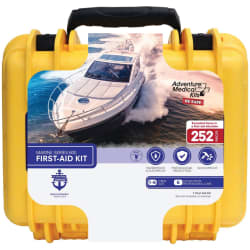
First Aid Kit – to treat any injuries that come up.
-
Spare Air Pump – keeps your raft fully inflated and more comfortable.
-
Utility Tool – something like a Leatherman is just good to have around for a variety of uses.
-
Fishing Kit – should include line, hooks, sinkers and some sort of flasher.
-
Extra batteries – make sure to have extra batteries for any battery powered electronics like the handheld VHF radio or GPS.
-
Duct Tape – more uses than we can mention. Make sure to buy the type that is meant for outdoors and that can be used on wet surfaces.
-
Hand Operated Water Maker – make all the water you need – you'll have the time!
-
Polypropylene Cord – use to secure items to the raft, string fish to dry or to hang clothes to dry.
-
TPA – Thermal Protective Aid – These aid in keeping you dry and warm as the water under the raft will leach your warmth - even in the tropics.
-
Garbage Bags & Ziplocks – great for keeping stuff organized and dry.
-
Cushion – any type of cushion that will keep you out of the water, since wherever you sit will be the lowest point of the raft where water settles.
-
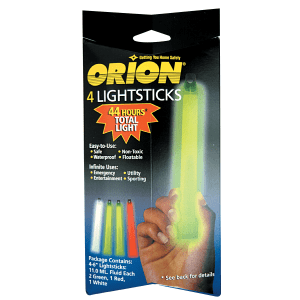
Light Sticks – use to read, attract fish or just provide general comfort at night.
-
Full Coverage Clothing – for cold water, pack long underwear and a thermal hat – for warmer climates, pack long pants and a long sleeve shirt (preferably high-tech fabric) and a wide brim hat. Not only will these help protect you from the sun, they will wick moisture away from your skin and help with heat retention. Vacuum pack to take up less room.
-
Sponge – helps keep the water on the outside of the raft. Store in a plastic bag when not using.
-
Toilet Paper – in a zip lock bag.
-
Sunglasses – to protect your eyes from the harsh glare of the sun on the water.
-
Antibiotic Cream – for all the small injuries that can become big without treatment.
Optional Items for Your Abandon Ship Bag
Finally, here are some suggested items that would be great to have along if you have the room for them - but make sure to split into an extra ditch bag if the essentials are too heavy:
-
Note Pads – good for navigation notes and keeping a log.
-
Books/Playing Cards – you'll need some entertainment.
-
Can Opener – in case you have time to offload canned goods.
-
Floating Cutting Board – for use with your knife, tied to the raft. Can also be used as a paddle blade.
-
Toothbrush/Dental Floss – for obvious reasons. Dental floss can also be used for many different purposes.
-
Bug Repellent – critical if you make landfall.
-
Waterproof Fire Starter & Safety Matches – for use onshore even under the wettest conditions when starting a fire if you make landfall.
-
Spear Gun/Gaff Hook – great if you make landfall, but not recommended for use on your raft unless you have extensive experience using it.
Frequently Asked Questions
How do I choose the right size and type?
It's always a good idea for your ditch bag to be waterproof as it's highly likely to get wet at some point during your trip into the life raft. An extra bonus is if you can find one that will also float as the last thing you want is to miss your toss and watch all the items disappear underwater.
How Often Do I Need to Update the Registration on My PLB Or Distress Beacon?
You should update your registration any time you are setting off on a major trip, especially if you will be gone for an extended amount of time, or if you'll be outside your normal cruising grounds. You should absolutely update it before heading out on any long ocean passages (vs. coastal cruising).
What Can I Add to Help with Navigation?
You don't want to go too crazy here since you'll be at the whim of the currents and wind once you're in your life raft - but we would definitely recommend carrying something in your abandon ship bag that will show your current GPS position so that if you do come within radio range of a larger ship, you'll be able to give your exact location. Some personal locator beacons now include this information in the readout - very handy!
Should I Make a Marine Ditch Bag Contents List?
You may find it helpful to make a list of the contents of your boat ditch bag. That way, before you depart on a big trip you can check your marine ditch bag list to make sure you've replaced anything that might need to be updated or refreshed (such as fresh water or batteries). It's also a good idea to check that all the items are actually in the bag just in case some items were "borrowed" for another trip and not returned.
What is the difference between an EPIRB and a PLB for a ditch bag?
An EPIRB (Emergency Position Indicating Radio Beacon) is typically registered to a vessel and transmits a distress signal on 406 MHz to search-and-rescue satellites automatically when activated or submerged. A PLB (Personal Locator Beacon) is registered to an individual, is more compact, and must be manually activated — making it ideal for a ditch bag or personal wear. Both devices give rescuers your precise GPS location, but an EPIRB generally has a longer battery life and higher transmit power. For offshore passages, many mariners carry both.
How should an abandon ship bag be stored on my boat?
The bag should be stored in an easy-access location as close as possible to your life raft or primary exit point. It should be clearly labeled and immediately grabbable in an emergency — never buried under other gear. Buoyant ditch bags, such as those with closed-cell foam construction, are ideal because they will float even if dropped overboard during a hasty evacuation. Keep an inventory card on the outside of the bag and review contents at least once a season to check for expired items like flares and medications.
We hope you've found this list of safety gear helpful if you are planning a remote excursion. At Fisheries Supply we are proud to employ many experts that can help you prepare your abandon ship bag contents – so please don't hesitate to contact our experts with any questions at (800) 426-6930.